


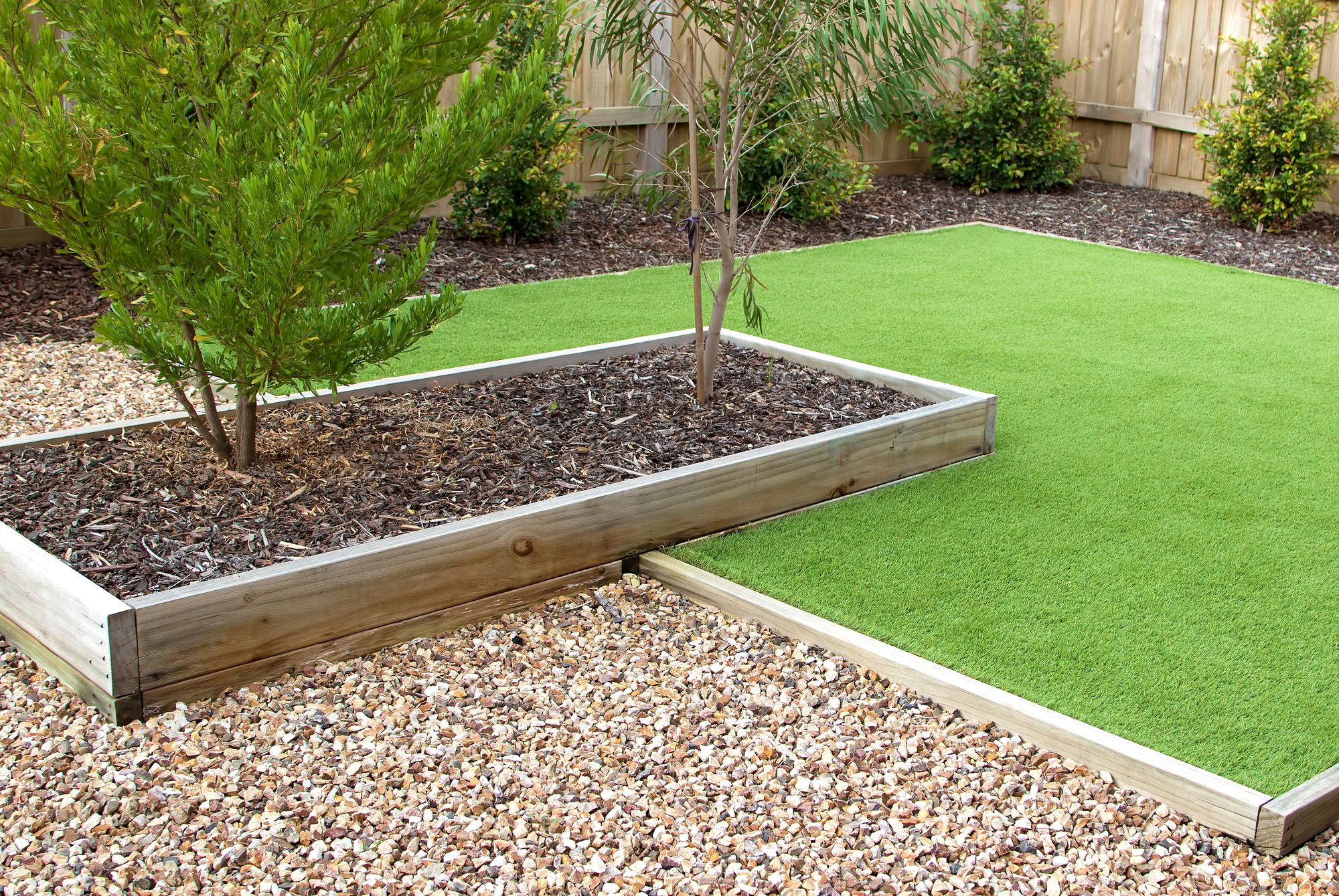
Synthetic grass holds its own, but it still needs some TLC every so often.
Nothing too involved or major, just little things here and there. If you don’t, certain spots sit flatter, bits start collecting, edges lose their line, and the surface feels weird.
The ones that last longer don’t get overly pampered – they just don’t get left all alone. These five small habits keep synthetic grass sitting, feeling, and looking the way it should.
1. Start With The Areas You Use Most
You’ll see it in the same places every time. Walkways, corners, and anywhere people tend to stand. The fibres sit flatter there first. If you just leave it like that, those areas start standing out.
Catch it early, and you can blend it back in. A quick lift is usually enough to bring it back before it looks worn.
2. Debris Doesn’t Stay On Top
Leaves, animal fur, and small bits don’t just sit there. They get worked in with time.
That’s when the surface starts feeling less clean and looks a little lacklustre. Sweep and clear it once or twice a week to keep everything open and keep a clutter-free backyard space.
If you ignore the problem when it’s small, it will rapidly turn into a much bigger job that you will never feel like doing.
3. Installation Really Matters

Most artificial turf issues don’t start on the surface. They start underneath.
Poor prep, uneven base, or shortcuts that aren’t immediately visible are a major problem. That’s what shows up later and ruins everything.
That’s why going with a proper synthetic turf company from the start matters. It saves you from having to circle back and fix what should have been solid from day one.
When the base and foundation are right, everything above it just holds and looks better for longer.
4. Have a Heat Plan
In places like Texas, you feel it in the same spots first. The fibres sit differently; the surface feels a bit bad – nothing overly obvious, just enough to notice.
Give the hottest spots a break, or cool them down when needed. That will help keep everything looking more even.
If you do nothing, those are the spots that will start looking worse for wear and feel different under foot.
5. Use It Properly

This may sound obvious, but how the synthetic grass is used shows up over time.
Dragging outdoor furniture, sharp edges, and repeated pressure in one spot – that’s what wears it down. Being a bit more aware of how things move across it keeps the surface more even.
Nothing wildly dramatic, just enough to stop the same areas from taking all the strain.
Final Thoughts
Synthetic grass holds up when nothing gets the chance to settle in, wear down, or shift too far. Stay ahead of the small things, and that will prevent the big things.
Lift it when it flattens, clear what shouldn’t be there, and keep an eye on the areas that take the most use. When the basics are handled, the grass holds its look far longer without turning into something that needs major repairs.
0
Related
Read the full article here