


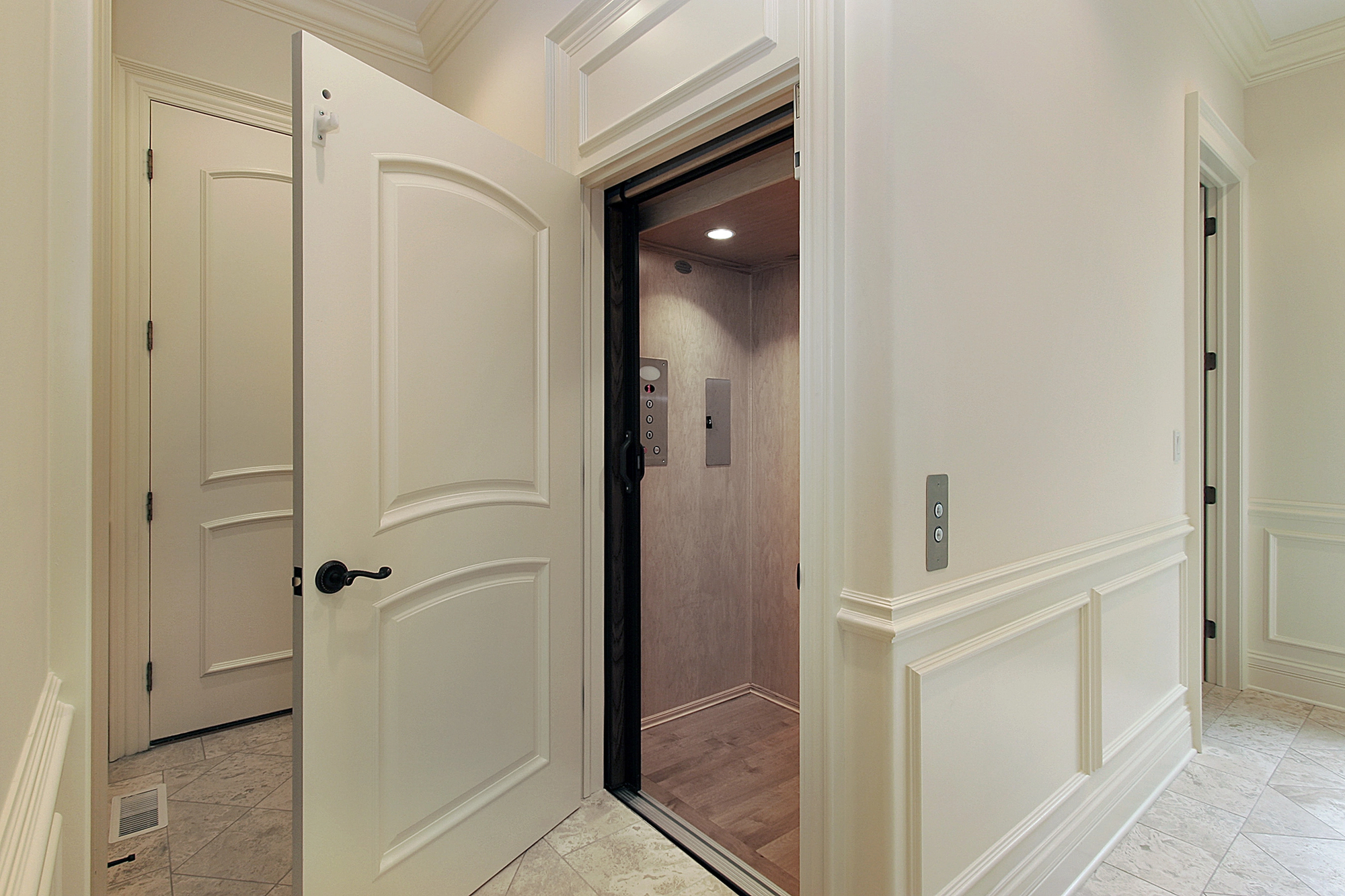
Elevators are no longer reserved for towering skyscrapers or sprawling commercial complexes. As urban areas densify and living spaces shrink, architects and builders are embracing innovative elevator designs that fit gracefully into compact buildings while delivering functionality, accessibility, and aesthetic appeal. Thoughtful elevator integration can transform a small building into a more efficient and comfortable space for residents, visitors, and users of all abilities.
Why Smart Elevator Integration Matters in Small Buildings
In small structures, every square foot counts. Traditional elevator systems often require extensive shafts, machine rooms, and mechanical space that can eat into valuable living or working areas. Modern elevators, however, utilize optimized elevator components to reduce space needs while maintaining safety and smooth operation.
Today’s compact elevators include machine-room-less (MRL) systems that eliminate bulky machinery rooms by integrating drive systems within the shaft itself. This approach significantly reduces the required building footprint while maintaining quiet and efficient operation. Another option is shaftless or vacuum elevators, which do not require a full vertical shaft and are ideal for two-story homes or duplex units. These solutions are especially useful in retrofit projects where structural changes are minimized.
Key Benefits of Compact Elevator Integration
1. Enhanced Accessibility
In residential buildings and mixed-use developments, elevators help users of all ages and abilities navigate floors easily. Modern designs ensure smooth operation even in compact installations.
2. Space Optimization
Compared to traditional systems, space-efficient elevator designs make better use of vertical space while preserving valuable floor area. Much of this is thanks to machine-room-less technology that integrates drive systems, counterweights, and control mechanisms within a slim shaft.
3. Increased Property Value
Adding an elevator can elevate a property’s value by enhancing convenience and broadening its market appeal. In compact condos or townhomes, well-designed elevators make a property more attractive to buyers.
4. Improved User Experience
Contemporary elevator cabins are designed to feel open and inviting. Options like glass walls or panoramic views make even a small elevator feel spacious and bright. Thoughtful placement and design contribute to a comfortable ride while minimizing vibration and noise.
Smart Site Planning for Compact Elevators

Successful integration begins at the planning stage. Designers have several strategies to ensure an elevator fits seamlessly into a small building:
Corner Placement
Placing an elevator in an unused corner or beside a staircase can maximize circulation areas without sacrificing central space. Compact designs allow elevators to coexist with stairways or hallways without protruding into living areas.
Retrofitting Stairwells
In existing buildings without elevators, retrofit systems can be built into or around stairwells. Proper planning ensures the installation is safe, reliable, and minimally invasive.
Compact Footprints
Some small elevators occupy footprints as small as one square meter, making them feasible even in constrained spaces.
Choosing the Right Elevator Technology
Selecting the best system depends on building design, budget, and desired performance. Popular compact elevator types include:
Machine-Room-Less (MRL) Elevators
MRL units place machinery inside the elevator shaft rather than a separate room. This reduces both cost and footprint while offering energy efficiency.
Hydraulic Compact Elevators
Hydraulic lifts with slim designs allow a smooth ride and can be installed with minimal structural changes.
Glass and Panoramic Lifts
Glass cabins visually expand interiors and let in natural light. These lifts can also serve as a stylish feature element in small spaces.
Installation Tips for Compact Spaces
When installing an elevator in a compact space, early collaboration with architects and engineers is essential. Involving them from the planning stage allows the lift to be properly integrated into the building layout, avoiding awkward compromises or costly revisions later on. Careful coordination helps ensure the elevator fits seamlessly within structural constraints while still delivering the required performance.
It’s also vital to plan for local building codes and long-term use. Compact elevators must meet safety and accessibility regulations, and addressing these requirements early helps prevent delays or redesigns. Choosing models with modular components or smart control systems can also future-proof smaller buildings, allowing for upgrades and improved efficiency as technology continues to evolve.
Final Thoughts
Integrating elevators into compact buildings is about maximizing usability without crowding living areas. Thoughtful planning, smart technology selection, and innovative design can transform small spaces into efficient, accessible, and desirable environments.Elevators today are flexible enough to suit a range of applications, from narrow townhouses to multi-story boutique residences. By embracing compact systems with intelligently designed elevator components, property owners unlock vertical mobility that complements modern urban living.
0
Related
Read the full article here