



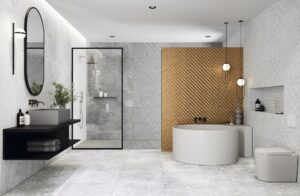


The bathroom is one of the key rooms in the home. This is a busy space that can require a lot of upkeep to keep everything in working order. But it’s easy to focus on fixing a leaky tap and overlook how its layout might hold us back as the years pass.
You might design a space for a young family today, but your needs will shift as children grow or your own mobility changes. If your house is your forever home, it might be time to consider how your bathroom balances beautiful design with long-term utility.
Why future-proof bathroom design matters
More people across the UK now want homes that allow them to remain independent for longer. In response to this, the UK government has announced that at least 40% of new homes should be accessible and adaptable.
While new homes are being built with the future in mind, it’s possible to create your own future-proofed space. Forward-thinking bathroom design focuses on making smart decisions early so the space can be adapted later.
Instead of carrying out major renovations every few years, you build flexibility into the structure of the room from the beginning. Reinforced walls, for example, allow grab rails to be installed later without major building work.
This approach also protects your investment. Bathrooms involve high cost and disruption, so a layout that remains functional for many years saves time and money.
Layout choices that support changing needs


Your choice of floor plan dictates how successfully you navigate the room as your physical needs evolve. Maintaining a clear floor space ensures the area remains accessible for everyone.
Introducing walk-in showers removes the trip hazard of a high-sided bath. This addition creates a seamless transition across the room. Also, consider installing blocking behind your tiles. This involves placing timber supports inside the walls so you can easily bolt on stylish grab rails in the future without damaging the structure.
Balancing accessibility with everyday comfort


Inclusive design blends practical details with stylish elements. To achieve this, choose slip-resistant porcelain tiles that provide grip while looking sleek and stylish. Layered lighting is also important, as high-contrast task lighting helps those with declining vision, while dimmable bulbs can help you relax.
Wall-hung vanities free up space and allow you to adjust the mounting height to suit your specific ergonomic needs.
Understanding UK guidance and standards
When you renovate, you must follow specific UK building regulations, particularly Part M, which covers access to and use of buildings. These standards dictate door widths and switch positions to ensure everyone uses the facilities regardless of physical ability.
Following these guidelines means that your renovation meets legal safety requirements while making your home attractive to a wider range of future buyers. Architects use these standards as a baseline to ensure every resident experiences dignity and ease within their private spaces.
By looking ahead and carefully planning your bathroom design, you create a practical, enduring space that suits you and your family for years to come.
0
Related
Read the full article here


