


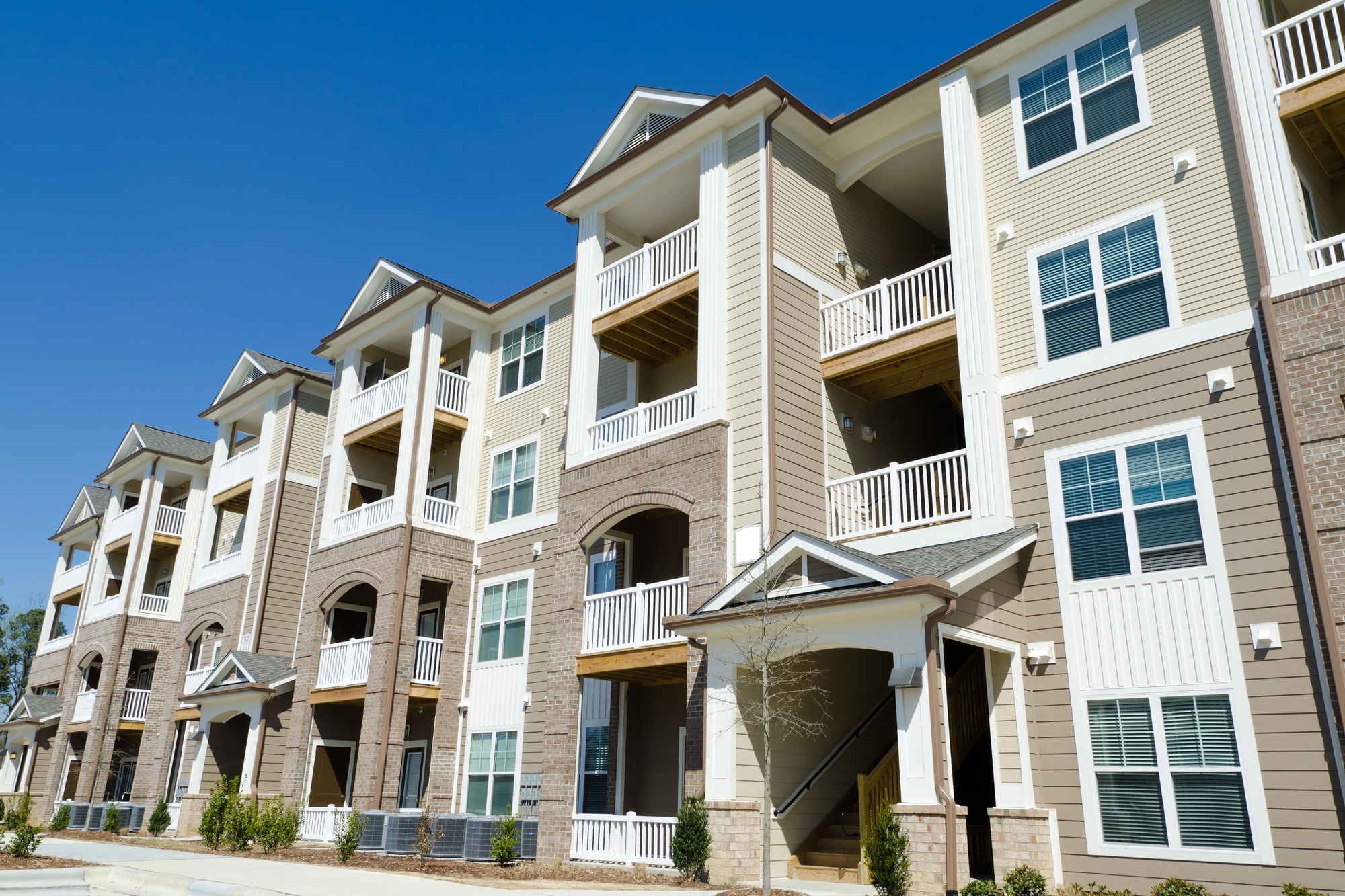
Fire safety isn’t just about detection – it’s also about containment and safe evacuation. In modern UK buildings, systems such as internal fire doors, door guards, and alarms play a crucial role in slowing the spread of fire and smoke while giving occupants time to escape.
This article explains how these elements function together and why they remain essential in 2026.
Why Are Internal Fire Doors So Important?
Fire doors are designed to compartmentalise buildings, preventing fire and smoke from spreading rapidly.
What Are FD30 and FD60 Fire Doors?
- FD30 fire doors provide 30 minutes of fire resistance
- FD60 fire doors provide 60 minutes of fire resistance
These doors are tested to withstand heat and flames while maintaining structural integrity.
Explore certified internal fire doors here.
Where Are Fire Doors Required?
Fire doors are commonly required in apartment buildings, blocks of flats and new homes. They are especially important along escape routes and between high-risk areas.
What Are Door Guards and Why Are They Used?
A common issue in many buildings is fire doors being wedged open, which undermines their effectiveness. Door guards solve this problem by holding doors open safely.
How Do Door Guards Improve Safety?
Door guards:
- Keep fire doors open for accessibility
- Automatically release doors when an alarm sounds
- Improve airflow and ease of movement
- Support fire safety compliance
Discover door guards designed for fire doors here:
Are Door Guards Suitable for All Buildings?
Door guards are widely used in commercial and public buildngs. They provide a balance between everyday usability and emergency safety.
How Do Smoke Alarms Support Fire Doors and Door Guards?

Smoke alarms act as the trigger point for many fire protection systems. When smoke is detected, alarms alert occupants and activate safety mechanisms.
Why Are Interlinked Smoke Alarms Effective?
- Alerts are triggered throughout the building
- Door guards release fire doors automatically
- Occupants receive early warning
Mains-powered smoke alarms are commonly used in larger properties for consistent coverage:
How Does This Integrated Approach Improve Evacuation?
When combined:
- Smoke alarms detect danger early
- Door guards release doors immediately
- Fire doors slow fire and smoke spread
This layered approach gives occupants more time to evacuate safely and reduces damage.
What Are the Legal Responsibilities for Fire Doors and Alarms?
Under UK fire safety legislation, responsible persons must:
- Ensure fire doors are properly installed and maintained
- Prevent fire doors from being wedged open
- Maintain compliant alarm systems
Failure to do so can result in enforcement action and increased risk.
What Should Building Managers Review in 2026?
Key review points include:
- Fire door condition and certification
- Correct placement of door guards
- Alarm coverage and interlinking
- Regular testing and inspections
Proactive management is essential for compliance and safety.
Final Thoughts: Why Integrated Fire Protection Matters
In 2026, effective fire safety depends on systems working together, not in isolation. Internal fire doors contain fires, door guards ensure doors are used correctly, and smoke alarms provide the early warning needed to protect lives.
For UK buildings, this integrated approach delivers safer environments, improved compliance, and greater peace of mind.
0
Related
Read the full article here