


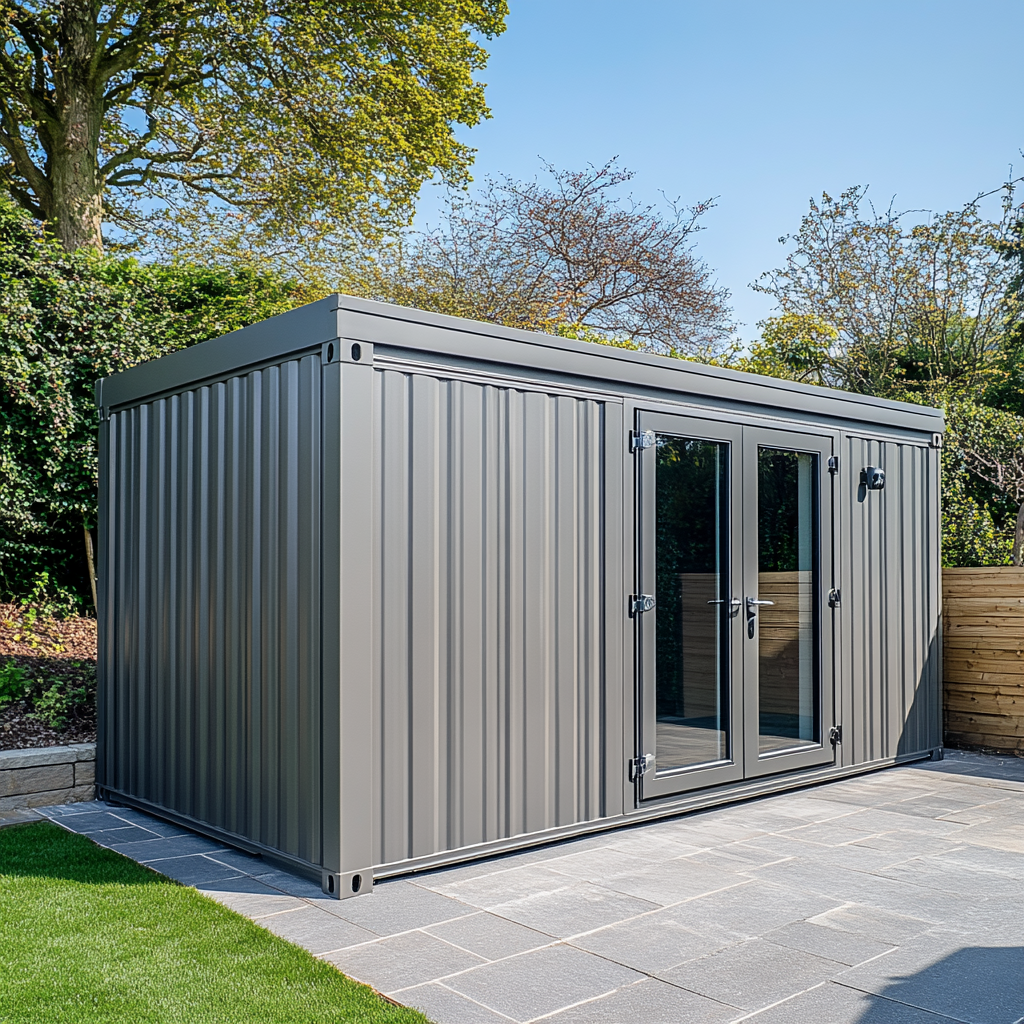
A steel utility building is one of the most practical and cost-effective structures a property owner can invest in. Whether used for storage, workshops, equipment housing, hobby spaces, or small business operations, a steel building offers unmatched flexibility and long-term value. The challenge for many homeowners and small business owners is achieving this versatility without overspending. Thanks to efficient engineering and customizable design options from companies like US Patriot Steel, it’s entirely possible to build a multi-purpose steel utility structure that meets several needs while staying within a manageable budget.
Below are the key strategies for creating a functional, flexible steel utility building without unnecessary costs.
Start With a Clear Plan for Multi-Use Functionality
The first step to building on a budget is knowing exactly how the space will be used. A steel utility building can serve as a workshop, equipment shed, storage area, small office, vehicle garage, or livestock shelter, but not all purposes require the same features.
Before ordering a building, outline the primary and secondary uses:
- Do you need climate control?
- Will heavy equipment be stored inside?
- Is a workshop section necessary?
- Should future expansion be considered?
Planning ahead prevents costly modifications later. Steel structures are incredibly flexible, but adding doors, height, insulation, or new sections after construction is always more expensive than including them upfront.
Choose the Right Size, Not the Biggest Size
One of the most common budget mistakes is overbuilding. Steel buildings scale in cost with width, height, and length. A slight increase in size can dramatically impact both materials and engineering requirements.
Instead of choosing the largest possible footprint, select the smallest size that comfortably meets your needs. Prioritize organizational features, such as shelving, vertical storage, or lean-to additions, before increasing overall square footage. Many owners are surprised by how efficient a thoughtfully planned steel building can be, even at a modest size.
Use a Simple Roof Style and Standard Dimensions

Customizations add cost quickly. To stay on budget, focus on features that increase function rather than aesthetics.
The most budget-friendly choices include:
- Regular or A-frame roof styles instead of complex rooflines
- Standard leg and wall heights unless taller clearance is required
- Rectangular layouts rather than irregular shapes
Steel buildings become more expensive when designs deviate from standard engineering templates. If your goal is multi-purpose affordability, keep the structure simple and let interior organization do the heavy lifting.
Add Multi-Use Features That Maximize Value
A steel utility building can serve several purposes at once when designed strategically. Consider features such as:
- Double doors or a large roll-up door for equipment access
- A small enclosed room for an office, tool storage, or climate-controlled space
- A lean-to extension for low-cost additional covered space
- Clear-span interior for maximum layout flexibility
These upgrades improve usability without inflating the budget dramatically. Lean-tos are particularly efficient as they provide shaded storage or workspace at a fraction of the cost of expanding the main structure.
Insulate Only the Areas That Truly Need It
Insulation is a major cost variable. Rather than insulating the entire building, focus only on areas that require temperature control.
For example:
- Insulate the workshop section
- Leave tractor or equipment bays uninsulated
- Add radiant barriers to reduce heat gain without full insulation coverage
Targeted insulation creates a comfortable workspace while keeping budget impact low.
Prepare the Site Efficiently to Avoid Hidden Costs

Site preparation can significantly influence the overall price. Budget-friendly tips include:
- Choosing a location with natural drainage
- Keeping the pad level small and simple
- Avoiding unnecessary excavation
- Using gravel instead of full concrete if the building’s purpose allows
A solid foundation doesn’t have to be expensive, as long as it is properly prepared for the load of a steel structure.
Plan for Future Expansion
One of the biggest advantages of steel buildings is their expandability. If you anticipate future needs – a larger workshop, more storage, or an added bay – plan for it now, even if you don’t build it yet.
Simple design decisions like placing doors on nonexpanding sides or keeping end walls clear make future additions affordable and easy.
Conclusion
Building a multi-purpose steel utility building on a budget is not only possible—it’s one of the smartest investments a property owner can make. By planning ahead, choosing cost-efficient design features, and focusing on flexible functionality, you can create a building that meets several needs without financial strain. With the strength, durability, and adaptability of steel, your utility building becomes a long-term asset capable of growing and evolving with your goals.
0
Related
Read the full article here