


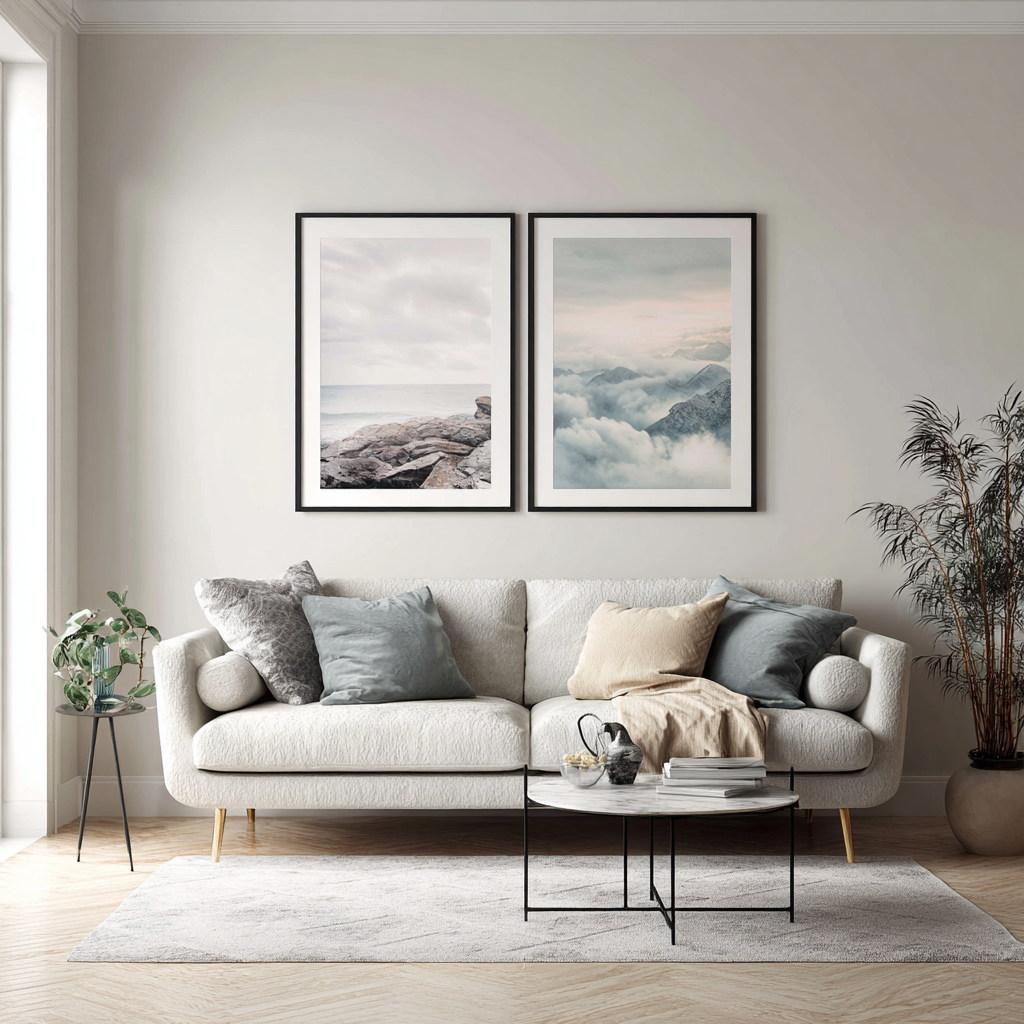
When you love the idea of having a really calming home, it’s something that you need to be very proactive with. It’s never going to just fall into place. Instead, you need to be intentional and to curate the overall feel. This works in two ways, both with the design and the intentions that you’re setting. Let’s take a look.
1. Set The Tone
Before you think about décor or layout, it helps to remember that the atmosphere of your home often starts with you. If you’re aiming for a calm, soothing environment but find yourself rushing, snapping or carrying tension around with you, the space will naturally pick up on that energy. It’s not about being perfect or serene all the time, it’s about being mindful of the tone you bring into the rooms you live in. When you pause, breathe and respond rather than react, you create a ripple effect that gently influences everyone else in the household. This internal shift isn’t something you can buy or decorate your way into, but it’s one of the most powerful foundations for creating a genuinely peaceful home.
2. Keep Everything Organized
Now, from a practical perspective, it’s important to make sure that everything stays organised. If your home is messy, things are all over the place and it’s crowded, this isn’t going to feel calm. It’s only ever going to add to the level of stress you feel. Instead, you need to make sure that everything has its place and can be put away. Bringing in the right storage solutions and putting things out in storage units when you run out of space in the home is key here. When your home feels clearer and more organised, it will always feel calmer.
3. Use Calming Colours

It also helps to be mindful of the colours you surround yourself with. Bold, vibrant shades can lift the energy of a space, but if your goal is calm, gentler tones tend to work far better. Soft neutrals, muted hues and understated palettes have a way of settling the eye and creating a quieter backdrop for daily life. Think warm whites, earthy beiges, soft greens or dusky blues – colours that don’t shout for attention but quietly support the mood you’re trying to create. Layering these tones across your walls, textiles and accessories can bring a lovely sense of harmony, making each room feel more restful the moment you walk in.
4. Have Boundaries
At the same time, when you want to really curate that feeling of calm, it’s important that you have boundaries. It’s not just about the way that you design the house, it’s also about how you live in it. Having set rooms for set activities and ensuring that everybody in the house knows when it’s quiet time and when it’s time to wind down for the evening can also help you to create calm in the household.
5. Enhance The Atmosphere

It’s also worth thinking about the atmosphere you’re creating day-to-day. A calm home isn’t only about how it looks or how everyone uses the space — it’s the blend of the two that really shapes the mood. When the atmosphere feels soothing, it naturally encourages everyone to settle, breathe and slow down a little. Gentle lighting, soft background music and subtle scents can all work together to shift the energy of a room. With a few thoughtful choices, you can create an environment that feels peaceful the moment you step inside.
6. Bring Nature Indoors
One of the simplest ways to make your home feel instantly calmer is to bring in a touch of nature. Plants, natural textures, and organic materials have a grounding effect that softens the atmosphere without you having to do very much at all. A leafy plant in the corner of a room, a vase of seasonal branches, or even a woven basket by the sofa can create a quiet visual cue that encourages you to slow down. Nature has a way of reminding us to breathe, and even small nods to the outdoors can shift the energy of a space.
7. Create Small Rituals

Calm isn’t only about how a home looks; it often comes from the tiny routines that help you feel anchored. Think about the rituals that soothe you: lighting a candle before you sit down to read, putting on a warm lamp instead of the overhead lights, taking five minutes to tidy the kitchen before bed. These small habits can act as gentle bookends to your day, easing you through moments that might otherwise feel chaotic. When you build rituals that feel grounding, the home naturally begins to take on that same steadiness.
8. Prioritise Comfort
A calm home is, above all else, a comfortable one. This doesn’t mean you need to fill every corner with cushions, but it does mean tuning into what genuinely makes you feel at ease. A soft throw on the end of the bed, a cosy armchair that invites you to sit down for a moment, or even swapping out scratchy fabrics for something softer can make a surprising difference. Comfort is deeply personal, and when your home supports your senses rather than overwhelms them, it becomes much easier to unwind.
9. Reduce Visual Noise

Sometimes a space can be tidy yet still feel busy. That’s where reducing visual noise comes in. Too many patterns, clashing colours or overly decorated surfaces can create a subtle sense of tension. Streamlining what’s on display – whether that’s clearing your countertops, simplifying your shelves, or choosing décor with a more understated feel – can bring an almost immediate feeling of clarity. When the eye has room to rest, the mind tends to follow.
10. Make Space For Stillness
Finally, it’s worth thinking about where, in your home, you can simply pause. A quiet corner with a comfortable chair, a soft blanket and a warm lamp can become a little sanctuary you retreat to when life gets loud. This doesn’t have to be a grand reading nook or a perfectly curated moment; it’s more about giving yourself permission to have a pocket of stillness in your day. When you carve out that space, the rest of the home starts to feel calmer because you’ve built the habit of slowing down within it.
0
Related
Read the full article here