








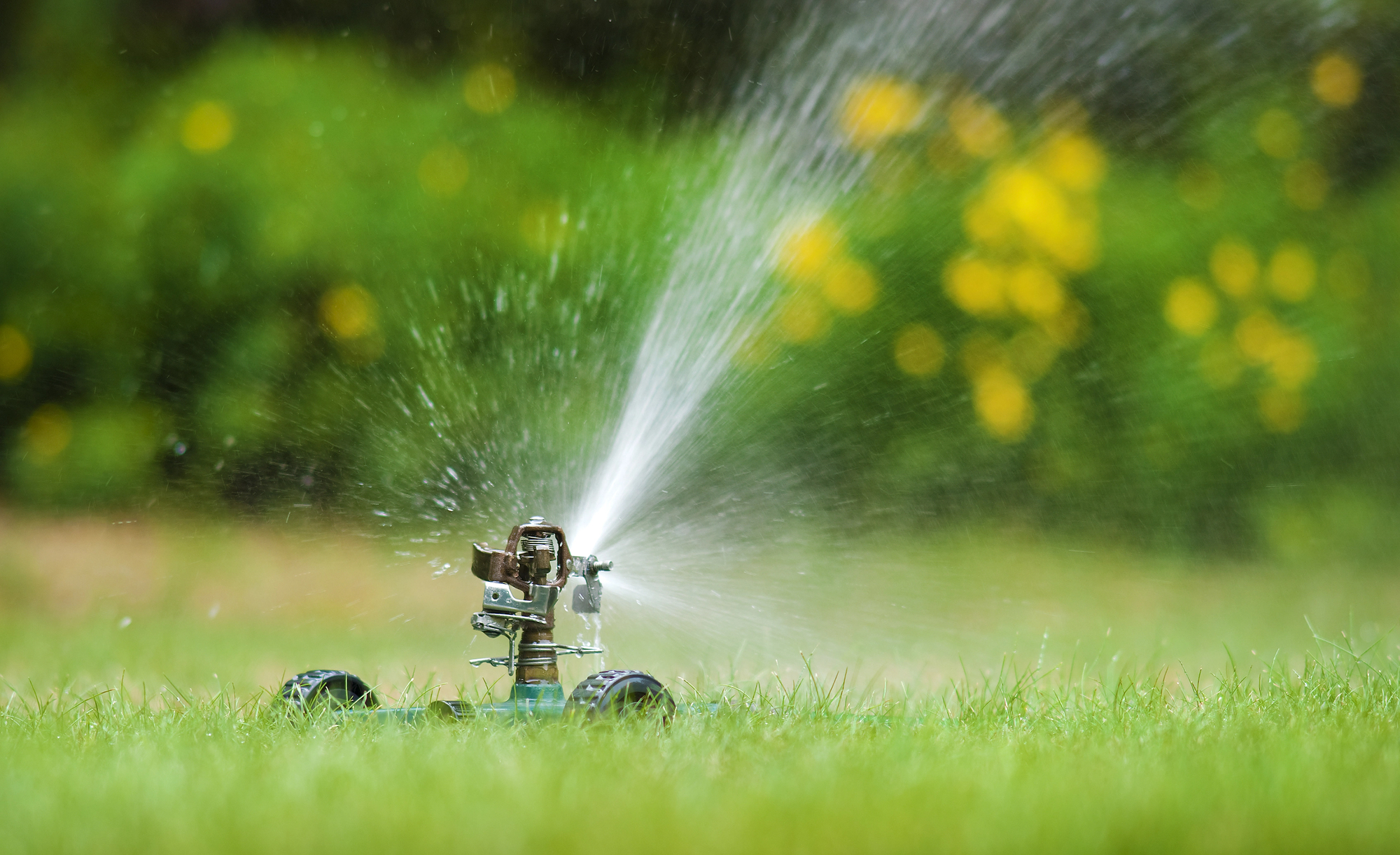
When it comes to irrigation, it’s easy to assume that if water is spraying somewhere in the general direction of the lawn, the job is done. A handful of sprinkler heads, a timer tucked away in the garage, and a weekly schedule can feel like a perfectly reasonable setup. For straightforward plots with flat lawns and minimal planting, that might well be enough.
But not every property is straightforward. Sloping ground, shaded pockets, thirsty borders, newly planted trees, or a mix of turf and decorative beds all place very different demands on a watering system. What works for a simple rectangular lawn can quickly fall short when your outdoor space has layers, levels, and varied planting schemes. In those cases, relying on basic coverage doesn’t just underperform, it can lead to dry patches, water waste, stressed plants, and ongoing frustration.
If Your Current System Cannot Keep up, How do You Know?
Dead spots are usually the first indication something’s amiss. You know what dead spots are, the areas that remain brown, no matter how often the sprinklers go. They sit on the edge of gardens where not enough spray reaches, or they’re located in odd corners where the system can’t get there. Then, in stark contrast, areas become so wet that they’re mud holes even weeks after it hasn’t rained. They soak anything planted there as the water gathers instead of dissipating.
Slopes also create complications. Water flows better downhill than it does seeping into the earth, so the top of a slope remains dry while the bottom becomes a swamp. A flat yard with decent earth may get away with basic coverage, but once elevation occurs, standard spray heads simply can’t make it work.
Diversity in plants create further complications. If the yard is all grass, great, everything requires similar watering patterns. But once vegetable gardens, flower beds, bushes, and trees enter the fray, certain areas will need more water while other areas will need less, forcing those regions into additional zones instead of everyone getting what they need and avoid simultaneously.
Terrain and other features exacerbate the natural tendency to need better systems. Huge trees create major complications for watering. Those vast root systems suck up moisture near and far for grass, and the canopy blocks rain and any potential sprinkler coverage. Generally shaded areas need less water than direct sun, but basic systems treat both areas the same.
Hardscaping eliminates other options, too. Patios, sidewalks, driveway, they obstruct what’s meant to be watered easily. Water hits concrete and either runs off into areas that don’t need it or fails to reach anything beyond the landscaping just behind it since landscaping has traditionally been designed to accommodate wide-open lawns.
Narrow side yards and oddly shaped sections create their own obstacles. Standard rotary heads throw water in wide arcs, great for open rectangles, but waste so much in strips, corners, and unique areas that need specialized coverage that basic systems don’t provide.
What do More Advanced Systems do?


Drip irrigation does so much better for specific planting areas than regular spray heads. Lines run directly to trees or bushes to get to the base and slowly feed water from there without most running off or evaporating before reaching critical roots. Garden beds, shrub and tree borders do so much better with this approach, and if they’re wedged between lawn areas that require something different, that’s even better.
Smart controls do more good than it’s worth. These adjust watering patterns based on weather conditions, soil moisture, and time of year, all without constant fiddling from whoever’s responsible for turning on and off the basic systems. Properties with unique landscaping or problematic areas have automatic adjustment to prevent drought stress or overwatering damage while basic systems continue as-is under the assumption they can accommodate anyone without adjustments.
Zone modifications become imperative when some areas really differentiate themselves from others over time. When working with professional irrigation companies, these zones create differentiation based on sun exposure (or lack thereof), drainage possibilities, what’s in need of special care , not just what’s easiest to install with existing plumbing patterns like an easy trapezoid designation would allow basics to work best.
Understanding basic systems’ costs can be ideal but these costs are lower initially than long term. Standard systems operate at a lower cost as they’re installed but ongoing costs tell another story. Each season replacing dead plants that should have survived; dealing with soggy sections that become mosquito-breeding grounds; running the system twice as long to accommodate poor coverage efforts, it costs money over time and expectations to balance what once seemed like a good idea when planted.
In addition, water waste becomes a monthly bill issue because systems that cannot adequately get water where it needs to go operate for much longer, attempting once again to compensate for its shortcomings, but ultimately fail in doing so. At least 30-40% of properties with slopes or uniquely planted or odd layouts waste their water, both physically and monetarily, because the distribution relies too much on runoff.
The problem is good luck upgrading later it’ll cost more than doing it right when first installed. Adding zones; installing drip lines; integrating smart controls into a system already established requires more trenching efforts through existing growth plus extra piping and movement components that would never be necessary on new installs or before problems emerged in the first place.
When it’s Time to Make the Decision?
Properties that need decent coverage usually show signs across multiple relevant areas; it’s not just one spot that’s brown or one corner that’s slightly damp, if there’s several signs of concern that come back even after time adjustments in run time and attempts at different schedules, then the system genuinely cannot handle what your property needs, even if others can survive with similar situations.
Furthermore, if your property is larger and more complex than average (quarter of an acre versus over two acres with gardens, slopes, mature trees and extensive planting), the more likely it is that it will struggle without quality separation or specialized improvements like those only advanced systems will provide to keep everything as it should be instead of continuously solving problems season after season for what’s not working out best in your favor.
Most homeowners will know when their basic setup isn’t cutting it if they’ve found themselves constantly tinkering with schedules for this plant needing more sun only to find this plant rejected nearby or time adjustments to accommodate fluff only for something else still failing no matter what, for if you’re constantly replacing what’s expected to thrive while others coast along without corrections, chances are you need advanced coverage options designed to solve problems instead of managing them.
Final Thoughts
A sprinkler system should make life easier, not create another task to manage. If you’re constantly adjusting timers, battling dry patches in one area and soggy spots in another, it’s usually a sign the system isn’t suited to your property’s layout. Gardens evolve, and what worked for a simple lawn often struggles once slopes, mature trees, borders and mixed planting come into play.
Upgrading to a more tailored setup, whether through additional zones, drip irrigation or smart controls, is less about luxury and more about long-term efficiency. It protects your plants, reduces water waste and brings balance back to the whole space. When the system is designed around your landscape rather than forcing the landscape to adapt to the system, everything simply works better.
0
Related
Read the full article here


