


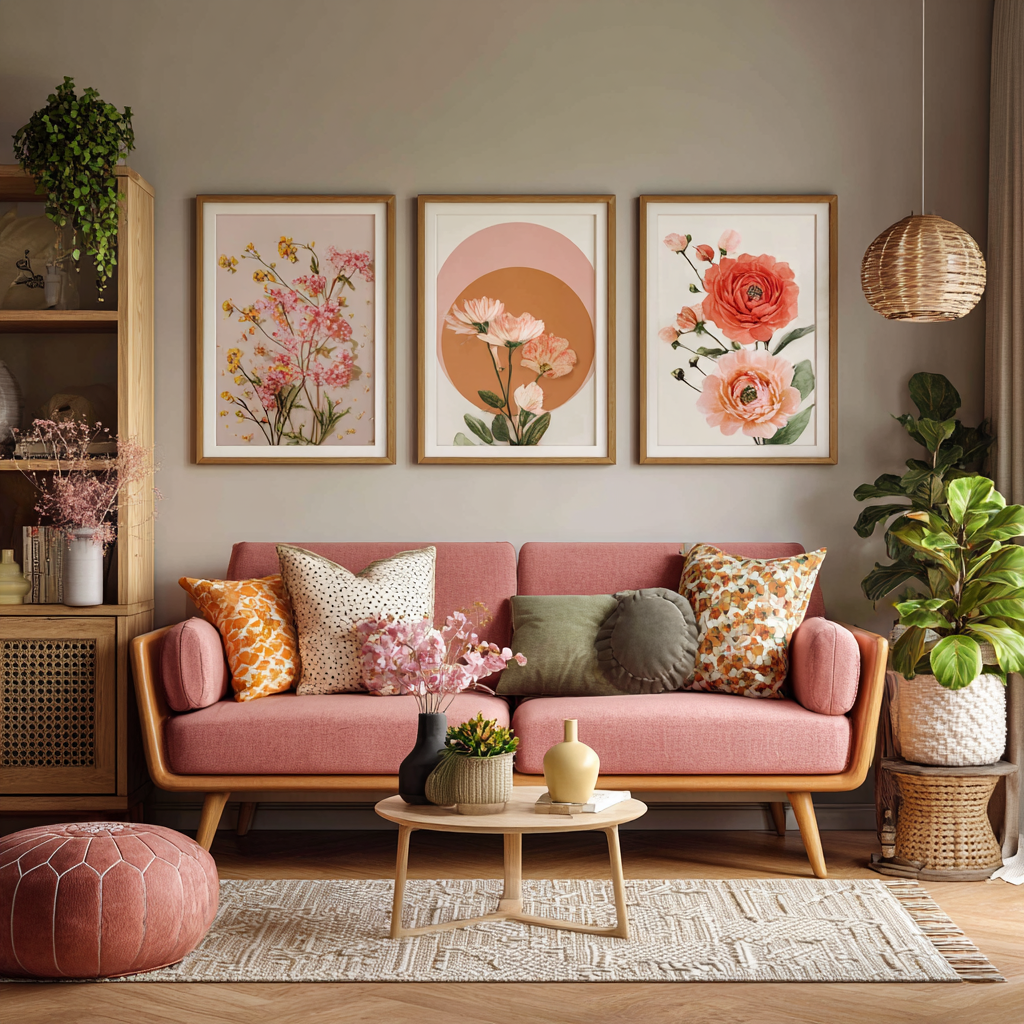
Buying a sofa sounds simple enough. You walk into a shop, sit down on a few options, pick one you like and have it delivered. In reality, the decision tends to be a little more complicated. A sofa is often the largest piece of furniture in a living room, and it gets used every single day. It needs to look good, feel comfortable, work with your space, and hold up to the realities of everyday life.
Sofas are also a significant investment, so making the wrong choice can be frustrating and expensive. A sofa that looks perfect in the showroom might feel too firm after a few weeks, overwhelm a small living room, or show every mark if you have pets or children. Asking the right questions before you buy helps avoid these problems and ensures the sofa you choose works well for your home and your lifestyle.
Here are the most important questions to ask and think through before committing to a new sofa. There are some questions to ask yourself, and others that you’d benefit from asking as you view a couch online or in a sofa showroom.
How Will the Sofa Be Used?
The first thing to consider is how the sofa will actually be used in your home. This might seem obvious, but people often buy based on appearance rather than real-life use.
In some homes, the sofa is mainly for relaxing in the evening while watching television. In others, it might be where guests sit when visiting, where children climb and play, or where someone occasionally naps.
A sofa used for everyday lounging usually benefits from deeper seats and softer cushions. On the other hand, if you tend to entertain guests frequently, a slightly firmer sofa with more upright seating can make conversation more comfortable.
If the sofa will double as a sleeping space for visitors, it may be worth considering a sofa bed or a deeper design that can comfortably accommodate someone lying down.
Being honest about how the sofa will be used helps narrow down the options and ensures the final choice fits your lifestyle.
What Type of Sofa Shape Works Best?
Sofas come in many different shapes, and the right one depends on both the size of the room and how you use the space.
Two or three-seater luxury sofas work well in smaller rooms or where you want a standard layout. Larger living rooms may benefit from a sectional or corner sofa, which provides more seating and helps define the seating area.
L-shaped sofas are especially popular in open-plan homes because they create a natural zone for relaxing without needing multiple pieces of furniture.
U-shaped sectionals can be ideal for families who want plenty of seating for movie nights or gatherings. However, they require a large room to avoid feeling overwhelming.
If flexibility is important, modular sofas allow you to rearrange the layout over time as your needs change.
Choosing the right shape ensures the sofa supports the way your living space is used.
Will the Sofa Fit the Room Properly?

One of the most common mistakes people make when buying a sofa is choosing something that is either too large or too small for the space.
Before you start browsing, measure the room carefully. Think about the overall layout and how the sofa will interact with other furniture. You need to consider walking space, doorways, coffee tables, and any additional seating.
It can help to mark out the sofa’s dimensions on the floor using masking tape. This simple trick allows you to see exactly how much space it will take up and whether it will leave enough room to move comfortably around the area.
Large sofas can look wonderful in open-plan spaces, but in smaller rooms they can quickly dominate the layout and make the area feel cramped. On the other hand, a sofa that is too small may look lost and fail to provide enough seating.
Getting the proportions right makes a huge difference to how balanced the room feels.
Is the Seat Depth Comfortable?
Seat depth is one of the most important factors in sofa comfort, yet it is often overlooked.
Deep sofas can feel luxurious and relaxed, making them perfect for stretching out. However, they may not be comfortable for everyone, particularly if you prefer to sit upright with your feet on the floor.
Shallower sofas offer more structured support and can make it easier to sit and stand up, which may be important for older family members or anyone with mobility concerns.
The best approach is to try the sofa in person whenever possible. Sit normally, lean back, and spend a few minutes testing how it feels. A sofa should support your back while allowing you to sit naturally without needing extra cushions.
Comfort is highly personal, so taking the time to test different seat depths can help you find the right balance.
What Type of Cushion Filling Do You Prefer?

Sofa cushions come with a variety of fillings, and each option affects the feel, maintenance, and durability of the sofa.
Foam cushions are firm and structured, holding their shape well over time. They are a popular choice for modern sofas because they require minimal maintenance.
Feather-filled cushions offer a softer, more relaxed feel. They tend to look slightly rumpled, which suits casual interiors. However, they need regular plumping to maintain their shape.
Fibre-filled cushions fall somewhere in between. They provide softness without quite as much maintenance as feathers, though they may flatten slightly over time.
Some high-end sofas combine foam cores with feather or fibre wraps, creating a balance of structure and softness.
Understanding the differences between these fillings can help you choose a sofa that matches both your comfort preferences and your tolerance for maintenance.
How Durable Is the Upholstery Fabric?
The upholstery fabric you choose will have a big impact on how well the sofa performs over time.
Homes with children or pets usually benefit from durable, stain-resistant fabrics that can handle frequent use. Performance fabrics, tightly woven materials, and darker colours often work well in busy households.
Natural fabrics such as linen and cotton offer a beautiful, relaxed look but may show marks more easily. Leather, meanwhile, is durable and easy to wipe clean, though it can develop a worn appearance over time.
It is also worth checking the fabric’s abrasion rating, often measured using a Martindale score. Higher scores generally indicate greater durability, which is particularly useful in high-traffic areas.
The right fabric should balance style with practicality so that the sofa remains attractive even after years of use.
Does the Frame Feel Solid?

While upholstery and cushions tend to attract the most attention, the frame is actually the foundation of the sofa.
A good quality frame should feel solid and sturdy, without creaking or flexing when you sit down. Hardwood frames, particularly those made from kiln-dried wood, are widely considered the most durable option.
Cheaper sofas sometimes use particleboard or softwood frames, which may not hold up as well over time.
It can also be helpful to check how the joints are constructed. Frames that are glued, dowelled, and screwed together generally last longer than those held together with staples alone.
Although the frame is hidden beneath the upholstery, it plays a major role in determining how long the sofa will last.
Will It Fit Through the Door?
This is a question many people forget to ask until it is too late.
A sofa that fits perfectly in your living room still needs to make its way into the house first. That means measuring doorways, hallways, staircases, and tight corners before placing an order.
Delivery teams are experienced at manoeuvring furniture, but extremely large or rigid sofa frames can still be difficult to get through narrow spaces.
Some manufacturers offer modular sofas or designs with removable legs and arms, which can make delivery much easier. Flat-pack or sectional options are particularly useful in flats or properties with narrow staircases.
Taking a few minutes to check access routes can save a great deal of stress on delivery day.
How Much Maintenance Are You Willing to Do?

Different sofas require different levels of upkeep.
Feather-filled cushions need regular plumping to maintain their shape. Lighter fabrics may need more frequent cleaning. Some slipcovered sofas allow you to remove and wash the covers, which can be helpful in family homes.
If you prefer a low-maintenance option, look for durable fabrics, structured cushions, and darker colours that hide everyday wear.
Thinking about maintenance in advance helps ensure the sofa remains enjoyable rather than becoming a constant chore.
Will the Style Still Feel Right in a Few Years?
It is easy to fall in love with a sofa that looks striking in the showroom, but it is worth asking whether the style will still feel right several years from now.
Large furniture pieces tend to stay in our homes for a long time, so choosing something overly trend-driven can sometimes lead to regret.
Sofas with classic proportions and neutral upholstery tend to age well because they work with a variety of interior styles. You can always update the look with cushions, throws, and accessories as trends change.
That does not mean the sofa needs to be boring. Interesting textures, subtle patterns, or distinctive legs can add character without locking the design into a short-lived trend.
A well-chosen sofa should feel timeless rather than temporary.
Does the Sofa Reflect the Way You Want Your Home to Feel?

Beyond measurements and materials, there is another question that matters just as much. Does the sofa help create the atmosphere you want in your home?
Some sofas feel formal and structured, perfect for elegant living rooms or spaces designed for entertaining. Others feel relaxed and inviting, encouraging people to curl up with a book or gather for a long evening conversation.
The right sofa should support the mood you want to create in the room. It should make the space feel comfortable, welcoming, and genuinely lived in rather than staged.
In many ways, the sofa becomes the centre of everyday life in a home. It is where people unwind, talk, watch films, and sometimes even work or eat.
Choosing one that fits both the practical needs of your household and the overall feel of the room ensures it becomes a piece of furniture that is used and enjoyed every day.
What Is the Warranty or Guarantee?
A sofa is a significant purchase, so it is sensible to check what type of warranty or guarantee comes with it.
Many reputable manufacturers offer guarantees on the frame and springs, sometimes lasting ten years or more. Upholstery and cushions may have shorter warranty periods.
Understanding what is covered can provide reassurance that the sofa is built to last.
It is also worth asking about repair services or replacement parts, particularly if you are investing in a high-quality piece intended to last for many years.
Final Thoughts
Buying a sofa is not just about choosing something that looks attractive in a shop or on a website. It is about finding a piece that works with your room, supports your daily routines, and continues to feel comfortable long after the excitement of a new purchase has faded.
By asking thoughtful questions about size, comfort, durability, and style, you can avoid many of the common pitfalls that lead to disappointment. The right sofa should feel like it belongs in your home from the moment it arrives.
When you take the time to think through these decisions, the result is a sofa that not only looks good but genuinely supports the way you live. And that is what makes it a purchase you will be glad you made for years to come.
0
Related
Read the full article here