


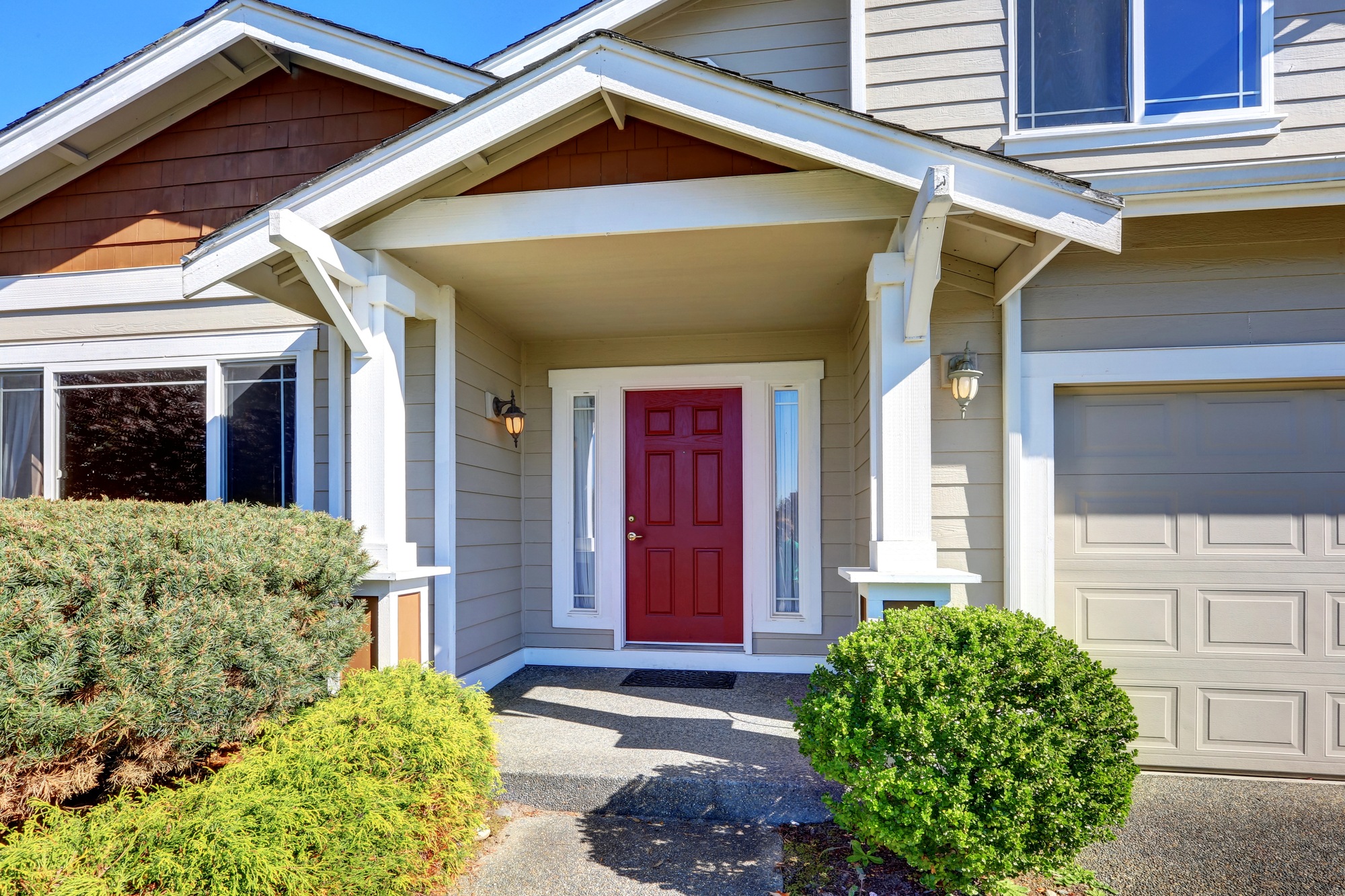
You notice the temperature difference the moment you step from your bedroom into the hallway. One room feels comfortable while another stays perpetually cold or stuffy. Your HVAC system runs constantly, yet certain spaces never feel quite right. These temperature inconsistencies signal a deeper problem. Your home loses energy through inadequate or failing insulation.
Energy efficient home insulation addresses more than comfort issues. The right insulation system reduces utility bills, improves indoor air quality, and protects your investment. Modern insulation technology has advanced far beyond the pink fiberglass batts many homeowners remember from decades past.
Why Energy Efficient Home Insulation Matters More Than Ever
Energy costs continue climbing across the country. Homeowners now spend an average of $2,000 annually on heating and cooling. Poor insulation forces HVAC systems to work harder and run longer. This creates a cycle of wasted energy and inflated bills.
Temperature control represents only part of the equation. Proper insulation reduces noise transmission between rooms and floors. Insulation prevents moisture problems leading to mold growth and structural damage. Quality insulation even increases property values. Homes with superior insulation sell faster and command higher prices in competitive markets.
Understanding Insulation R-Value Requirements for Your Climate
R-value measures thermal resistance. Higher R-values indicate better insulating performance. The number tells you how well a material resists heat flow. A wall with R-19 insulation performs better than one with R-13.
Climate zones dictate different R-value requirements. Southern regions typically need R-30 to R-49 in attics. Northern climates require R-49 to R-60 for adequate protection. Your local building codes specify minimum requirements, but meeting these minimums doesn’t always optimize energy savings.
Existing homes often fall short of current standards. Insulation degrades over time. Fiberglass batts settle and compress. Air gaps develop around electrical fixtures and plumbing penetrations. These gaps compromise thermal performance regardless of the stated R-value.
Types of Home Insulation Materials: A Comprehensive Comparison

Fiberglass stands as the most common insulation type. The material costs less than alternatives and works well in standard applications. Batts fit between wall studs and ceiling joists. Blown fiberglass fills irregular spaces. The material doesn’t block air movement effectively, which limits overall performance.
Spray foam creates an air barrier while providing high-performance insulation. Open cell foam expands to fill cavities and offers excellent soundproofing. Closed cell foam adds structural strength and blocks moisture. Both types effectively seal air leaks that other insulation materials often miss. Many spray foam insulation contractors serving Paris, Greenville, Dallas, Plano, and Sulphur Springs, TX, and the surrounding areas report that spray foam delivers one of the highest performance ratings per inch of any insulation material.
Cellulose provides an environmentally friendly option. Made from recycled paper products, cellulose works well as blown-in attic insulation. The material settles over time and requires periodic topping off to maintain R-value.
Rigid foam boards deliver high R-values in thin profiles. Installers use these panels for basement walls, cathedral ceilings, and exterior applications. The boards require careful sealing at joints to prevent air leakage.
Thermal Performance Insulation: Beyond Basic R-Values
Thermal bridging occurs when framing members create paths for heat transfer. A wood stud conducts heat faster than insulation. This reduces the overall R-value of a wall assembly. Continuous insulation addresses this problem by covering framing members with an unbroken layer of insulation.
Moisture management affects thermal performance. Water reduces insulation effectiveness. Wet fiberglass loses most of its R-value. Moisture also promotes mold growth and wood rot. Proper vapor barriers and ventilation protect insulation systems from moisture damage.
Air Sealing Techniques: The Foundation of Energy Efficiency

Air leaks account for 25 to 40 percent of heating and cooling energy waste. Insulation alone doesn’t stop air movement. You need both insulation and air sealing for optimal performance.
Common leak locations include recessed lights, attic hatches, plumbing penetrations, electrical outlets, and the band joist area where walls meet foundations. Professional energy auditors use blower door tests to locate hidden leaks. These tests measure air infiltration and pinpoint problem areas.
Spray foam naturally provides air sealing. Other insulation types require separate air sealing measures. Caulk, weatherstripping, and spray foam sealant close smaller gaps. Rigid foam or drywall patches seal larger openings.
Attic Insulation Installation: Your Biggest Energy Saving Opportunity
Attics experience the most extreme temperature fluctuations in a home. In many climates, summer attic temperatures can exceed 150 degrees, while in winter, attic temperatures often drop to match outdoor conditions. Inadequate attic insulation forces your HVAC system to work harder to compensate for these extremes.
Proper ventilation works alongside insulation to regulate attic temperature and moisture levels. Soffit vents allow fresh air intake, while ridge or gable vents provide exhaust. This continuous airflow helps prevent moisture buildup and extends the life of the roof. Some modern spray foam insulation professionals in Northeast Texas create unvented attic assemblies that bring the attic inside the home’s thermal envelope.
Professional installation ensures proper coverage and balanced ventilation. Experienced contractors know how to work around roof trusses, electrical wiring, and HVAC equipment, achieving consistent insulation coverage without gaps or compression.
Whole Home Insulation Solutions: A Room-by-Room Strategy

Different areas require different approaches. Attics typically offer the best return on investment. Basement and crawl space insulation comes next. Wall insulation provides value but costs more to retrofit in existing homes.
Basements need moisture-resistant insulation. Closed cell spray foam or rigid foam boards work well on foundation walls. These materials don’t support mold growth and maintain R-value when exposed to dampness.
Crawl spaces benefit from encapsulation. This approach seals the crawl space from outdoor air and moisture. Insulation goes on the walls rather than the floor above. The result creates a cleaner, drier space improving home performance.
Reducing Heating and Cooling Costs Through Strategic Insulation
Quality insulation cuts HVAC runtime by 20 to 50 percent. Your system reaches set temperatures faster and maintains them longer. This reduces wear on equipment and extends system life.
Expected savings vary by climate and current insulation levels. Homes with little or no attic insulation see the biggest improvements. Adding R-38 insulation to an uninsulated attic reduces heating and cooling costs by $200 to $500 annually in most climates.
Seasonal benefits compound over time. Winter heating savings combine with summer cooling reductions. Comfortable temperatures throughout your home eliminate the need to adjust thermostats constantly.
Home Insulation ROI: When Does Your Investment Pay Off?

Attic insulation typically pays for itself in 2 to 4 years through energy savings. Wall insulation takes 5 to 8 years. Basement insulation recovers costs in 6 to 10 years. These timelines assume professional installation and average energy prices.
The calculation extends beyond direct energy savings. Insulation reduces HVAC maintenance costs. Equipment lasts longer when running less frequently. Moisture control prevents costly repairs to framing and finishes. Improved comfort has value not appearing on utility bills.
Is Energy Efficient Home Insulation Right for Your Next Project?
Your home tells you when better insulation is needed. Uneven temperatures between rooms signal inadequate coverage. Ice dams on winter roofs indicate heat loss through the attic. Unusually high energy bills compared to similar homes point to insulation deficiencies.
Start with a professional energy audit. Auditors identify problem areas and prioritize improvements. They measure current R-values and recommend cost-effective upgrades. This assessment creates a roadmap for improving home energy efficiency.
Budget constraints don’t require postponing all improvements. Focus on high-impact areas first. Add attic insulation before tackling walls. Seal air leaks before adding more insulation. Each improvement builds on previous work to create a more comfortable, efficient home.
0
Related
Read the full article here