


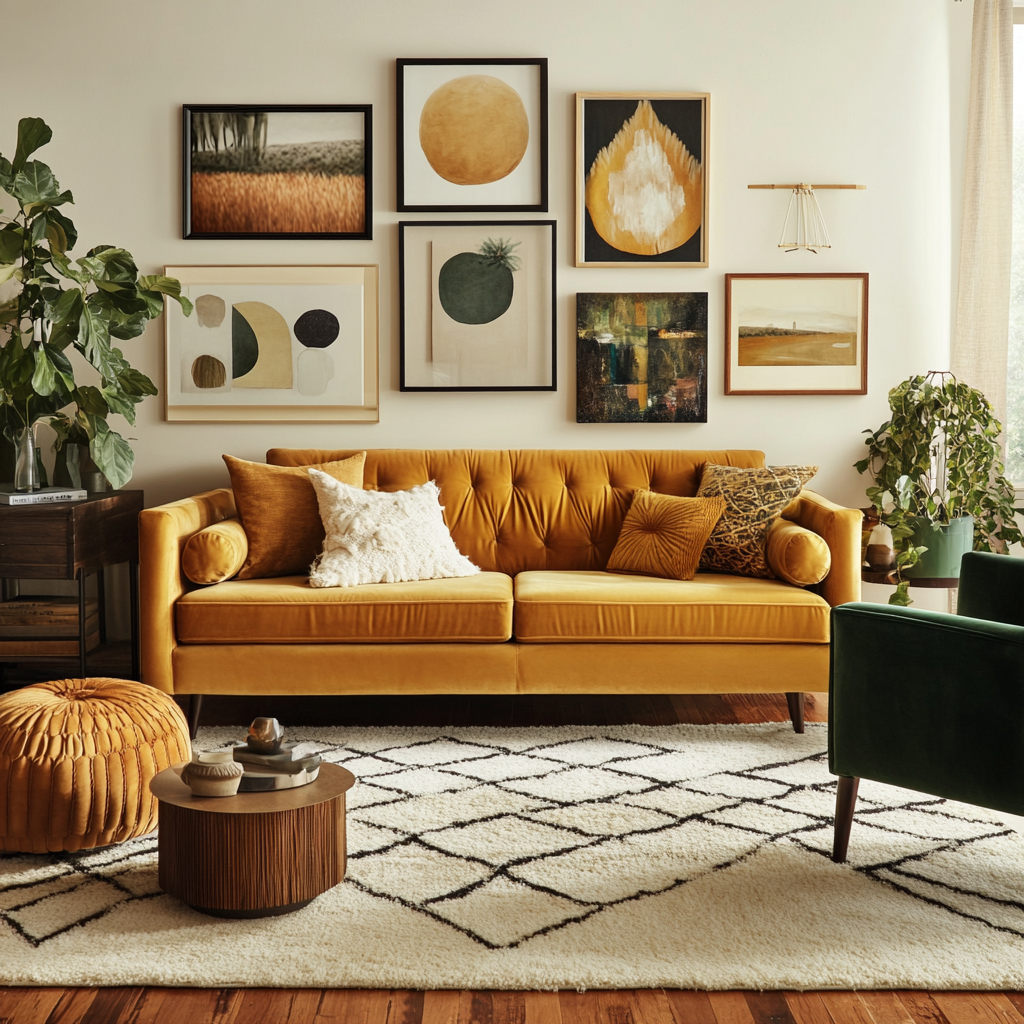
Some homes get one showing and fade into the background. Others stay top of mind. Buyers talk about them, revisit them, and compare everything else to them.
That difference usually isn’t about price alone. It’s about engagement.
When buyers want to come back to a home – physically or mentally – it’s often because something about the space resonated with them. Not in a flashy way. In a felt way. Understanding what drives that engagement can help explain why some homes move faster and with more confidence than others.
Emotional Resonance Beats Style Trends
Design trends come and go. Buyers know that. They’ve seen the white kitchens, the matte black fixtures, the open shelving. Trends catch attention, but they don’t always create attachment.
Emotional resonance does.
A home that feels balanced, comfortable, and intuitive often leaves a stronger impression than one that simply looks current. Buyers respond to spaces where they can imagine real life happening, such as quiet mornings, busy evenings and weekends that don’t feel staged.
This doesn’t mean ignoring style. It means using it as a tool rather than a focal point. Neutral palettes, natural light, and thoughtful flow tend to outlast any single trend. When a home feels easy to be in, buyers linger longer. And lingering is the first step toward engagement.
Why Repeat Showings Matter More Than First Impressions
First impressions matter, but they’re rarely the whole story. Many buying decisions are made after a second or even third look.
Repeat showings are one of the clearest signs of buyer intent. They indicate curiosity turning into consideration. Buyers who come back are often testing their initial emotional response against logic, budget, and comparison.
This is why professionals pay close attention to patterns. Understanding the way engagement leads to buying decisions helps explain why interest doesn’t always convert immediately, but often builds over time. A return visit usually means a buyer is mentally placing themselves in the home, not just evaluating it on paper.
Design that encourages a second look, like good lighting, flexible spaces, and visual calm, can quietly support this process without forcing urgency.
Design Cues That Build Buyer Confidence

Confidence is a huge factor in buying decisions. When buyers feel uncertain, they hesitate. When they feel reassured, they move forward.
Certain design cues naturally build that reassurance. Clean lines, uncluttered rooms, and consistent finishes signal care and maintenance. Good lighting reduces doubt by making spaces feel open and transparent. Logical layouts make homes easier to understand, which reduces mental friction.
Buyers may not articulate these cues, but they react to them. A home that feels “put together” suggests fewer surprises later. That sense of reliability is powerful.
Design doesn’t have to impress. It has to reassure.
Engagement Is a Signal, Not an Accident
Engagement isn’t random. It’s a response.
When buyers engage deeply with a home, like asking detailed questions, spending more time in certain rooms, or revisiting, it usually means the space has passed an emotional threshold. The home has moved from “interesting” to “possible.”
This is why engagement data is often more telling than surface-level metrics. A quiet listing with meaningful engagement can outperform a busy one with shallow interest. Depth matters more than volume.
Design that supports engagement tends to feel intentional but not overworked. It invites interaction without overwhelming the senses. Buyers don’t feel rushed. They feel curious.
How Buyers Interpret Spaces Over Time

Buyers don’t evaluate homes in isolation. They carry impressions from one showing to the next. A well-designed home can set a benchmark that others struggle to meet.
Over time, buyers remember how a space made them feel more than what it looked like. They recall comfort, flow, and ease. These memories influence future decisions, even subconsciously.
This is why homes that encourage engagement often stay competitive longer. They create a reference point. Other homes get compared to them, not the other way around.
Designing for Engagement Without Overdoing It
The goal isn’t to stage a showroom. It’s to create an environment that feels authentic and livable.
Over-styling can backfire. Spaces that feel too curated can distance buyers instead of drawing them in. Engagement comes from balance – there should be enough structure to feel intentional, and enough openness to feel personal.
A few thoughtful choices go a long way:
- Furniture that defines space without crowding it
- Lighting that feels warm rather than dramatic
- Neutral backdrops that allow buyers to project their own style
When design supports imagination instead of replacing it, buyers are more likely to come back.
Conclusion: Engagement Is Built, Not Forced

Buyers return to homes that make them feel confident, comfortable, and understood. That kind of engagement doesn’t come from chasing trends or forcing upgrades. It comes from thoughtful design choices that reduce friction and build trust.
Repeat showings, lingering interest, and gradual commitment are all signs that a home is doing something right. Designing for engagement means respecting how people actually make decisions—slowly, emotionally, and with intention.
When a home invites buyers back, it’s already doing the hardest part of the selling process.
0
Related
Read the full article here