


Growing fruit at home has become more than a hobby in 2026 – it’s a practical, sustainable, and rewarding way for UK gardeners to enjoy fresh produce while making better use of outdoor space. From compact urban gardens to larger countryside plots, fruit-growing options are more accessible than ever.
But with so many choices available, a common question arises: should you plant raspberry plants, strawberry plants, or invest in fruit trees? This guide breaks down the benefits of each option, helping gardeners choose the right plants based on space, maintenance, yield, and long-term value.
Why Are Homegrown Fruit Plants So Popular in the UK Right Now?
Several trends have contributed to the growing popularity of fruit gardening:
- Rising interest in sustainable living
- Increasing food costs and supply concerns
- Demand for chemical-free, fresh produce
- Improved plant varieties suited to UK climates
Modern fruit plants are bred for better disease resistance, higher yields, and adaptability, making them suitable even for beginner gardeners.
What Makes Raspberry Plants Ideal for UK Gardens?

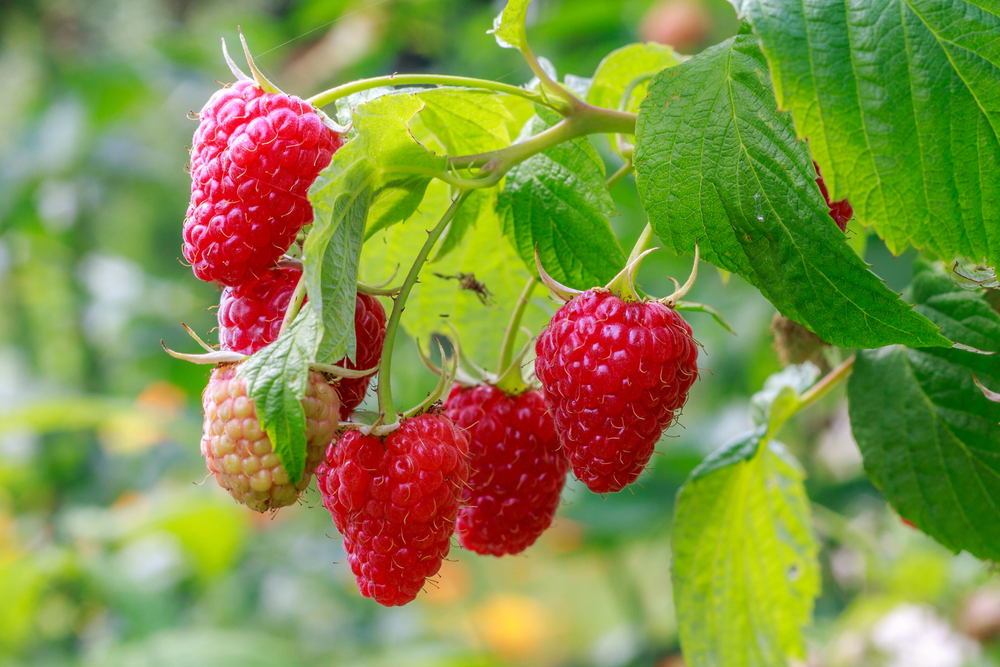
Raspberry plants are one of the easiest and most productive soft fruits to grow in the UK. They thrive in temperate climates and can deliver generous harvests year after year with minimal effort.
Why Are Raspberry Plants a Smart Choice?
Raspberry plants offer several advantages:
- High yields from relatively small spaces
- Perennial growth, producing fruit annually
- Suitable for borders, raised beds, and containers
- Available in summer-fruiting and autumn-fruiting varieties
Because they establish quickly, many gardeners see fruit within the first growing season.
Explore a wide range of high-quality raspberry plants suitable for UK gardens here:
Are Raspberry Plants Easy to Maintain?
Yes, raspberries are considered low-maintenance once established. Key care requirements include:
- Well-drained soil with good sunlight
- Annual pruning to encourage healthy growth
- Simple support systems such as canes or wires
Autumn-fruiting raspberries are especially beginner-friendly, as they require only one annual prune.
Why Are Strawberry Plants Perfect for Small Gardens and Containers?

Strawberries remain one of the most popular soft fruits in the UK — and for good reason. They are compact, fast-growing, and ideal for gardeners with limited space.
What Are the Benefits of Strawberry Plants?
Strawberry plants are particularly versatile:
- Suitable for pots, hanging baskets, grow bags, and borders
- Fast to establish and fruit
- Ideal for patios, balconies, and small gardens
- Attractive plants with decorative foliage and flowers
They are also a great option for families, as children enjoy both growing and harvesting strawberries.
You can find a selection of healthy, productive strawberry plants here:
How Long Do Strawberry Plants Produce Fruit?
Most strawberry plants produce fruit for 3–4 years before yields decline. However, many gardeners renew plants regularly to maintain strong harvests.
There are different types to consider:
- June-bearing strawberries – large crops over a short period
- Everbearing strawberries – smaller harvests throughout the season
- Perpetual varieties – ideal for continuous picking
This flexibility makes strawberries a reliable choice for gardeners who want quick results.
Are Fruit Trees Still Worth Planting in 2026?

Fruit trees are a long-term investment, but they remain one of the most rewarding additions to a garden. With modern dwarf and semi-dwarf rootstocks, fruit trees are now suitable for gardens of all sizes.
Why Choose Fruit Trees?
Fruit trees offer benefits that soft fruit plants cannot:
- Long lifespan with decades of harvests
- High yields once mature
- Increased property and garden value
- Strong visual impact and seasonal interest
Apples, pears, plums, cherries, and peaches all grow well in the UK when matched to the right conditions.
Browse a range of premium fruit trees suitable for UK climates here:
How Much Space Do Fruit Trees Need?
Thanks to modern growing techniques, space is no longer a limiting factor when it comes to fruit trees.
Options include:
- Dwarf trees for small gardens and containers
- Espalier or cordon trees for walls and fences
- Traditional orchard trees for larger plots
Choosing the right rootstock ensures manageable growth without sacrificing yield.
Raspberry Plants vs Strawberry Plants vs Fruit Trees: Which Is Best?
Each option serves a different purpose depending on your goals.
| Feature | Raspberry Plants | Strawberry Plants | Fruit Trees |
| Space required | Medium | Low | Medium–High |
| Time to harvest | Fast | Very fast | Slower |
| Lifespan | 10+ years | 3–4 years | 20–50+ years |
| Maintenance | Low | Low | Moderate |
| Yield potential | High | Medium | Very high |
Choose Raspberry Plants If:
- You want consistent annual harvests
- You have moderate space
- You prefer low-effort perennial fruit
Choose Strawberry Plants If:
- You garden in containers or small spaces
- You want fast results
- You enjoy frequent picking
Choose Fruit Trees If:
- You want long-term value
- You have space or vertical growing options
- You want larger quantities of fruit over time
Many UK gardeners choose a combination of all three for a balanced and productive garden.
How Do Fruit Plants Support Sustainable Gardening?

Growing fruit at home contributes to sustainability by:
- Reducing food miles
- Cutting packaging waste
- Supporting pollinators
- Encouraging seasonal eating
Fruit plants also improve soil health and biodiversity, making them a valuable addition to eco-conscious gardens.
What Should You Consider Before Planting Fruit Plants?
Before choosing your plants, consider:
- Sunlight availability
- Soil quality and drainage
- Space for mature growth
- Pollination requirements
- Ongoing maintenance commitment
Selecting plants suited to your environment is key to long-term success.
Final Thoughts
In 2026, growing fruit at home is both practical and rewarding. Raspberry plants offer dependable harvests with minimal effort, strawberry plants deliver quick results in even the smallest spaces, and fruit trees provide decades of abundance and structure.
Rather than choosing just one, combining these options allows gardeners to enjoy fresh fruit across multiple seasons while creating a diverse, resilient garden.
With the right selection and care, fruit plants remain one of the most valuable investments any UK garden can make.
0
Related
Read the full article here