






If there’s one thing that’s clear about gardens in 2026, it’s this: they’re no longer just something you “maintain.” They’re something you live in.
The idea of a garden as a neat lawn with a few borders is fading fast. In its place, we’re seeing spaces that feel more personal, more relaxed, and far more useful day to day. Gardens are becoming extensions of the home, places to unwind, grow food, support wildlife and, importantly, make life feel a little slower and more grounded.
What’s interesting is that these garden trends aren’t about chasing perfection. In fact, it’s the opposite. The most inspiring gardens right now are the ones that feel natural, slightly imperfect and designed around real life.
If you’re thinking about updating your outdoor space this year, here’s what’s shaping gardens in 2026 and how you can make these ideas work for your garden design.
1. Gardens Designed for Real Life, Not Just Looks
One of the biggest shifts this year is the move away from “show gardens” towards spaces that actually work for everyday living.
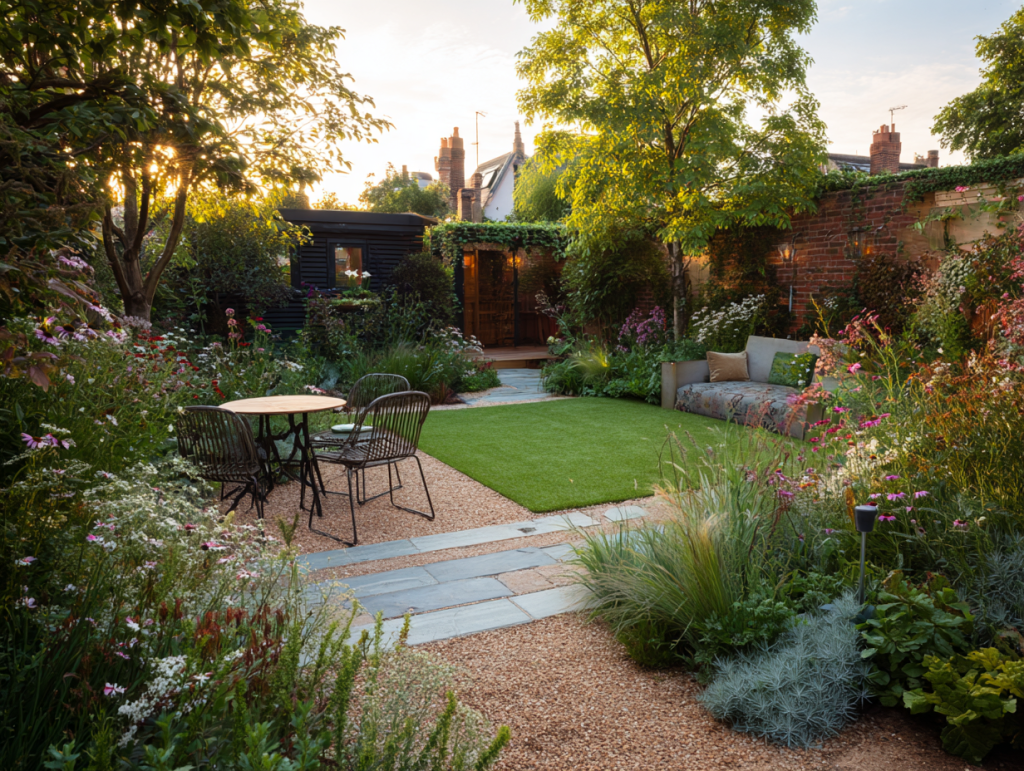
Gardens are being designed with purpose. That might mean a quiet corner for morning coffee, a place for children to play, or a simple setup for outdoor dinners. Instead of one large open area, people are creating zones that make the space more usable.
This ties into the growing idea of the garden as an outdoor room. Seating areas feel more like living rooms, with comfortable sofas, layered lighting and soft textiles. Outdoor kitchens, fire pits and dining spaces have become more common too, turning the garden into somewhere you naturally spend more time, and we love it!
What makes an outdoor room work:
- Clear boundaries. Use hedges, trellises, low walls, or changes in flooring material to define where one room ends and another begins.
- Appropriate scale furniture. Each zone needs seating, tables, or structures that fit the space and intended use. A dining area needs a table. A lounge needs comfortable seating. A play area needs open ground and storage.
- Shade structures. Pergolas, shade sails, or strategically placed trees make outdoor rooms usable during the hottest parts of the day.
- Lighting for evening use. String lights, lanterns, and low-voltage path lighting extend the usability of each space after dark.
- Layered plantings for privacy. Tall grasses, shrubs, and climbing vines create natural walls that block sightlines and reduce noise from neighbours or streets.
The transformation is striking. A yard that once felt like a chore becomes a series of destinations. You walk out the back door and choose where to go based on what you want to do. The investment in creating these rooms pays off in how much more time you spend outside and how much more enjoyment you get from the property. If you’re still staring at a flat, featureless lawn wondering why you never use it, this is the trend that fixes that problem.
What to take from this: Start by thinking about how you actually want to use your garden, not just how you want it to look. Do you need somewhere to sit with a coffee, a space for children to play, or a spot to eat outside in the evenings? Once you’re clear on a thoughtful design, it becomes much easier to shape the layout around your lifestyle. Even small changes, like adding a simple seating area or repositioning furniture, can make the space feel more usable straight away. Try to break your garden into zones, even if it’s a small space, so each part has a purpose rather than everything competing for the same role.
2. Gardens With a Sustainable Foundation


Sustainability is no longer a “nice extra.” In 2026, it’s the starting point for almost every garden decision.
That doesn’t mean complicated eco-systems or expensive upgrades. It’s about making small, practical choices that reduce waste, save water and support the environment.
Home gardeners are focusing on:
- Composting and improving soil health
- Collecting rainwater
- Choosing long-lasting, natural materials
- Reducing reliance on chemicals
- Planting species that thrive naturally in local conditions
We’re glad to see that the emphasis has shifted towards gardens that work with nature, not against it.
What’s changed is that these features are now part of the design itself. Compost bins, water butts and wildlife areas are no longer hidden away — they’re integrated and even celebrated.
What to take from this: Sustainable garden designs don’t require you to overhaul your entire garden. Start with the basics that will make the biggest difference over time. Improving your soil, collecting rainwater and choosing the right plants that naturally suit your conditions will reduce maintenance and save you money in the long run. It’s also worth looking at what you can reuse rather than replace, whether that’s repurposing materials or working with what’s already there. The goal isn’t perfection, it’s creating a garden that feels easier to manage and more in tune with its environment.
3. Climate-Resilient Planting


With more unpredictable weather, gardens need to cope with a changing climate and extremes — from dry summers to heavy rainfall.
That’s why climate-resilient planting is such a big trend this year. Instead of delicate, high-maintenance plants, people are choosing varieties that can handle changing conditions.
Expect to see more:
- Drought-tolerant plants like lavender and sedum
- Tough perennials that return year after year
- Native plants that suit local soil and climate
- Evergreen structure for year-round interest
These choices aren’t just practical — they often result in a garden that looks fuller and more natural.
There’s also a growing focus on “right plant, right place,” rather than forcing plants into spaces where they struggle.
What to take from this: Pay attention to what’s already working in your garden and what isn’t. If certain plants keep struggling, it’s often a sign they’re not suited to the conditions rather than something you’re doing wrong. Swap them for varieties that can cope better with your soil, sunlight and weather patterns. Focus on hardy, reliable plants that come back year after year, and build your planting scheme around those. This approach will save you time, reduce frustration and give you a garden that looks fuller and more established with less effort.
4. Wildlife-Friendly Gardens Become the Norm


In 2026, wildlife-friendly gardening has moved from a niche interest to something most homeowners are actively thinking about.
But this isn’t about letting everything grow wild and hoping for the best. The trend now is more intentional — creating spaces that support nature while still looking considered.
You’ll see:
- Pollinator-friendly planting
- Layered planting for shelter and food
- Bird boxes, bug hotels and water features
- Natural materials like logs and stones used decoratively
There’s also a shift towards seeing the garden as a mini local ecosystem rather than a collection of individual plants.
Even more interesting is the rise of “designed rewilding,” where wildlife-friendly features are arranged in a way that still feels structured and visually pleasing.
What to take from this: You don’t need to turn your entire garden into a wild space overnight. Start by adding a few pollinator-friendly plants or letting a small area grow a little more naturally. Even something as simple as planting lavender or leaving a corner slightly less tidy can make a difference. Over time, you can build on this by adding layers, like shrubs, ground cover and places for insects to shelter. The key is to make small, intentional changes that still feel right for your space, rather than trying to do everything at once.
5. Front and Back Edible Gardens

Growing your own food isn’t new, but in 2026 it’s becoming more integrated into garden design in both back and front gardens.
Not long ago, growing food in your front garden felt like pushing against the norm. It was something people quietly did out of sight, tucked away behind fences or hidden at the back of the house. That’s changed.
Edible planting is now moving front and centre — and not in a scruffy, make-do way. These spaces are being designed just as thoughtfully as any ornamental garden, with structure, balance and visual appeal built in from the start. The result is a garden that looks beautiful and gives something back.
Part of the shift comes down to how we see our outdoor space. Lawns and purely decorative planting are starting to feel a bit limited, especially when space is at a premium. There’s also a growing awareness of food costs, seasonality and the simple satisfaction of stepping outside and picking something fresh.
But this isn’t about turning your front garden into a full-scale allotment. It’s about weaving edible plants into the design so they feel like a natural part of the space.
For example, you’ll see trends such as:
- Fruit and perennial edibles used as structure
Blueberries, currants, raspberries and even small fruit trees are taking the place of traditional shrubs. They offer shape and seasonal interest, but with the added bonus of something you can actually harvest. - Herbs planted as borders
Instead of purely decorative edging, herbs like rosemary, thyme, sage and lavender are being used to frame paths and beds. They look good, smell great and are easy to dip into when you’re cooking. - Climbing edibles used vertically
Trellises and fences are being used for beans, peas and cucumbers, adding height and greenery without taking up extra space on the ground. - Raised beds designed to feel permanent
Clean, well-placed raised beds in wood or metal are being treated as part of the overall layout, rather than something temporary. When they’re positioned thoughtfully, they can look just as considered as any other garden feature. - Edible flowers mixed into planting schemes
Plants like nasturtiums, calendula and violas bring colour and softness, while also being completely usable in the kitchen.
There’s also a rise in compact growing, with tabletop vegetables and container gardening making it easier to grow food in smaller spaces. Even a small raised bed with a few well-chosen plants can give you a surprising amount back over a season.
It’s a simple idea, but quite a powerful one: your garden can look good, feel good to spend time in, and quietly earn its keep at the same time.
What to take from this: If your front garden feels underused, this is a good place to rethink how it could work harder for you. Start small by swapping out one or two purely decorative plants for something edible that still looks good, like a blueberry bush or a herb border. Pay attention to structure so the space still feels tidy and intentional. Over time, you can build this up into a garden that offers both kerb appeal and something practical in return. It’s not about replacing everything, just making smarter use of the space you already have.
6. The Shift Away From Lawns

We’ve been actively noticing that the traditional lawn is slowly losing its place as the centrepiece of the garden.
More people are reducing their lawn areas or removing them entirely, especially where grass struggles to thrive.
Instead, that space is being used for:
- Planting perennial beds and fragrant flowers
- Gravel or paving areas
- A patio garden and seating zones
- Wildflower patches
Lawns aren’t disappearing completely, but they’re becoming smaller and more purposeful rather than dominating the whole space.
What to take from this: Take an honest look at how much you actually use your lawn. If it’s mostly there out of habit rather than function, it might be worth reducing it. You don’t have to remove it completely — even shrinking it slightly can free up space for planting, seating or something more useful. Start with a small section and see how it changes the feel of the garden. Often, once you make one change, it becomes much clearer how the rest of the space could evolve.
7. Curves, Soft Lines and Natural Shapes

Straight lines and rigid layouts are being replaced with softer, more organic shapes.
Curved paths, rounded seating areas and flowing borders are all becoming more popular. These shapes feel more natural and help gardens blend better with their surroundings.
Even furniture is following this trend, with curved seating and softer silhouettes replacing sharp, boxy designs.
What to take from this: You don’t need a full redesign to soften your entire space. Look for one area where you can introduce a curve, whether that’s reshaping a border in a cottage garden, adjusting a path or even repositioning furniture. Softer lines tend to make a space feel more relaxed and less rigid, especially in smaller gardens where straight edges can feel quite harsh. Even subtle changes can shift the overall feel without requiring major work.
8. Small Gardens, Smarter Design

With space at a premium, especially in urban areas, there’s a big focus on making smaller gardens work harder.
This means thinking more practically and making use of the space vertically as well as horizontally.
Popular small garden trends in 2026 include:
- Vertical planting walls
- Trellises and climbing plants
- Multi-use furniture
- Zoning small areas for different uses
The goal is to make even the smallest outdoor space feel layered, interesting and functional.
What to take from this: If space is tight, focus on making every element work a little harder. Use vertical space for planting, choose furniture that can serve more than one purpose and think carefully about layout so nothing feels wasted. Even in a small garden, you can create distinct areas by using planters, levels or changes in materials. The aim is to make the space feel layered and considered, rather than cramped or cluttered.
9. Outdoor Lighting as a Design Feature

Lighting is no longer an afterthought. In 2026, it’s a key part of how a garden feels, especially in the evenings. Rather than a single bright light, people are layering different types of lighting with ambient glows to create atmosphere.
This includes:
- Soft pathway lighting
- Uplighting trees and plants
- String lights for warmth
- Solar and smart lighting systems
Lighting helps extend the use of the garden into the evening and creates a completely different mood after dark.
What to take from this: Start by thinking about where you naturally spend time in the evening, then add lighting there first. A simple combination of soft pathway lights, subtle uplighting and a warm glow around seating areas can completely change how the garden feels after dark. You don’t need anything overly technical to begin with — even solar lights in the flower beds or a few well-placed fixtures can make a noticeable difference. Build it up gradually so it feels natural rather than overdone.
10. Warm Minimalism and Calm Spaces

This year, there’s a move away from overly busy, cluttered gardens towards something more calming and intentional.
This doesn’t mean empty or stark spaces. It’s all about choosing fewer elements and making them count.
You’ll see:
- Neutral colour palettes
- Natural materials like wood and stone
- Simple planting schemes with repetition
- Spaces designed for relaxation
- Sculptural focal points
This ties closely with the growing interest in wellness-focused gardens — spaces that help you slow down and switch off.
What to take from this: Take a step back and look at what’s in your garden right now. If it feels busy or cluttered, try removing a few elements and see how the space changes. Focus on keeping things you genuinely like or use, and let go of anything that doesn’t add value. Choosing a simple palette of materials and colours can also help everything feel more cohesive. It’s less about stripping things back completely and more about making thoughtful choices.
11. Bold Planting and Colour Confidence

While some gardens are becoming more minimal, others are going in the opposite direction with bold colors and expressive planting.
Colour is being used more deliberately, whether that’s vibrant contrasts, jewel tones or soft, cohesive palettes.
Popular planting approaches include:
- Monochromatic planting schemes
- Strong colour pairings like purple and yellow
- Soft, romantic tones like dusky pinks
- Mixing foliage textures for added depth
It’s less about following strict rules and more about creating a mood that feels right for you.
What to take from this: If you want to experiment with colour, start with a small area rather than the whole garden. Pick a color palette you’re drawn to and repeat it across a few plants to create a sense of cohesion. Pay attention to foliage as well as flowers, as this adds depth even when things aren’t in bloom. Once you find a combination you like, you can gradually extend it into other parts of the garden.
12. Flexible, Moveable Furniture

Fixed, built-in furniture is becoming less popular. Instead, people want flexibility in their outdoor spaces.
Moveable seating allows you to adapt your garden depending on how you’re using it — whether that’s entertaining, relaxing or simply enjoying a quiet moment.
Modular furniture is also on the rise, giving you the option to rearrange layouts easily.
What to take from this: Choose furniture that you can easily move and adapt depending on how you’re using the space. This makes your garden feel more flexible and less fixed. If you like to entertain, you can rearrange seating to suit, then shift it back for quieter days. It also means you can follow the sun or shade throughout the day, which makes a bigger difference than you might expect.
13. Blurring the Line Between Indoors and Outdoors

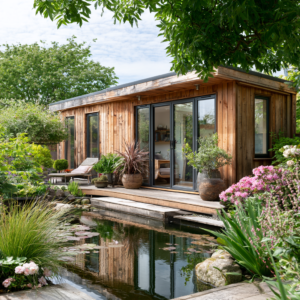
One of the most noticeable 2026 gardening trends is how closely gardens now mirror interior design. Materials, colours and styles are being carried outside to create a seamless transition between the home and garden.
One of the key ways of blurring indoor-outdoor living is through the use of plants. Gardeners are treating their patios, porches, and entryways as extensions of interior living spaces, using plants to create visual continuity between indoors and out. Large potted specimens that can move between zones, identical plant species repeated on both sides of glass doors, and outdoor planters styled like indoor decor are erasing the traditional boundary.
This trend is about more than aesthetics. It’s about expanding the sense of livable space and making the garden feel like part of the home rather than a separate entity you visit.
Tactics for blurring the indoor-outdoor line:
- Oversized container plants on patios that mirror houseplants inside. A fiddle-leaf fig indoors pairs with a potted olive tree just outside the door. The repetition creates flow.
- Consistent colour palettes. If your interior has neutrals and greens, carry those tones into your outdoor furniture, pots, and plant selections.
- Transitional plantings around doors and windows. Flank entry points with symmetrical plantings that draw the eye outward and make stepping outside feel natural.
- Outdoor rugs, cushions, and textiles. Weather-resistant fabrics in indoor styles make patios and decks feel like furnished rooms.
- Glass walls or large sliding doors. When the physical barrier is minimal, the visual connection between spaces becomes effortless.
The psychological effect is real. When the garden feels like an extension of your living room, you use it more. You water those plants because they’re part of your daily environment, not hidden in a far corner of the yard. You sit outside because it feels like another room, not like leaving the house.
If your goal is to spend more time in your garden without it feeling like a separate chore or destination, this trend makes that shift almost automatic. The result is a space that feels like a natural extension of your home, rather than something separate.
What to take from this: Look at your interior style and think about how you can echo it outside. This could be through similar colours, materials or even textiles. Adding cushions, rugs or softer furnishings can make your garden feel more inviting and connected to your home. You don’t need to replicate everything, just enough to create a sense of flow between the two spaces.
14. Sustainable Hardscaping Materials

The materials under your feet matter more than you think, and the industry is shifting hard toward sustainability.
Concrete and traditional pavers have dominated hardscaping for decades, but their environmental costs are steep. Concrete production accounts for roughly 8 per cent of global carbon emissions. Impermeable surfaces contribute to urban heat islands and stormwater runoff problems. In 2026, designers and homeowners are reaching for natural stone alternatives that perform just as well while reducing environmental impact and often looking better in the process.
Top sustainable hardscaping materials gaining traction:
- Permeable pavers. These allow water to drain through the surface into the ground below, reducing runoff and recharging groundwater. They work for driveways, patios, and walkways without sacrificing durability.
- Reclaimed brick and stone. Salvaged materials from old buildings and roads carry history, character, and a smaller carbon footprint than newly quarried stone.
- Decomposed granite. A natural, compactable material that creates firm, attractive pathways and patios at a fraction of the cost and environmental impact of concrete.
- Recycled rubber pavers. Made from repurposed tires, these are impact-absorbing, slip-resistant, and ideal for play areas or high-traffic zones.
- Gravel and stone mulch with grid stabilizers. Plastic or metal grids lock gravel in place, preventing shifting while maintaining permeability and a natural look.
Beyond the environmental argument, these materials often outperform traditional options in specific contexts. Permeable pavers prevent puddles and ice buildup. Decomposed granite stays cooler underfoot than concrete in summer heat. Reclaimed brick adds instant character that new materials can’t replicate.
If you’re planning a patio, path, or driveway, the sustainable option is no longer the compromise choice. It’s often the better choice.
What to take from this: If you’re planning any kind of patio, path or driveway, it’s worth pausing before defaulting to standard concrete or paving. Think about how the surface will actually perform in your space — does it need to drain well, stay cool in summer, or handle heavy use? Materials like permeable pavers, gravel or reclaimed stone often solve practical problems while also looking more natural and settled over time. You don’t have to replace everything at once either. Even switching materials in one area can make a noticeable difference to how your garden functions and feels. The aim of thoughtful planning is to choose surfaces that work with your environment, not against it, while adding a bit more character in the process.
15. Gardens Are Starting to Work Together, Not Apart

Another shift that’s quietly gaining momentum in 2026 is the idea that your garden isn’t a standalone space. It’s part of something bigger.
Rather than thinking in terms of one individual plot, more people are starting to consider how their garden connects with the ones around it. This is where the idea of pollinator-friendly “pathways” comes in — a more joined-up approach to planting that supports bees, butterflies and other beneficial insects across whole streets or neighbourhoods.
It sounds like a big concept, but in reality, it’s built on simple, practical choices.
Instead of isolated patches of flowers, gardens are being planted in a way that creates a continuous source of food and shelter. When that happens across multiple homes, it allows pollinators to move more easily, feed more consistently and, importantly, stick around.
A few key ideas are shaping this approach:
- Planting for a longer flowering season. Mixing early, mid and late-season plants means there’s always something in bloom, rather than everything peaking at once and fading quickly.
- Choosing plants that suit your local environment. Native and well-adapted plants tend to perform better and offer more reliable food sources for local wildlife.
- Reducing or removing pesticides. Even gentle treatments can disrupt pollinators, so there’s a growing focus on letting the garden balance itself naturally.
- Creating layers of habitat. This might mean leaving a small patch of bare soil, adding dense planting for shelter, or including natural materials like logs or leaf piles where insects can overwinter.
What makes this trend particularly interesting is how quickly it builds impact. One wildlife-friendly garden is a great start. But when several neighbours take a similar approach, the effect multiplies.
You end up with a space that feels more alive, more balanced and often easier to manage. Plants are better pollinated, pests are kept in check more naturally, and the whole garden starts to feel like it’s working with nature rather than constantly needing intervention.
It’s a subtle shift, but an important one. Your garden might be your own, but the benefits of how you design it can stretch far beyond your fence.
What to take from this: Start with what’s within your control. Add a mix of plants that flower at different times of year, reduce pesticide use where you can, and include a few features that support wildlife. If you know your neighbours, it’s worth having a conversation too — even small, shared efforts can make a noticeable difference. But even on your own, these changes will help create a healthier, more balanced garden that feels more alive and easier to maintain over time.
Bringing It All Together
If there’s a common thread running through all of these 2026 top trends, it’s this: gardens are becoming more personal, with more emotional depth.
They’re less about ticking boxes or following rigid design rules, and more about creating a space that works for you, your family and your lifestyle.
You don’t need to do everything at once. In fact, the best gardens tend to evolve slowly. Start with one or two changes that make your space easier to use or more enjoyable to spend time in. That might be adding a seating area, planting something edible, or simply rethinking how you use your lawn.
The goal isn’t perfection. It’s creating a garden that feels like it belongs to you — and one you’ll actually want to spend time in.
0
Related
Read the full article here


