








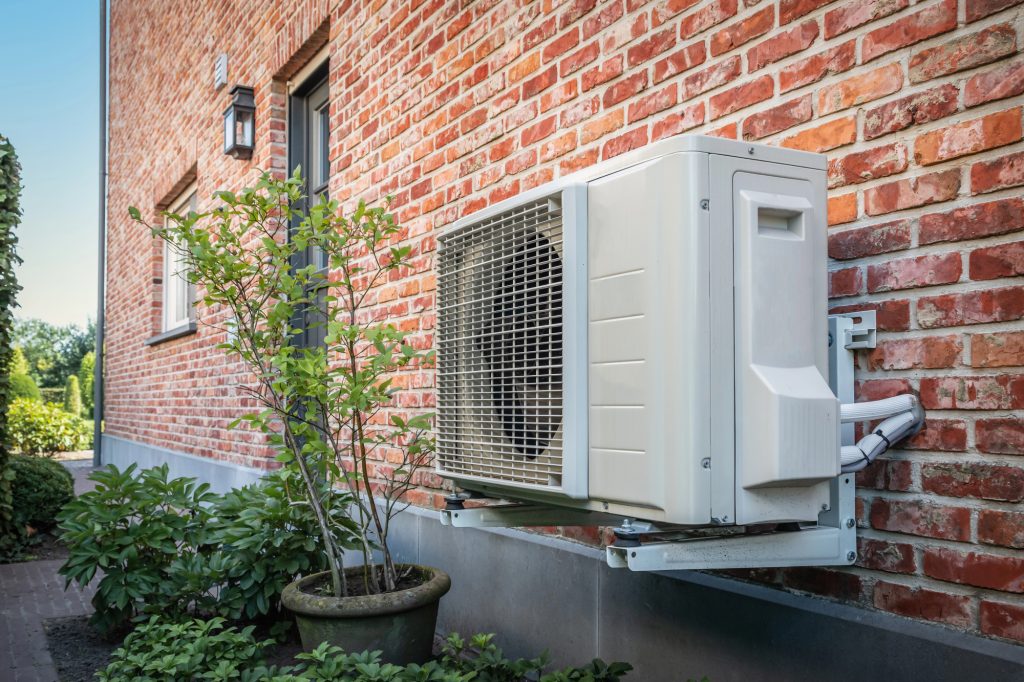
Renewable heating has moved from niche to mainstream in UK homes over the last three years. The Boiler Upgrade Scheme provides £7,500 toward an air source or ground source heat pump, planning rules have been relaxed under the Warm Homes Plan, and smart tariffs have made off-peak electricity genuinely cheap. The case for switching is stronger than it has ever been.
Yet a worrying share of homeowners who make the switch end up dissatisfied. Forums and consumer publications are full of stories about systems that didn’t deliver, bills that didn’t fall, and installers who disappeared after handover. Almost none of these outcomes are caused by the technology. They’re caused by predictable mistakes in the buying process. Here are the five most common ones.
1. Choosing the Installer by the Quote, Not the Design Process
The most expensive mistake at the start of a heat pump project is picking the cheapest quote without understanding what’s missing from it. A properly designed heat pump installation runs through a room-by-room heat loss calculation, identifies which radiators need upgrading to work at lower water temperatures, specifies a target flow temperature, and documents all of this before any equipment is ordered. A poorly designed one produces a single-page quote with a unit size and a price.
The first installer can deliver a system that runs efficiently and quietly for fifteen years. The second can leave you with a heat pump that costs significantly more to run than the brochure suggested, because the system has been forced to operate at flow temperatures it was never meant to run at. For homeowners in the South East considering the switch, Berkshire-based renewable heating specialist Eco Renewables produces a written design document (the Heat Pump Blueprint) before any equipment is ordered, showing the heat loss figures, emitter schedule, target flow temperatures, and projected running cost range for the specific property. This is the kind of process worth looking for, regardless of which installer you end up choosing.
The test is whether the installer can explain the design decisions in plain English. If the answer to “what flow temperature is this system designed around?” is “we’ll work it out on the day,” the design hasn’t been done.
2. Treating the New System Like the Old One
Gas boilers fire hot for short bursts and switch off. Most homeowners use them that way, often with timer schedules that drop the thermostat overnight. Heat pumps work in the opposite direction. They maintain a steady, low output continuously, holding the house at a constant setpoint.
Setting back the temperature overnight and trying to recover in the morning forces the heat pump to ramp up flow temperature, which kills efficiency. The single most common cause of “my heat pump is expensive to run” complaints in the first year of operation is the homeowner trying to operate it like a gas boiler. The right approach is to set the property to a comfortable steady setpoint, engage weather compensation, and avoid setbacks except for prolonged absences.
This shift in operating mindset is rarely explained at handover. It should be. The first heating season is when running costs are most likely to surprise homeowners, almost always because the system is being run incorrectly.
3. Underestimating the Radiator Question


A heat pump heats your house via the same radiators or underfloor circuits you already have. But there’s a catch. Radiators sized for a gas boiler running flow temperatures at 65 to 75°C will only deliver a fraction of their rated output at the 35 to 45°C flow temperatures a heat pump is designed for. To compensate, the system either needs bigger radiators in certain rooms or has to run hotter, sacrificing efficiency.
Most properties switching from gas need some radiator upgrades. Not all of them. Not every room. But the rooms with high heat demand relative to existing emitter size will need new radiators if the system is to run efficiently. A proper heat loss survey identifies these rooms at the design stage and prices the upgrades into the quote upfront.
Where homeowners get caught out is when the survey is rushed and the emitter assessment is skipped. The system is then commissioned at a high flow temperature to mask the undersized emitters, and the homeowner pays for that compromise in running costs for the life of the system. If your quote doesn’t itemise the emitter schedule, ask for it before signing.
4. Believing the “Free Heat Pump” Marketing
Search “heat pump grant” online and you’ll see a mix of legitimate information about the Boiler Upgrade Scheme and misleading advertising about “free boiler schemes” and “Octopus heat pump grants.” Most of it is at least partially misleading. There are essentially three real funding routes for heat pump installations in England and Wales.
The Boiler Upgrade Scheme is the main one: a £7,500 grant deducted from your installer’s invoice, applicable to most homeowners regardless of income. ECO4 is a separate scheme for low-income households receiving qualifying benefits, typically funding gas boiler replacements rather than heat pumps. And 0% VAT applies to qualifying installations through March 2027.
None of these make a heat pump free. A typical installation costs £14,000 to £18,000 for a three-bed property. After the £7,500 grant and 0% VAT, the homeowner pays roughly £6,500 to £10,500 net. That’s a meaningful subsidy, but it’s not free. Adverts that promise no cost almost always lead to either ECO4 (which most homeowners don’t qualify for) or finance arrangements that quietly add the cost back over five to ten years. Read the small print before signing anything.
5. Missing the Planning and Eligibility Curveballs


Most heat pump installations now proceed under Permitted Development rights, which were relaxed in May 2025. Outdoor units can sit up to the property boundary, the size limit was raised, and detached homes can have two units under PD. Most properties have no planning headache to worry about.
The exceptions matter. Listed buildings always need Listed Building Consent regardless of unit placement. Conservation areas typically remove or restrict PD rights, particularly for installations visible from a public highway. Flats are subject to a tighter size limit that rules out most modern heat pump units without specific planning permission. Pitched roof installations are never permitted under PD.
For homeowners in conservation areas or listed buildings (common in towns like Windsor, Sunningdale, Ascot, Guildford, and across the Surrey Hills), planning needs to be flagged at the survey stage. A planning rejection or delay can push the install past the 3-month Boiler Upgrade Scheme voucher validity window. The good installers identify this risk early and coordinate the planning route alongside the grant timeline.
None of these mistakes are difficult to avoid once you know what to look for. The difference between a heat pump installation that exceeds expectations and one that disappoints comes down almost entirely to the buying process, not the technology. Ask the right questions, demand the design documentation, understand how the system is meant to be operated, and the renewable heating transition becomes one of the better decisions a UK homeowner can make this decade.
0
Related
Read the full article here


