





‘Container gardening’ is the art of growing plants in pots, rather than directly in the ground. In fact, you don’t even have to use proper pots – you can grow plants in a wide variety of containers, and you’ll have a quirky, individual garden that’s all yours! Here’s what to do.
Types of plant container
Really, you can grow plants in more or less anything. There are some guidelines, though, if you want your plants to grow up healthy and happy. Here’s what to look for.
General guidelines
Whatever container you use, it should be large enough to give your plant plenty of space and have good drainage. Using unusually shaped containers can make trouble in the long, as plant roots will grow into books and crannies and you might never be able to get the plant out to re-pot it! You’ll also need to consider the material the container is made from.
Ceramics
This covers everything from purpose made glazed pots to old umbrella stands! They’re practical, easy to clean and generally hard wearing. If you’re re-purposing something such as a large ceramic kitchen bowl as a plant pot, you’ll need to do something about drainage. Drilling holes in the bottom of the bowl will almost certainly cause it to break, so you’ll need to put plenty of ‘crock’ (pieces of broken pot and stone) at the bottom to allow for drainage. Containers without proper drainage are best used inside, as they tend to fill up with water when it rains and drown your plants. In addition, ceramic items that weren’t made for the job may be susceptible to frost when used outside.
Plastic
Plastic containers are lightweight, tend to be inexpensive and can be colourful. You can also drill holes in them, if necessary! Choose something strudy, though, as thin plastic can perish and break when used outdoors.


Metal
Metal containers can make great plant pots. Scour antique and vintage shops for old galvanised baths, coal scuttles, bread bins and buckets – these can look quirky and attractive. You can also drill holes in them, if necessary. These containers are durable and long lasting, with only two disadvantages. One is that they’re prone to rust, particularly when you’re watering plants regularly. The other is that they tend to get very hot when direct sunlight, and can scorch the plants or cause the soil to dry out quickly.


Other materials
You can repurpose lots of household items as plant containers, including old Wellington boots, tyres, wheelbarrows and even wooden furniture. Some will prove more durable than others! If you like to change your display regularly and like to plant annuals, then you can use pretty much whatever you like within the ‘rules’ – you might have to chuck it out at the end of the summer, though!


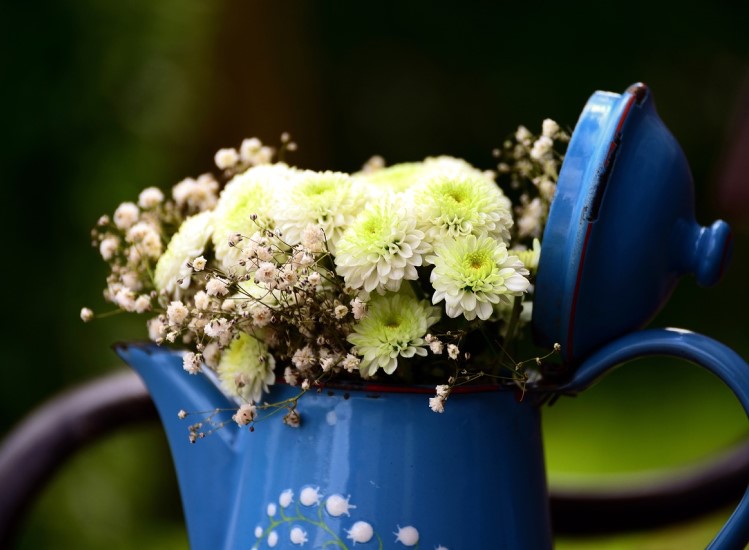
If you’re growing plants indoors, you can be much more flexible with what you use as it doesn’t have to be as weatherproof. Handleless mugs, old jugs and kitchen crockery can all find a second career as planters and help create an attractive display.
Main image by congerdesign via Pixabay
0
Related
Read the full article here


