






British gardens break most surfaces eventually. October brings the first real rain. January freezes the edges. A dry July bakes everything pale, then September floods it back. Natural grass demands constant mowing, feeding, and patching that never quite ends. Alternatives that hold up exist. They are no longer a compromise.
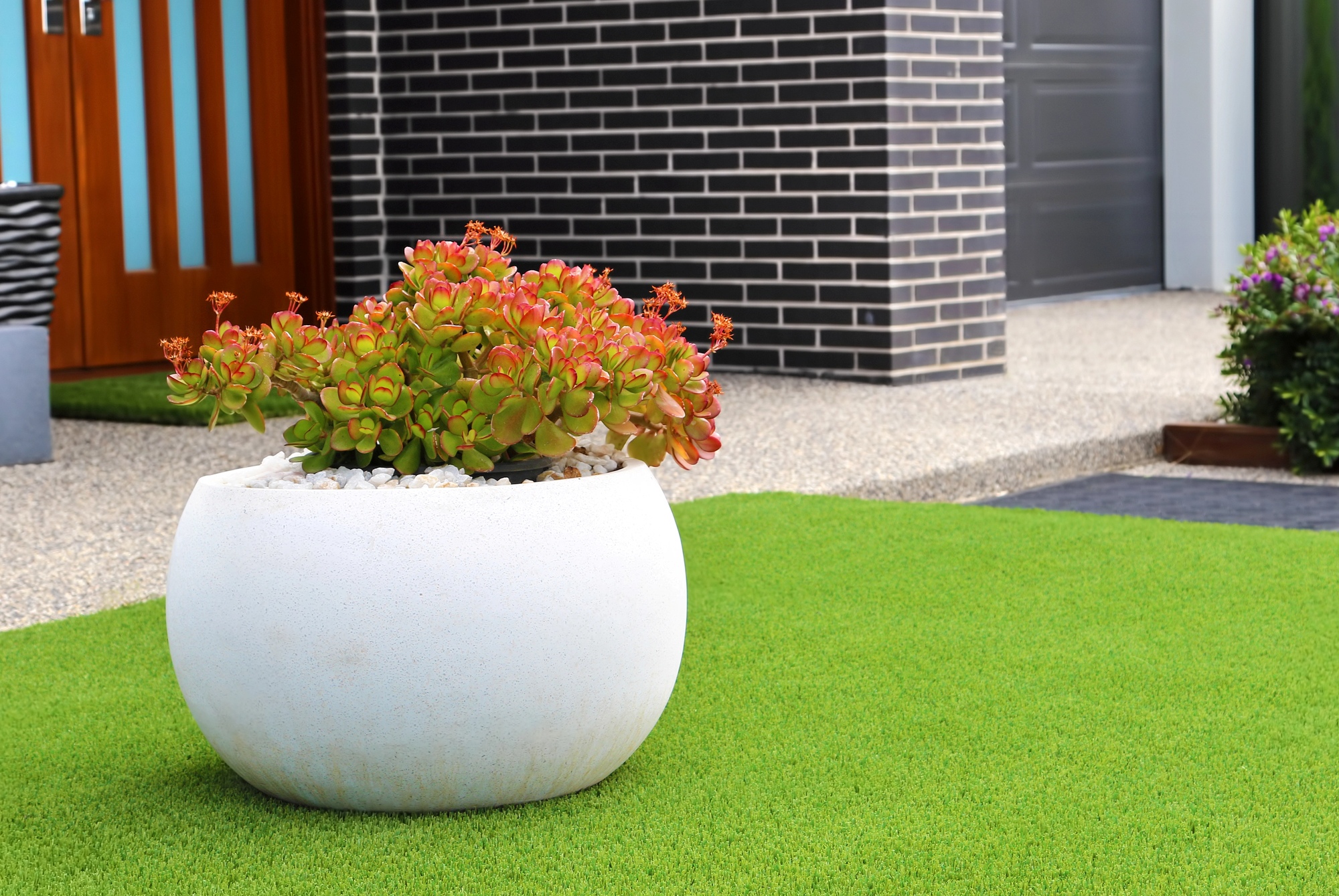
Artificial grass left the sports pitch years ago. Residential versions today replicate the texture and colour of real turf without the seasonal collapse. Drainage is built in. Pets and children do not leave bald patches. Brushing once a fortnight is about as demanding as it gets. For families, landlords, and anyone who wants a garden that looks the same in February as in June, the appeal is obvious.
Why British Weather Demands Specific Artificial Grass Features
The UK’s climate hits hard in three directions. Cold winters. Wet springs. Occasional summer heat that synthetic fibres were never designed for. Artificial grass has to handle all three without deteriorating. A product that fades by year three is not a solution.
Drainage rate is the first number worth checking. Quality products allow a significant volume of water per square metre to pass through each hour. Gardens sitting on heavy clay soil, or areas that already pool after rain, need grass with higher drainage rates. Without it: puddles, moss, smell. Not ideal.
UV stability matters even when the sun barely shows up. Synthetic fibres degrade under UV exposure regardless of cloud cover. For homeowners comparing UV ratings, pile heights, backing types, and drainage before committing to artificial grass, Urmston Grass keeps the decision tied to product performance, not just colour on a screen.
A proper UV rating keeps colour and texture intact. Frost resistance comes down to backing flexibility. Polyurethane stays pliable in cold weather, which matters more than most people realise when overnight temperatures drop below zero and cheaper backings start to crack.
Drainage Systems That Handle Persistent Rain
Backing material determines how well water moves through the surface. Polyurethane backings have perforations that hold their shape over years of heavy use. Latex backings cost less upfront. Compression follows faster than expected, particularly in gardens that see frequent rainfall.
Sub-base preparation is where most DIY installations go wrong. Compact crushed stone and gravel beneath the turf. That layer provides stability and lets water disperse quickly. Skip it and the lawn develops waterlogged patches, uneven settling, and moss within a season or two. Not an optional step.
Drainage rates vary significantly between products. Gardens with existing water retention problems benefit from grass with higher drainage capacity. Professional installers assess soil conditions and recommend additional channels or soakaways where the ground needs extra help. Getting this right during installation costs far less than fixing it afterwards.
Testing Drainage Before Installation


A basic percolation test identifies problem areas before a single roll of turf goes down. Dig a hole around 300mm deep. Fill it with water. If the water still sits there hours later, the soil is already telling you something. Slow drainage. Wet patches. Trouble later. In gardens with wet soils, the sub-base needs more thought before the surface goes anywhere near the ground. Test more than one spot. Each one tells you something different.
Clay-heavy gardens or plots with a history of flooding need additional infrastructure. Perforated pipes, gravel channels, connections to existing drainage systems. Severity dictates the solution. A professional assessment matches the fix to the specific site and prevents water accumulation from becoming a recurring problem.
Material Durability in Cold and Wet Conditions
Yarn composition determines how the grass actually performs through a British winter. Polyethylene fibres are soft underfoot and spring back after foot traffic and prolonged rain. Polypropylene costs less. It also flattens faster. It suits low-traffic areas where appearance under pressure is not the priority.
Monofilament blades replicate individual grass strands. They hold their upright position better than fibrillated alternatives after extended wet periods. Fibrillated grass uses split fibres in a mesh structure. Cheaper to produce. Quicker to mat down under use and more likely to retain moisture. For gardens with children or pets, monofilament construction holds up longer. Looks better doing it too.
Lifespan depends heavily on UV treatment and construction quality. Budget products without proper UV protection fade, stiffen, and turn brittle sooner than most homeowners expect. You see it first where the sun hits longest. Along the edge by the patio. Across the open middle of the lawn. Examining physical samples before buying matters, because density and texture tell you things a product page cannot.
Maintenance Requirements for Year-Round Performance


Artificial grass needs less work than natural lawn. Not zero work. A stiff broom every couple of weeks keeps fibres upright and stops matting from setting in. High-traffic areas need attention more often. The task takes minutes and makes a visible difference over time.
Leaf removal in autumn cannot wait. Left on the surface, organic matter breaks down and feeds moss, algae and unwanted growth. A plastic rake or leaf blower handles it without damaging fibres. In shaded gardens, non-chemical control keeps the surface cleaner without turning routine maintenance into a harsh chemical job. Stay on top of it and drainage remains effective. Ignore it and the surface stains.
Shaded areas prone to moss need periodic cleaning. Diluted vinegar works. So does a pet-safe commercial cleaner applied every few months. Occasional deep cleaning, DIY or professional, removes accumulated dirt and organic growth and adds years to the lawn’s working lifespan. Running costs sit well below natural lawn upkeep. Mowing, fertilising, and reseeding are expenses that disappear entirely.
Pet-Specific Maintenance in Wet Climates
Pet waste needs immediate attention. Rinse the area fast. Left sitting after rain, dog fouling turns into a hygiene issue before it turns into a cleaning job. Then apply an enzyme-based cleaner that targets bacteria and breaks down odour at the source rather than covering it. These products work differently from standard cleaners. The smell does not come back as easily.
Drainage is especially critical in pet-friendly gardens. Urine pooling on the surface is where most odour problems start. Grass with higher drainage rates moves liquid through before it has a chance to sit. Combine that with regular cleaning and the surface stays fresh and hygienic through heavy use. Children and pets year-round. That combination holds regardless of what the weather is doing.
Keeping It Green When the Weather Does Not Cooperate
Most garden surfaces give in somewhere. Rain sits too long. Shade keeps one corner damp. The same muddy feet cross the same strip until the lawn stops looking like a lawn. Artificial grass holds up better, but only when the base, backing and drainage are chosen properly from the start. Miss that part and the green surface will not save the job. Get it right, keep leaves and pet mess under control, and the garden stays usable long after the first dry week has passed.
0
Related
Read the full article here


