


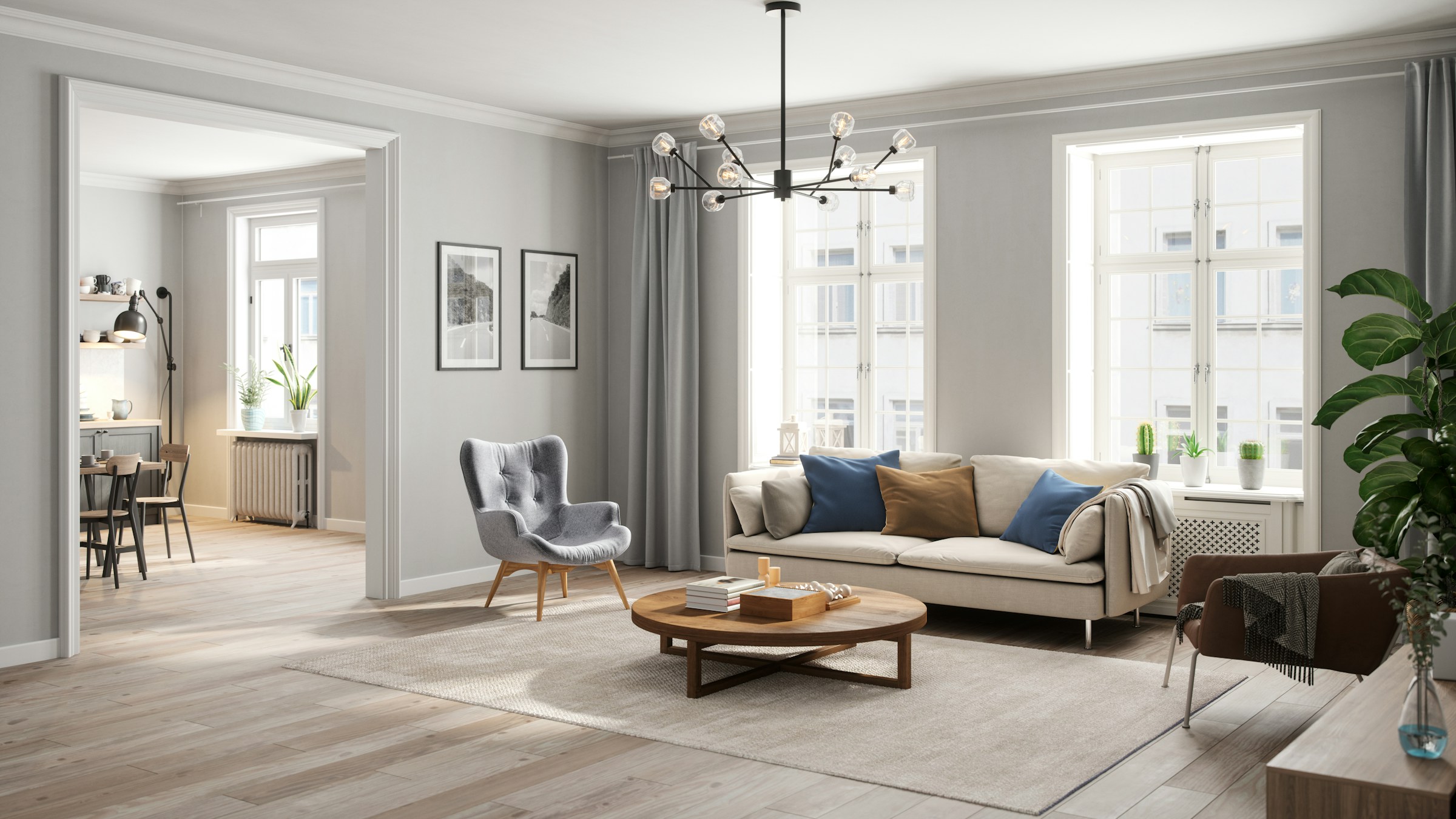
A bright room can feel exposed very fast. It may look lovely in the day, but then you realise how easy it is to see straight in. The usual fix is to cover the whole window, but that often makes the room feel flat and closed. What most rooms need is not full coverage all day. They need the right kind of privacy at the right height and time.
That is where this gets easier. When privacy is handled well, the room still feels open. You keep the daylight, but lose that on-display feeling that makes people close the curtains by mid-afternoon.
Start With When the Room Feels Exposed
Not every room needs the same answer. A front sitting room may feel too open in the day. A bathroom may need to be covered all the time. A bedroom might feel fine until the lights come on at night.
It helps to notice the exact moment the room stops feeling comfortable. In some homes, that happens when people walk past the front window. In others, it is not a daytime problem at all. A lot of rooms only start feeling exposed after dark. Once the lights are on inside, the window stops feeling open and starts feeling see-through.
That is why daytime privacy and evening privacy need different thinking. If you try to solve both with one heavy fix, the room often ends up darker than it needs to be.
Do Not Cover More Than You Need
A lot of people go straight to heavy curtains or blackout panels because they want the problem gone. That works, but it often takes the light with it.
In bright rooms, a full block is not always the best move. Sometimes you only need to cover the lower half of the window. Sometimes you need a soft filter, not a full screen. Sometimes the room just needs a layer that gives privacy without making the whole wall feel shut down.
This is why the best fix often feels smaller than expected. You are not trying to hide the room. You are just trying to make it feel a little less exposed.
Lower Privacy Can Be Enough

In some rooms, you do not need to cover the whole window. If the issue is people seeing in at eye level, the top part can often stay open.
That is why cafe curtains work well in places like kitchens, breakfast spots, and front rooms. They cover the part that feels exposed, but still let daylight come in from above. The room stays brighter, and it does not feel shut off.
This works best in spaces that already get good light. You get a bit of privacy where you need it, and the window still lets the room feel open.
Light-Filtering Options Usually Feel Better
Some rooms need more than a half curtain, but still do not need full blackout. That is where light-filtering shades and simple blinds usually make more sense.
They soften the view from outside without making the room feel gloomy. Some window coverings also help with heat and glare, which matters even more in bright rooms.
In sunnier homes, looking at the kind of window blinds Phoenix homes often use can make the choice easier. The best choices are usually the ones that cut the harshness but still leave the room feeling like daytime.
Sheers Still Have a Place

Sheers can work very well when the room feels too open, but you do not want anything heavy at the window. They are especially useful in living rooms and dining rooms where full privacy is not always needed, but softness is.
A sheer layer changes the room in a quiet way. The light still comes through, but it looks calmer. The window feels less bare, and the room feels less exposed. That can be enough in homes where the view is not direct, but still enough to bother you.
The nice thing about sheers is that they do not make the room feel busy. They help without turning the window into the main feature.
Think About Day and Night Separately
This is the part people often miss. A room can feel private during the day and completely exposed at night. That is because the glass behaves differently once the lights come on inside.
So if a room only feels uncomfortable after dark, the answer may not be changing the whole daytime setup. It may just need a second layer for the evening. A simple blind behind a soft curtain can work well for that. So can a shade that filters light in the day and closes more fully at night.
This kind of layering works because it gives the room options. You are not stuck between fully open and fully closed. The room can shift with the time of day instead of feeling wrong half the time.
Match the Privacy to the Room
A bright bathroom needs a different solution from a bright home office. A bedroom facing neighbours needs more cover than a kitchen facing a garden. A front room may need softness and privacy, while a back room may only need glare control.
That is why it helps to think room by room. One rule across the whole house sounds tidy, but it usually leads to awkward results. Some windows need only a little privacy. Others need much more.
The room should decide. That usually gives a better result than forcing the same treatment everywhere.
Keep the Window Looking Light

Privacy solutions can make a bright room feel smaller if they are too bulky. Thick folds, dark fabrics, or heavy layers can weigh down the whole wall.
That is why simple treatments often look better in bright rooms. A close-fitting shade, a soft sheer, or a lighter curtain fabric keeps the wall feeling open. The room still gets the privacy it needs, but the window does not start feeling like a barrier.
This matters most in small rooms and narrow spaces where one heavy window treatment can change the whole mood.
The Best Privacy Fix Hardly Shows
When privacy is working well, the room still feels like itself. It still gets daylight. It still feels open. You just stop thinking about who can see in.
That is really the goal. Not to hide the room, and not to make it dim. Just to take away that exposed feeling without losing the light that made the space nice in the first place.
A bright room should still feel bright. It should just feel easier to live in once the window is doing a little more for you.
0
Related
Read the full article here