







Your bedroom layout plays a huge role in the quality of your sleep, and how you arrange bedroom furniture influences how quickly you nod off and how rested you feel in the morning.
In this guide, we’ll teach you how to design your bedroom to get a proper night’s rest, covering everything from bed placement to feng shui, lighting, and more.
Start with the bed
The bed is the most important piece of furniture in any bedroom, as it affects the practical flow of the space and your psychological sense of safety while sleeping. So, it’s the best place to start when designing your space.
Here are five key considerations to make about bed placement:
- The bedroom door
Ideally, you should position your bed so you can see the door without being directly in line with it. This creates what’s known as a commanding position (more on that later), and it gives your subconscious a sense of security. Largely because you want to know who might enter the room without feeling exposed or vulnerable when the door opens.
- Wall or window?
Place your bed against a solid wall rather than under a window. Windows lack the supportive feel of a solid surface, which can affect how well you sleep.
Drafts from windows can also disrupt temperature regulation, which is a massive factor for proper rest. And let’s not forget about noise, especially in summer when you might have your window cracked open overnight.
And before you go and move your bed to any wall, remember that placing it too close to external walls can also create cold spots that disturb sleep.
- What about the sides of the bed?
Narrow bedside gaps can make you feel frustrated and stressed, which is the opposite of what a bedroom should do. So, leave at least 60 centimetres of walking space around your bed to prevent the room from feeling cramped.
If you share a bed, make sure both sides have equal access to the door. This prevents one person from having to climb over the other during the night, which can be very annoying!
- Heat and airflow
Temperature plays a huge role in sleep quality, and rooms that are too warm increase nighttime waking. When you’re planning your layout, avoid placing your bed directly next to radiators or other heat sources.
Airflow matters too, and proper ventilation prevents the room from feeling stuffy. So, position wardrobes and larger furniture pieces so they don’t block air circulation from windows.
- Handling an east-facing window
If your bed sits opposite an east-facing window, you’ll get good morning light that can help you wake up naturally. However, it might also let in lamppost light or early dawn light that disrupts sleep. This is worth considering when figuring out your bed placement.
Managing light exposure when planning your bedroom layout


Your bedroom should support darkness at night and natural light in the morning. Why? Because light exposure affects your circadian rhythm, which tells your body when to sleep and wake.
As such, televisions mounted opposite the bed can keep your brain alert at night. If you must have a television in the bedroom, place it at an angle where it’s not the last thing you see before closing your eyes.
Mirrors can also reflect light around the room and wake you up during the night. To get around this, avoid positioning large mirrors where they’ll catch and reflect lights from outside or early morning sun onto your bed.
Apply feng shui bedroom layout principles
Feng shui offers guidelines for bedroom arrangements that support rest and renewal. While the practice has spiritual roots, many feng shui principles align with practical design ideas.
The commanding position mentioned earlier comes from feng shui. This diagonal placement across from the door, with a solid wall behind the headboard, creates what feng shui calls good chi, or energy flow. And from a practical standpoint, it means you feel secure and can rest easier.
When it comes to feng shui bedroom layout ideas, consider matching bedside tables to create visual balance and a sense of calm. This symmetry extends to lamps, artwork, and decorative elements, too. And it doesn’t need to be perfect, but the overall feel should be as harmonious as possible.
You should also avoid placing the bed under overhead beams or sloped ceilings. Feng shui considers these features to create oppressive energy, but practically, they can create a feeling of weight or pressure that affects how relaxed you feel.
Pay attention to furniture height and scale

The height and scale of bedroom furniture both affect how restful the space feels. Low-profile furniture, for example, creates a sense of spaciousness and calm. And to make sure larger furniture doesn’t mess up your sleep, place tall wardrobes and dressers against walls rather than having them jutting into the room.
Your headboard should also be proportional to the bed and room size, while bedside tables should sit slightly lower than the top of your mattress for easy reach.
Remember the practical details
The best bedroom layout ideas balance positioning with practicality. Radiator placement often limits where furniture can go, for example, as you can’t block them without reducing heating efficiency. So, plan your layout around these kinds of fixtures in your bedroom.
Sockets are another important aspect of planning bedrooms for better sleep, so make sure you note where they are before getting started. Also factor in the door and where it swings, as you need clear space for the door to open without hitting furniture.
Consider room size and proportions

Sounds simple, but small bedrooms need different layout approaches than large ones. In a compact room, push the bed against one wall to maximise floor space, and choose streamlined furniture that doesn’t overwhelm the space.
When it comes to large bedrooms, they can feel cold with too much space. Use the bed as a focal point, and use rugs to define the sleeping area and create visual boundaries.
Reduce clutter
Wardrobes, chests of drawers, and bedside tables should all have designated places that make sense for daily use. Because when storage is inconvenient, clothes pile up on chairs and floors. Both of which can affect the calmness you need for sleep.
Plan for layered lighting


Overhead lighting alone doesn’t generally create a great atmosphere for winding down. Instead, you should accommodate different types of lighting for different times of day.
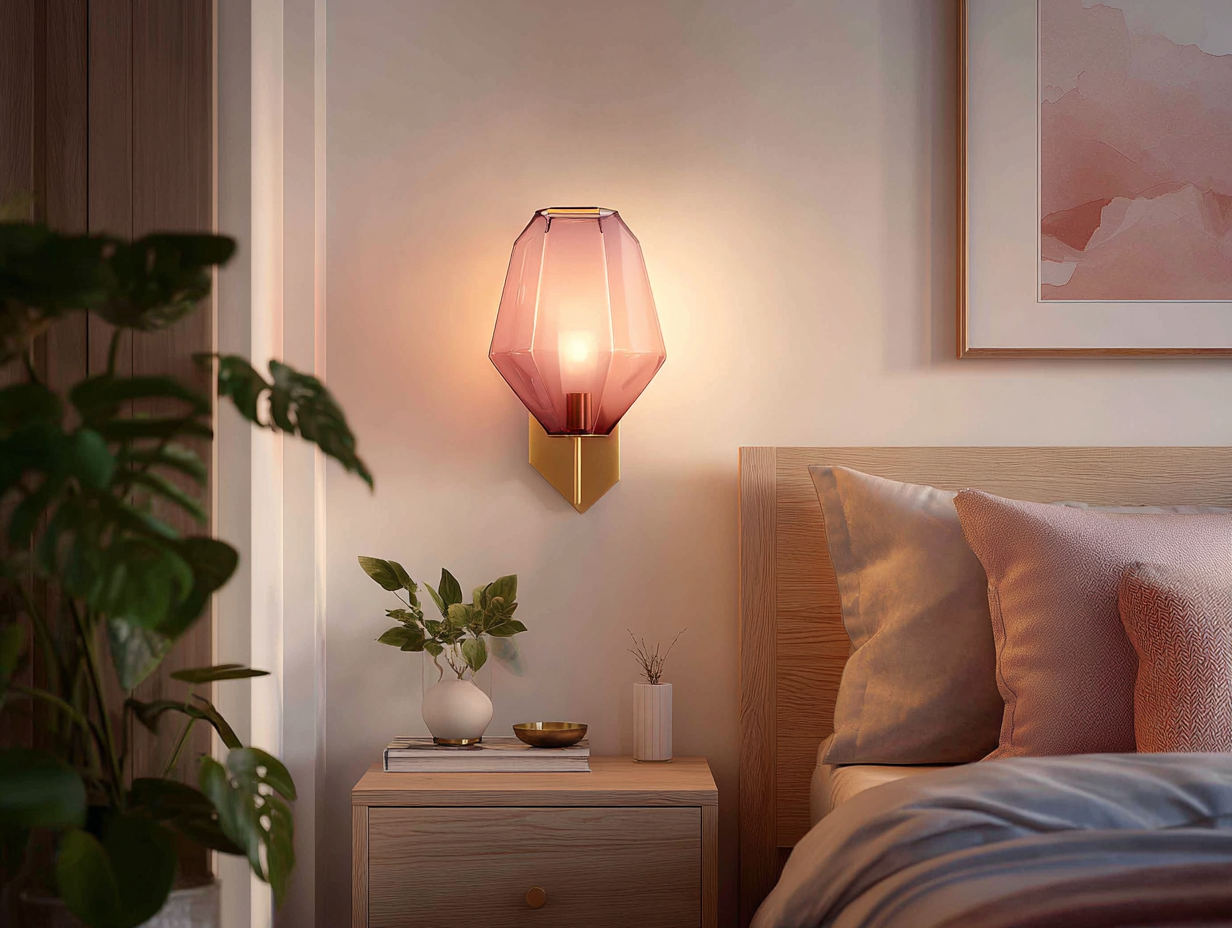
Bedside lamps, for example, provide task lighting for reading without flooding the room with light. They also offer a nice ambient light for when you get into bed. In terms of positioning, place them within easy reach of the bed, but not so that they shine directly into your eyes.
Dimmer switches also let you adjust lighting levels as the evening progresses. This means you can lower the light in the hour before bed to signal to your body that sleep time is approaching.
Get your sleep layout right


Rather than designing your bedroom layout based on rigid rules, understand how different elements affect rest and arrange your space accordingly. And while temperature, bed placement, lighting, and feng shui principles can help you sleep better, pay attention to how your bedroom feels in a more general sense.
Because if a layout makes you feel cramped or unsettled, it won’t support your sleep, no matter how nice it looks. So, trust your instincts as well as the guidelines outlined in this article, and adjust your space until the room feels like a retreat where you can rest properly.
And if it isn’t giving you the sleep you need after a while, don’t be afraid to change things.
0
Related
Read the full article here


