


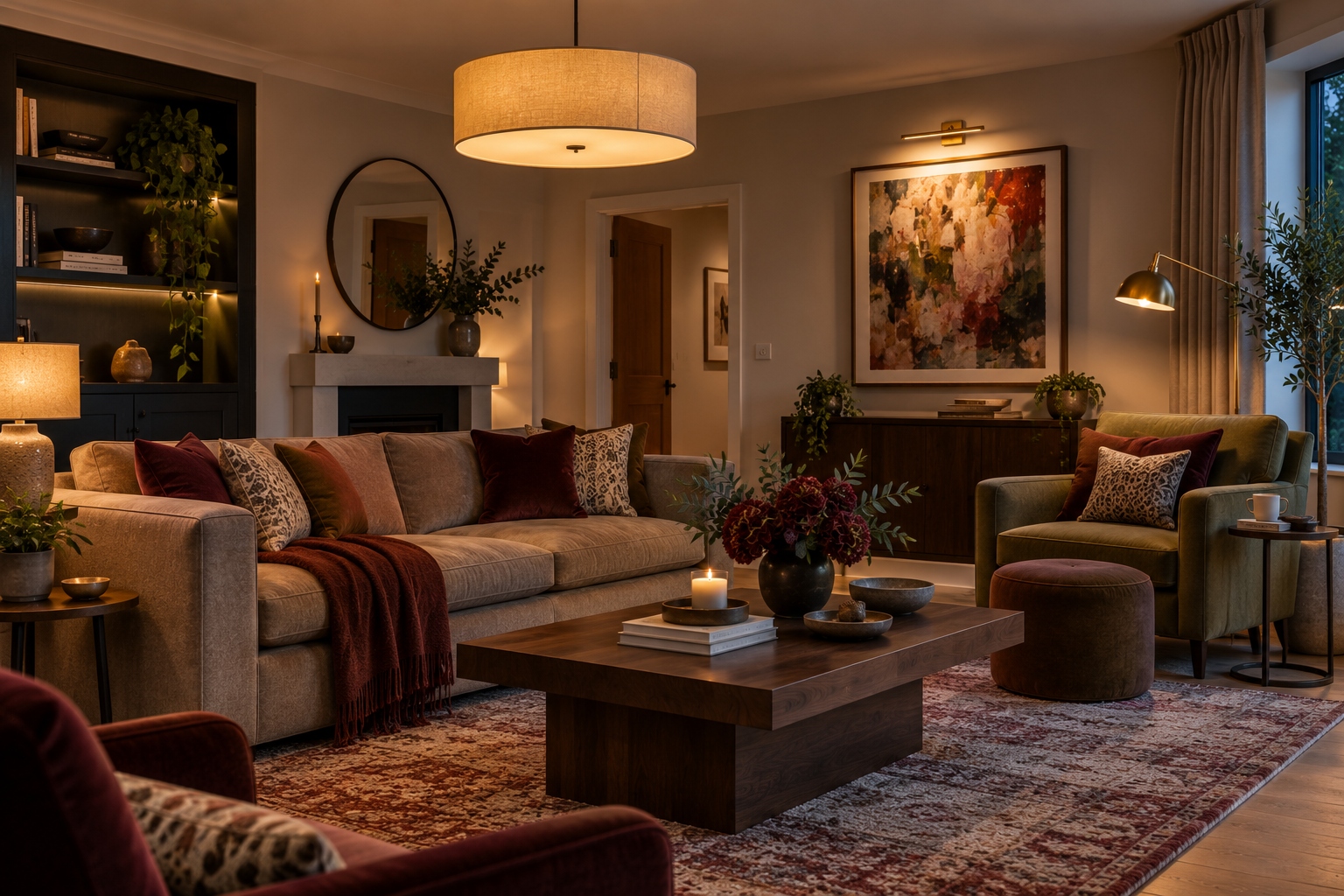
Great lighting in a contemporary home does so much more than just light up a room. It sets the mood, helps define different areas, and really becomes a part of the decor itself. We’re way past the days when a single, lonely ceiling fixture was enough. Today, designers and homeowners are really digging into how light and art can work together to create spaces that are both super functional and deeply personal. When you start thinking about light not just as something practical, but as a creative tool, it opens up a whole world of possibilities for making your home feel vibrant, sophisticated, and totally you.
This approach goes way beyond just hanging a painting on a well-lit wall. It’s about weaving light right into the very look and feel of your home, using it to tell a story, show off cool architectural bits, and completely change the vibe from day to night. Whether it’s through light fixtures that are like sculptures in their own right, or art pieces that glow from within, mixing art and light is one of the most exciting new trends in modern interior design.
Beyond the Bulb: Thinking of Light as an Artistic Medium
To get started with a more creative lighting plan, the first thing you need to do is change how you see things. Instead of just thinking of light fixtures as plain hardware, imagine them as sculptural pieces that add to your home’s overall design. A striking pendant light hanging over a dining table or a row of simple sconces along a hallway can become artistic focal points. They’ll catch your eye and add character even when they’re turned off.
This idea is all about lighting as functional art, where the object’s shape is just as important as the light it gives off. Picture a floor lamp with an elegant, arching stem that looks like a modern sculpture, or a chandelier made of cascading glass that turns daylight into a rainbow. These pieces don’t just light up the room; they interact with the space, casting interesting shadows, adding texture, and helping to tell your room’s story. When you start choosing fixtures for their artistic flair, you begin to build a collection of light sources that enhance your home’s style all day, every day.
Illuminated Art: The Ultimate Fusion of Form and Function

Taking this idea even further, many artists and designers are now putting light right into the artwork itself. This creates a dynamic piece that completely changes with the flip of a switch. During the day, it might look like a textured canvas, a cool graphic print, or a metal sculpture. But at night, built-in LEDs or neon elements bring it to life, casting a soft glow and revealing hidden details or a totally different mood.
This kind of art works especially well in modern spaces that love clean lines and uncluttered surfaces. It gives you both a visual centrepiece and some ambient lighting, doing two jobs in one sleek package. Imagine a piece of abstract LED wall art for living room that offers a subtle, gallery-like feel for quiet evenings. It becomes more than just decoration; it’s an experience. These pieces are often designed to be the main attraction in a room, offering a fresh alternative to a traditional painting or print. They’re perfect for entryways, dining areas, or any spot where you want to make a bold, sophisticated statement that blends technology with creative expression.
Strategic Spotlights: Highlighting Your Existing Collection

You don’t have to swap out all your art to bring light and art together. In fact, one of the best ways to use light is to cleverly highlight the pieces you already own and love. The right lighting can make the colors in a painting pop, bring out the texture of a sculpture, or create a dramatic effect around a cherished photograph.
Here are a few ways to light up your artwork beautifully:
- Picture Lights: These small, dedicated fixtures sit directly above a frame, casting an even light over the canvas. Modern LED versions are sleek, energy-efficient, and barely get warm, so they’re safe for valuable pieces.
For those with a gallery wall or art they like to change around, track lighting is super flexible. You can find more ideas for modern living room lights to give your home a contemporary feel. The adjustable heads can be aimed precisely at each piece, letting you reconfigure your lighting whenever you update your display.
- Uplighting: Place a small canister light on the floor to cast light upward at a freestanding sculpture or a large canvas leaning against a wall. This creates a sense of drama and grandeur. It really emphasizes the object’s form and casts beautiful, long shadows on the wall behind it.
By carefully thinking about the angle, brightness, and color warmth of the light, you can turn a static display into a dynamic focal point.
Layering Light for Ambiance and Impact

A well-designed room rarely relies on just one light source. Instead, it uses multiple layers of light to create depth, flexibility, and atmosphere. Professional designers often talk about three main layers, and understanding them can help you think more artistically about how you light your home. This practice of layering lighting is key to a balanced and beautiful space.
The three layers are:
1. Ambient Light: This is the general, overall light in a room. It’s the foundation of your lighting plan, often coming from ceiling fixtures, recessed lights, or large pendants. Its main job is to make the space safe and easy to use.
2. Task Light: This is focused light for specific activities, like reading, cooking, or working. Think of a desk lamp, under-cabinet lights in the kitchen, or a reading lamp by an armchair.
3. Accent Light: This is the artistic layer. Accent lighting is used to highlight specific features, such as artwork, architectural details, or plants. Picture lights, track lights, and uplights all fit into this category. It’s what adds drama, contrast, and personality to a room.
Combining these three layers helps you create a lighting scheme that is both practical and beautiful. You might use soft ambient light for a relaxed evening, then switch on accent lights to draw attention to your favorite painting. Using dimmers on all layers gives you even more control, letting you fine-tune the mood for any occasion.
The Play of Color and Shadow
Light isn’t just about how bright it is; it’s also about color and its partner, shadow. The color temperature of your bulbs, from warm, yellowish light to cool, bluish light, really changes how a space feels and how your decor looks. Warm light usually feels cozy and inviting, making it perfect for living rooms and bedrooms. Cool light feels more energizing and clean, often used in kitchens and bathrooms. Understanding how light affects paint color is super important, because a gray wall can look warm or cold depending entirely on the bulbs you pick.
Beyond bulb color, smart lighting systems now let you bring dynamic color into your home. While a full-on rainbow effect might be a bit much for every day, a subtle wash of a single color behind a TV or up a textured wall can create a stunning artistic effect. There are many innovative ways to use paint and texture on walls, and the right lighting can make these features really pop. A wall with a Venetian plaster finish or a raw brick surface comes alive when light grazes it from a sharp angle, creating a beautiful dance of highlights and deep shadows. Don’t be afraid to play with shadow as an artistic element. A single, dramatic spotlight on a houseplant can cast a complex, beautiful shadow that becomes a piece of moving art on your wall.
Ultimately, brightening your home is about more than just adding watts. It’s about seeing light as a fluid, expressive medium that can shape your environment. By combining thoughtful fixtures, illuminated art, and smart layering, you can create a contemporary home that is not only well-lit but also a true reflection of your personal style.
0
Related
Read the full article here