



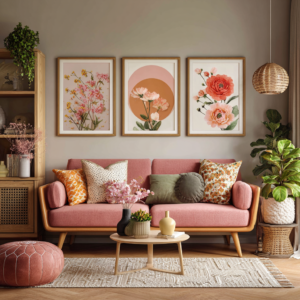



Modern life can be a bit ridiculous. Fast-paced and stressful, if we’re not doing six different things at once, we think we’re slacking. That’s why ‘home’ as a concept has become increasingly important as a place to switch off and unwind. Once we get home and open the door, we’re often confronted with a whole range of other tasks such as cleaning and tidying. Home wellness areas are becoming increasingly popular as a space we can withdraw to to seek a little downtime and calm.
What to have in your home wellness space
The term ‘wellness space’ is very elastic, and depends on what you want – and your space and budget, of course. Not many of us have the room for a fully-equipped gym or swimming pool, while finding space to put down a yoga mat and a couple of candles might be more achievable.
Your wellness space might be a dedicated area, or combine its function with another room such as a bedroom or a home office. Most importantly, your space should make you feel peaceful, grounded and restored.
Why home wellness spaces are becoming more popular
This one’s easy to answer – the pandemic showed many people the importance of having a comfortable, healing space at home. Several years on, many of us are still spending less time in the office that we did, so home wellness areas have continued to play an important role.
Home wellness space ideas
The mindfulness nook


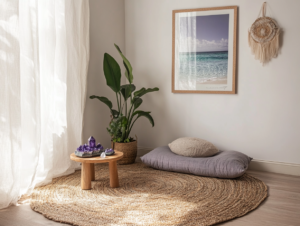
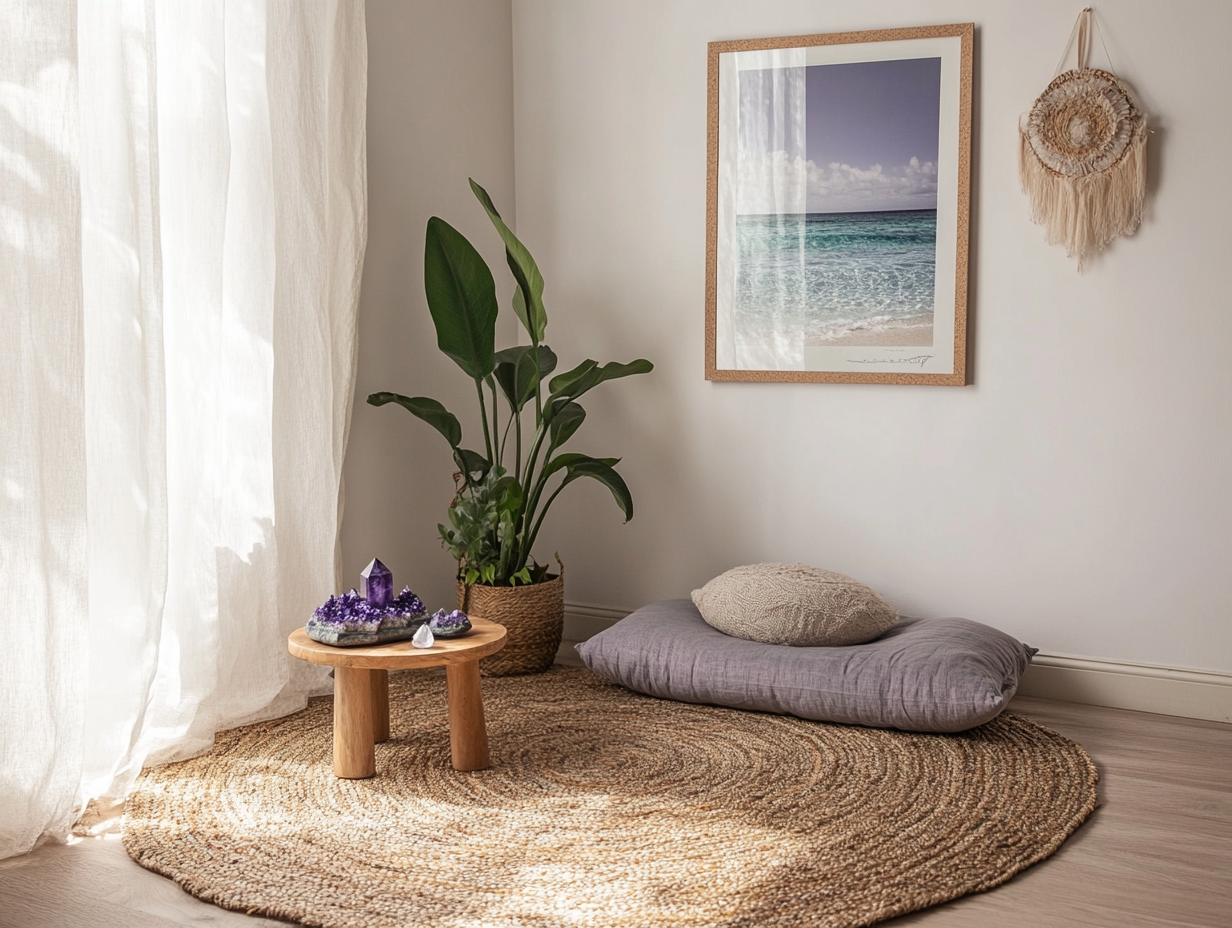
If space is at a premium, screen off a corner of a larger room. Use soft lighting, natural materials, plants and floor cushions to create a haven. This tiny space is ideal for practicing mindfulness, breathing exercises or just escaping into a book.
The spa bathroom


Who says a wellness space can’t be the bathroom?! Calm is where you find it. If you’ve got space for a bathtub, you’re halfway there. Use calming, natural colours of blue, green and brown, add some plants, aromatherapy scents and soft music to turn a routine into a ritual.
The sleep sanctuary
If you have no other space available, re-work the bedroom. You’ll need blackout blinds, a really comfortable mattress, a scent diffuser and a peaceful colour scheme. You’ll also need to leave your mobile phone outside!
The natural space


The absolute pinnacle of a wellness space is one that is either outside and sheltered, or has the ability to be connected to the outside. If you were building from scratch, the ideal would be a heated summer house with glazed doors which could be folded back to maximise outside space when weather allows.
Not many of us have the space and budget for that, but if you can set your wellness space up near a window you can make the best use of natural light and fresh air. Alternatively, you could create a mini Zen garden outside, with a space to sit and meditate. Add in a small fountain or water feature, so you can listen to the soothing sound of water, or hang a wind chime nearby, so you can hear the tinkle of chimes as they blow gently in the breeze.
Designing your own wellness space
If you’re feeling inspired to create a wellness space in your own home, then here’s what to think about.
- Choose your focus. What do you need your space to do for you? Are you in need of calmness, energy, peace or movement? This will help you decide how much room you’re gong to need and how to make it work for you,
- Think achievable. You don’t need to throw a lot of money at your new project. If you’re just planning some breathing exercises or mediation, you just need space to sit down. If you’re thinking of a gym, there are lots of exercises that just need a mat and one or two pieces of small equipment such as resistance bands.
- Use what you have. The chances are you already have pot plants, candles and cushions elsewhere in the house. Improvise until you’re sure your space is going to work for you.
- Choose calming colours. Colour has a surprisingly strong impact on how a space feels. Soft neutrals, muted greens, pale blues and warm earthy tones tend to create a sense of calm and balance. You don’t need to repaint the whole room to introduce these colours either. A simple throw, yoga mat, cushion cover or wall print in a soothing shade can help create a more relaxed atmosphere.
- Layer in soothing textures. Wellness spaces often feel inviting because they appeal to the senses. Think about adding soft, tactile materials that encourage you to slow down and settle into the space. Natural fabrics such as cotton, linen and wool work well, as do woven rugs, soft throws, and supportive floor cushions. Even a simple meditation mat or a comfortable blanket can make the space feel warmer and more welcoming.
- Bring in natural elements. Many people find it easier to relax when nature is present in a room. A few houseplants, a small bowl of stones or shells, or a wooden stool or tray can subtly connect the space to the outdoors. Natural materials like wood, rattan and stone often feel grounding and help soften modern interiors.
- Keep the space uncluttered. A wellness corner doesn’t need a lot of items to work well. In fact, keeping things simple often makes the biggest difference. Try to limit the number of objects around you so the area feels open and peaceful rather than busy or distracting.
Final Thoughts
Creating a wellness space at home does not require a complete renovation or a large budget. In most cases, it is simply about setting aside a small area that supports the way you want to feel. Whether that means a quiet corner for meditation, a gentle stretch before the day begins, or a calming place to unwind in the evening, the intention behind the space is what matters most.
By focusing on simple elements such as calming colours, comfortable textures, natural touches and a clutter-free layout, you can create an environment that helps you slow down and reconnect with yourself. Over time, even a small, thoughtfully arranged corner can become somewhere you naturally gravitate towards when you need a moment of peace or balance.
The most important thing is to create something that works for you. Your wellness space does not have to look perfect or follow any particular trend. It just needs to feel supportive, welcoming and easy to use in everyday life. When a space encourages you to pause, breathe and reset, it has already done its job.
0
Related
Read the full article here


