
Traffic hum, aircraft overhead, a neighbour’s late-night parties. When those sounds start dictating what rooms you use in your own home, most people’s first move is to ring a double glazing firm. That may not always be the best call, because standard double glazing is built to stop heat loss, not sound waves, and the two problems don’t respond to the same fix.
The Soundproof Windows work from the opposite direction. It’s a London-based, engineer-led company that builds bespoke timber soundproof windows, secondary glazing and doors, installing across London with supply-only options available further afield. It’s family-run, and it describes itself as engineer-led rather than sales-led, which shows up in how the actual process is structured.
What Do The Soundproof Windows Offer?
Strip away the marketing language, and this is a joinery and acoustic engineering business. It designs and fits secondary glazing, replacement timber windows and doors specifically to cut noise transmission, rather than treating quiet as a side effect of a new frame.
That distinction matters more than it sounds. A window that keeps rain and draughts out isn’t automatically good at blocking a bus route or a flight path. Acoustic performance depends on glass thickness, the air gap between panes, seal quality, and how the frame sits in the wall opening. Getting all of that right needs someone thinking about sound specifically, not warmth.
The company has picked up recognition for its acoustic products, which fits with an operation built around solving one particular problem well rather than offering a general glazing catalogue.
How the Process Actually Works

Most glazing companies start with a product brochure. This one starts with a diagnosis.
The process begins with identifying the exact source and frequency of the noise causing the problem, rather than assuming every noise complaint needs the same solution. Low-frequency engine noise from a nearby road behaves differently to high-frequency chatter from a beer garden, and the right glazing spec isn’t identical for both.
From there, the work generally follows a few stages:
1. Assessment. An acoustician looks at the property, the noise source, and how sound is actually getting in, including gaps and weak points around the existing frame.
2. Design. Timber windows, secondary glazing, or doors are specified to match that particular noise problem, not a generic soundproof template.
3. Manufacture. Units are built bespoke rather than pulled from a standard size range, which matters for older properties with irregular openings.
4. Installation. Fitting is done with attention to the surrounding opening, since a badly sealed frame undoes the benefit of even the best glass.
The company says its approach can reduce perceived noise by up to 95%, a figure that depends on the specific noise source and how the installation is carried out rather than a fixed guarantee for every property. That’s a wide claim to make with a single number, but it’s presented as a ceiling tied to the diagnosis stage rather than a blanket promise.
Where It Differs From Standard Glazing Firms

The clearest differentiator here isn’t the timber, and it isn’t the acoustics on their own. It’s the two together.
The business combines acoustic engineering with bespoke timber joinery built for period homes, listed properties and conservation areas, which lets homeowners cut noise without swapping out original sash windows or period frames. That’s a genuinely narrow niche. Plenty of secondary glazing firms can install a panel behind an existing window. Far fewer are set up to match timber profiles and glazing bar detail closely enough to satisfy a conservation officer or a listed building consent process.
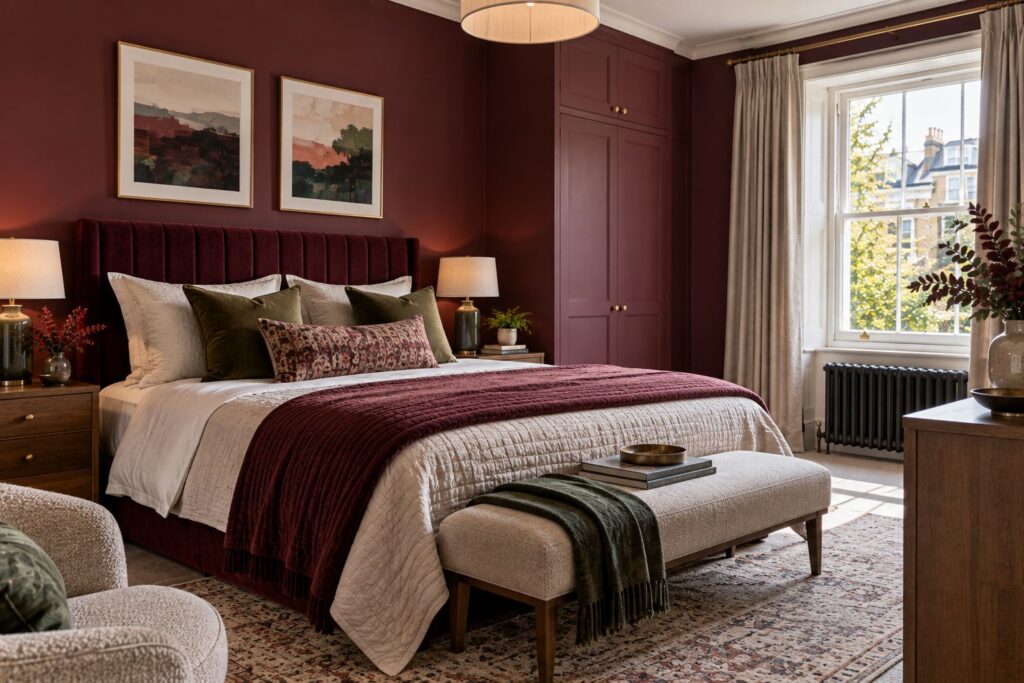
For anyone in a conservation area in London, that’s not a minor convenience. Planning restrictions on visible alterations to period windows can make visible replacement windows more difficult or subject to tighter controls, leaving acoustic sash windows or secondary glazing as close to the only realistic route to quieter rooms. Homeowners dealing with that kind of restriction often find the details that make a home feel solid come down to exactly this sort of quiet, unglamorous joinery work rather than anything visible from the street.
Strengths Worth Noting

- Diagnosis before product. Starting with an acoustic assessment rather than a sales pitch means the glazing spec is tied to the actual noise problem, not a one-size-fits-all panel.
- Heritage-compatible joinery. Bespoke timber construction means listed properties and conservation area homes have a genuine option that doesn’t require replacing original architectural features.
- Installation discipline. Because the surrounding opening is treated as part of the acoustic system, fitting is handled by people who understand that a gap around the frame can undo the benefit of the glazing itself.
- Family-run structure. As a family-run, acoustician-led business rather than a large volume installer, the company’s whole operation is built around one specific problem rather than a general home improvement range.
Honest Drawbacks

No acoustic glazing company escapes a few trade-offs, and this one is no exception.
Bespoke timber joinery for period properties is inherently a slower, more specialist process than ordering off-the-shelf frames. Anyone wanting the fastest possible turnaround on a straightforward modern house might find a standard secondary glazing supplier quicker to book in.
The acoustics-first approach also means the company’s core strength is quite narrow. It’s built around noise reduction and heritage-sensitive joinery, so someone chasing a full home renovation with unrelated structural or design work will need other tradespeople alongside it.
Installation is currently focused on London, with supply-only options for locations outside that area. That’s a real practical consideration if you want the full assessment-to-installation service and you’re not near London.
Who It Actually Suits

This fits a specific kind of homeowner: someone in a period or listed property, in or near London, dealing with a genuine external noise problem, who doesn’t want to lose original windows to solve it. If that’s the situation, the combination of acoustic diagnosis and heritage-matched joinery is hard to find elsewhere in one company.
It suits people who’ve already tried a cheaper fix, like thicker curtains or basic draught-proofing, and found it didn’t touch the actual noise. Homeowners planning a wider set of exterior upgrades might also find it useful to look at broader window upgrade ideas for a home’s exterior alongside the acoustic work, so the visible changes and the noise fix happen as one coordinated project rather than two separate ones.
It’s less suited to someone in a newer property with no heritage restrictions who just wants the cheapest possible secondary glazing panel with no diagnostic stage. Standard suppliers exist for that, and they’ll likely be faster and less involved.
According to the World Health Organization’s guidance on environmental noise, long-term exposure to noise from sources such as road traffic is associated with sleep disturbance and broader health and wellbeing effects. That helps explain why persistent external noise can be more than a minor annoyance and why homeowners may choose to treat acoustic performance as a specific part of a renovation rather than simply a cosmetic upgrade.
The Verdict
The Soundproof Windows isn’t trying to compete with mainstream glazing firms on speed or price. It’s built for a narrower job: diagnosing a real noise problem in a period or listed London property and solving it with timber joinery that doesn’t compromise the building’s original character.
For that specific situation, the acoustics-first process and the heritage joinery focus make it one of the more credible options. For anyone outside that niche, whether that’s a newer property with no conservation restrictions or a location well outside London’s installation area, a standard secondary glazing supplier may be the more practical route. Anyone who fits the brief is better served starting with an assessment than guessing at a product off the shelf.
0
Related
Read the full article here