








Most homeowners worry about obvious problems. A leaking roof. Cracked walls. Flooding after heavy rain. But some of the most expensive damage a home can suffer happens quietly, gradually, and almost completely out of sight.
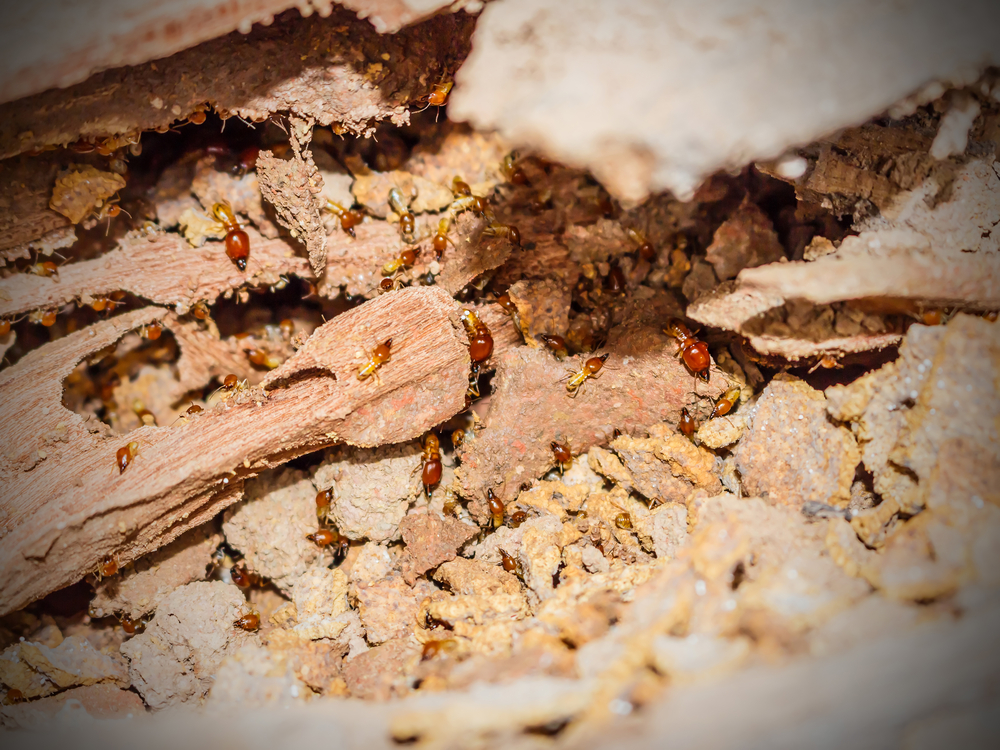
Termites are one of the clearest examples of this. Small, hidden, and easy to overlook, these insects are capable of causing extensive structural damage before a homeowner even realises there is a problem. By the time visible signs appear, repairs can already be costly and disruptive.
For homeowners in termite-prone regions, understanding how termites behave — and how to spot early warning signs — can make a huge difference.
Why Termites Are So Destructive
Unlike many household pests, termites do not simply invade a home looking for scraps of food. They feed on cellulose, the organic material found in wood, paper, cardboard, and many plant products. Unfortunately, that means the structural timber inside a home can become a food source.
What makes termites particularly damaging is the way they work from the inside out. Instead of leaving obvious destruction on the surface, they often hollow timber internally while leaving a thin outer layer intact. A beam, floorboard, or wall stud may look perfectly normal from the outside while being badly weakened underneath.
Because termites typically stay hidden behind walls, under floors, or inside foundations, infestations can continue for months or even years before discovery.
The Types of Termites Found Around Homes
Different regions have different termite species, but the two most commonly discussed in residential properties are subterranean termites and drywood termites.
Subterranean termites usually live underground in large colonies. They build mud tubes to travel safely between soil and timber sources while staying protected from light and dry air. These termites are responsible for a huge amount of structural damage worldwide because colonies can contain hundreds of thousands of insects.
Drywood termites, on the other hand, live directly inside the wood they consume. They do not need contact with soil and can infest roof timbers, furniture, flooring, or wooden framing.
Both types can cause serious damage, but subterranean termites are often considered the more aggressive threat to buildings.
Why Homeowners Often Miss Termite Signs


One reason termite problems become severe is that the warning signs are often subtle.
Homeowners may notice a sticking door or window and assume it is simply caused by humidity. A small crack in paintwork may not seem important. Slightly sagging flooring might be blamed on age. But in some cases, these can all point to hidden termite activity.
Some of the most common warning signs include:
- Hollow-sounding timber
- Bubbling or peeling paint
- Tiny holes in wood surfaces
- Mud tubes along walls or foundations
- Discarded insect wings near windows
- Warped doors or floorboards
- Unexplained cracks in walls or ceilings
- Soft or crumbling timber
Unfortunately, by the time these symptoms become visible, termites may already have caused extensive hidden damage behind the scenes.
What Attracts Termites to a Home?
Termites are strongly attracted to moisture and accessible timber. Homes with damp conditions often face a higher risk because moisture softens wood and creates a more suitable environment for termite colonies.
Several common household conditions can unintentionally encourage termite activity:
Poor Drainage
Water pooling near foundations can increase moisture levels in surrounding soil, making the area more attractive to subterranean termites.
Leaking Pipes and Gutters
Even small plumbing leaks behind walls or beneath sinks can create damp timber that termites find appealing.
Timber Stored Against the House
Firewood stacks, untreated decking, wooden sleepers, and timber fencing positioned close to exterior walls can act as easy entry points.
Dense Vegetation
Overgrown shrubs and heavy planting around a property can trap moisture and hide early termite activity from view.
Cracks in Foundations
Tiny gaps in concrete slabs or foundations may allow termites to enter unnoticed.
In many cases, it is not a single issue that attracts termites but a combination of conditions that create the perfect environment over time.
How Much Damage Can Termites Cause?


The scale of termite damage varies depending on how long an infestation remains undetected. Minor infestations may only affect isolated timber, while severe infestations can compromise major structural elements of a home.
Termites can damage:
- Wall framing
- Roof timbers
- Floor joists
- Skirting boards
- Wooden flooring
- Decking
- Built-in cabinetry
- Furniture
- Fence posts
- Window frames
In extreme cases, structural weakening can become dangerous. Floors may sag, ceilings can become unstable, and load-bearing timbers may require replacement.
Repair costs can quickly escalate, especially when walls or flooring need to be removed to access damaged areas.
How Climate and Weather Patterns May Be Increasing Termite Risks
Climate and weather conditions are becoming an increasingly important part of the conversation around termites. In many regions, experts are seeing changing weather patterns create conditions that allow termite populations to thrive more easily than before.
Warmer temperatures can expand the geographic range of certain termite species, allowing colonies to survive in areas that were previously considered too cool. This means some homeowners may now face termite risks in places where the threat was once relatively low.
Wetter weather can also contribute to the problem. Prolonged rainfall, flooding, and high humidity increase moisture levels in soil and timber, creating the damp conditions termites are naturally drawn to. Homes with poor drainage, leaking gutters, or persistent damp patches may become even more vulnerable during extended wet periods.
Milder winters may also help termite colonies survive for longer without the natural population decline colder temperatures once caused. In some climates, termite activity may continue for more of the year, reducing the seasonal slowdown homeowners previously relied on.
For homeowners, this highlights the importance of staying proactive. Even if termites have not traditionally been a major concern in a particular area, changing environmental conditions could increase the likelihood of infestations over time. Regular inspections, moisture control, and good home maintenance are becoming more important than ever.
Why Prevention Matters More Than Treatment


One of the biggest mistakes homeowners make is waiting until visible damage appears before taking action.
Preventative measures are often far more affordable than major repairs later on. Even simple maintenance tasks can help reduce the risk significantly.
Some practical ways to lower termite risk include:
- Fix leaks promptly
- Improve ventilation in damp areas
- Keep gutters clear
- Avoid storing timber against exterior walls
- Maintain proper drainage around the home
- Trim vegetation away from foundations
- Seal cracks and gaps where possible
- Arrange regular termite inspections in high-risk regions
Many homeowners assume newer properties are automatically protected, but termites can affect homes of almost any age if conditions are suitable.
The Importance of Professional Inspections
Because termites are so skilled at remaining hidden, professional inspections play an important role in early detection.
A trained inspector knows where termites commonly hide and can identify subtle warning signs that homeowners may overlook. In some cases, moisture meters, thermal imaging, or specialised tools may be used to detect hidden infestations behind walls or under flooring.
For people living in termite-prone areas, regular inspections can provide reassurance and help identify problems before they become severe.
This is especially important before buying a property. A home may appear visually sound while concealing significant hidden termite damage.
The Emotional Side of Termite Damage


Beyond the financial cost, termite damage can also be emotionally stressful. A home is often the largest investment people make, and discovering hidden structural problems can feel overwhelming.
Many homeowners describe feeling frustrated that the damage developed silently over time without obvious warning. Others regret dismissing small early signs they did not recognise at the time.
That is why education and awareness matter so much. Understanding the risks allows homeowners to act earlier and make more informed decisions about maintenance and inspections.
Small Pest, Big Consequences
Termites may be tiny, but the damage they cause can be enormous. Their ability to remain hidden while gradually weakening timber structures makes them one of the most destructive household pests in the world.
The good news is that homeowners are not powerless. Paying attention to moisture issues, maintaining the exterior of a property, and arranging regular inspections can all help reduce the likelihood of serious infestations.
Most importantly, homeowners should never ignore subtle warning signs. What appears to be a minor cosmetic issue could actually point to a much larger hidden problem developing beneath the surface.
When it comes to termites, acting early almost always costs less than waiting too long.
0
Related
Read the full article here


