


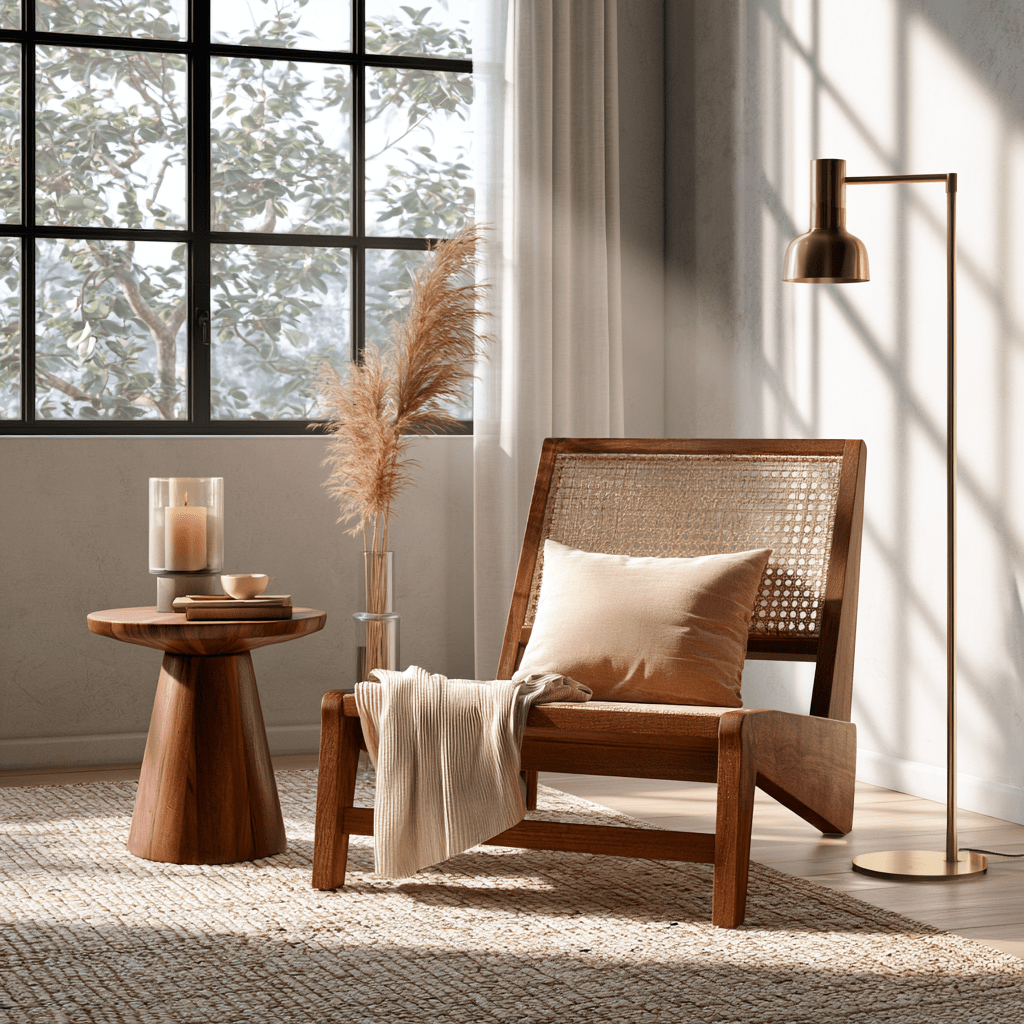
Furniture trends come and go, but low-slung furniture is one look that continues to stand the test of time. Inspired by mid-century modern design and minimalist interiors, low-profile sofas, chairs and beds offer a laid-back aesthetic that feels perfectly suited to contemporary living. Their relaxed proportions create a sense of openness and comfort, making rooms feel both spacious and inviting.
Whether you decide to embrace the trend wholeheartedly or simply introduce a few low-profile pieces into your existing scheme, low-slung furniture can bring a stylish, modern and effortlessly relaxed feel to almost any interior.
Why has low-slung furniture become so popular?
The popularity of low-slung furniture has grown significantly in recent years, alongside the rise of contemporary interior styles such as Japandi, Scandinavian and mid-century modern design. These design movements place an emphasis on simplicity, comfort and a strong connection with the surrounding space, all qualities that low-profile furniture naturally supports. Lower furniture creates an open, uncluttered appearance that many homeowners find calming, particularly in today’s fast-paced world where the home is increasingly seen as a sanctuary from everyday stresses.
The trend also reflects changing lifestyles. Modern homes are often used for a variety of purposes, from working and entertaining to relaxing and spending time with family. Low-slung sofas, chairs and beds encourage a more informal way of living, prioritising comfort and relaxation over traditional, formal arrangements. As open-plan layouts continue to grow in popularity, many homeowners are also drawn to the way low-profile furniture helps maintain a sense of spaciousness and visual flow throughout the home.
Low-slung furniture and ceiling height
One of the biggest advantages of low-profile furniture is the way it can alter the perceived proportions of a room. By keeping seating and beds closer to the floor, more wall space remains visible above them, which naturally draws the eye upwards and can make ceilings appear higher than they really are. This visual trick is widely used by interior designers to create a greater sense of openness and airiness.
Low-slung furniture can be particularly beneficial in apartments, loft conversions, period cottages and other homes where ceiling heights may be limited. Rather than filling the room with bulky, oversized pieces, lower furniture helps maximise the available space and prevents the room from feeling cramped or top-heavy. In larger rooms, low-profile furniture can also create a luxurious, gallery-like feel, allowing architectural details, artwork or large windows to become the main focus.
What classes as low-slung furniture?

In order to qualify as low-slung, chairs, beds and sofas should have a lower profile than traditional furniture. While ‘standard’ furniture typically measures around 17 to 19 inches from the floor to the bottom of the seat, low-slung furniture usually measures only 12 to 18 inches. Perfect for a laid back lifestyle, this lower profile creates a sense of intimacy.
Low-slung furniture is often raised on slim legs of wood or metal, emphasising clean lines and a minimal look. It is usually in a fairly plain style, lacking ornate detailing or heavy patterns. This all adds to a contemporary look.
The decreased height means that visually these pieces work well in small spaces. They’re also conducive to open plan living spaces, as the lower height means that they don’t break the flow of the room.
Best interior styles for low-slung furniture
Low-slung pieces work especially well in a range of contemporary interior schemes. In Japandi interiors, they reinforce the style’s emphasis on calm, simplicity and natural materials, helping to create serene spaces inspired by both Japanese and Scandinavian design principles. Mid-century modern rooms frequently feature low-profile sofas and lounge chairs with slender wooden legs, making this style a natural partner for low-slung furniture.
Contemporary minimalist interiors also benefit from the clean lines and understated appearance of low-profile pieces. Their streamlined silhouettes help maintain a clutter-free aesthetic while still providing comfort and functionality. Even industrial-style spaces can be softened by introducing low-slung seating, which adds warmth and creates a more relaxed and inviting atmosphere. Because of their versatility, low-profile pieces can easily be incorporated into eclectic interiors too, balancing bolder decorative elements without overwhelming the space.
Choosing the right low-slung sofa

Not all low-profile seating offers the same level of comfort, so it is important to look beyond appearance alone when making a purchase. Before buying, consider factors such as seat depth, seat height and cushion firmness. Deep seats create a relaxed lounging experience, but they may not suit everyone, particularly taller people or those who prefer a more upright sitting position.
Cushion support is equally important. A sofa that sits low to the ground but provides firm, supportive cushioning can be far more comfortable for everyday use than one with overly soft cushions that are difficult to rise from.
If possible, visit a showroom and try several designs before making a decision. Since low-slung furniture encourages a different seating posture from traditional sofas, taking the time to test various options can help ensure you choose a piece that suits both your lifestyle and comfort preferences.
Benefits of low-slung furniture
- It can be more comfortable. The lower seating position is more casual and less formal. Low chairs and sofas are designed for lounging in, perfect for relaxing and socialising.
- Low-slung furniture can help you create a clean, modern look. Pair it with eye-catching artwork or textured rugs to add interest.
- It helps you to optimise space, and helps prevent a room from looking too cluttered.
- Can make ceilings appear higher and spaces feel larger by leaving more wall area visible above the furniture.
- Works especially well in open-plan layouts, preserving sightlines and maintaining the flow between different zones.
- Complements a wide range of interior styles, including Scandinavian, Japandi, minimalist and mid-century modern schemes.
- Creates a cosy, intimate atmosphere that encourages relaxation and casual living.
- Often features simple, timeless designs that are less likely to date quickly.
Disadvantages of low-slung furniture
- The main issue with low-slung furniture is that it can be more difficult to get up from! This makes it less-than-ideal for people with reduced mobility.
- It’s designed to be less obtrusive than conventional furniture, which may lead to your space lacking a focal point. You can counteract this by bold colour choices, or by adding an alternative focal point such a mirror.
- Can make a room feel lacking in a focal point if not balanced with artwork, statement lighting or decorative accessories.
- May not be practical for every household, especially those with elderly family members or very tall people.
- Tends to collect dust, pet hair and debris more easily because it sits closer to the floor.
- Some designs offer less under-furniture storage space than raised, conventional pieces.
- Deep, relaxed seating may not be comfortable for activities such as reading, working or formal entertaining.
- Very low pieces can sometimes feel impractical in family homes with young children or energetic pets.
If you’re moving from conventional furniture to low-slung pieces, then make sure you look at a variety of designs before you commit. It’s particularly important that you actually sit on them before purchase, to make sure that the more relaxed seating position is for you.
How to style a room with low-slung furniture

When decorating with low-slung furniture, it is important to maintain balanced proportions throughout the room. Because the furniture sits lower to the ground, the eye can sometimes be drawn too strongly towards the lower half of the space, making the room feel visually flat. To counter this, incorporate elements that add height and encourage the eye to travel upwards.
Oversized artwork, statement mirrors, floor lamps, tall houseplants and open shelving can all help create visual balance. Layering textures through cushions, throws and rugs will add warmth and ensure the space feels cosy rather than sparse.
In open-plan rooms, a large rug placed beneath low seating can help define separate living zones while maintaining the airy, uncluttered feel that makes low-profile furniture so appealing. Mixing natural materials such as wood, linen, wool and rattan can further enhance the relaxed, contemporary aesthetic.
Caring for low-slung furniture
Because low-slung furniture sits closer to the floor, it can be more exposed to dust, pet hair and everyday debris than conventional furniture. Regular vacuuming beneath and around the furniture will help keep it looking its best and prevent dust from accumulating in hard-to-reach areas.
Furniture raised on slim legs is generally easier to clean underneath than pieces that sit directly on the floor. If you have pets or young children, choosing durable, stain-resistant upholstery fabrics can also help maintain the furniture’s appearance over time. Rotating and plumping seat cushions regularly will help preserve their shape and comfort, while following the manufacturer’s care instructions for cleaning and maintenance will ensure your furniture continues to look stylish for years to come.
Low Slung Furniture Picks
Here are some of our top picks of low slung furniture.


0
Related
Read the full article here