


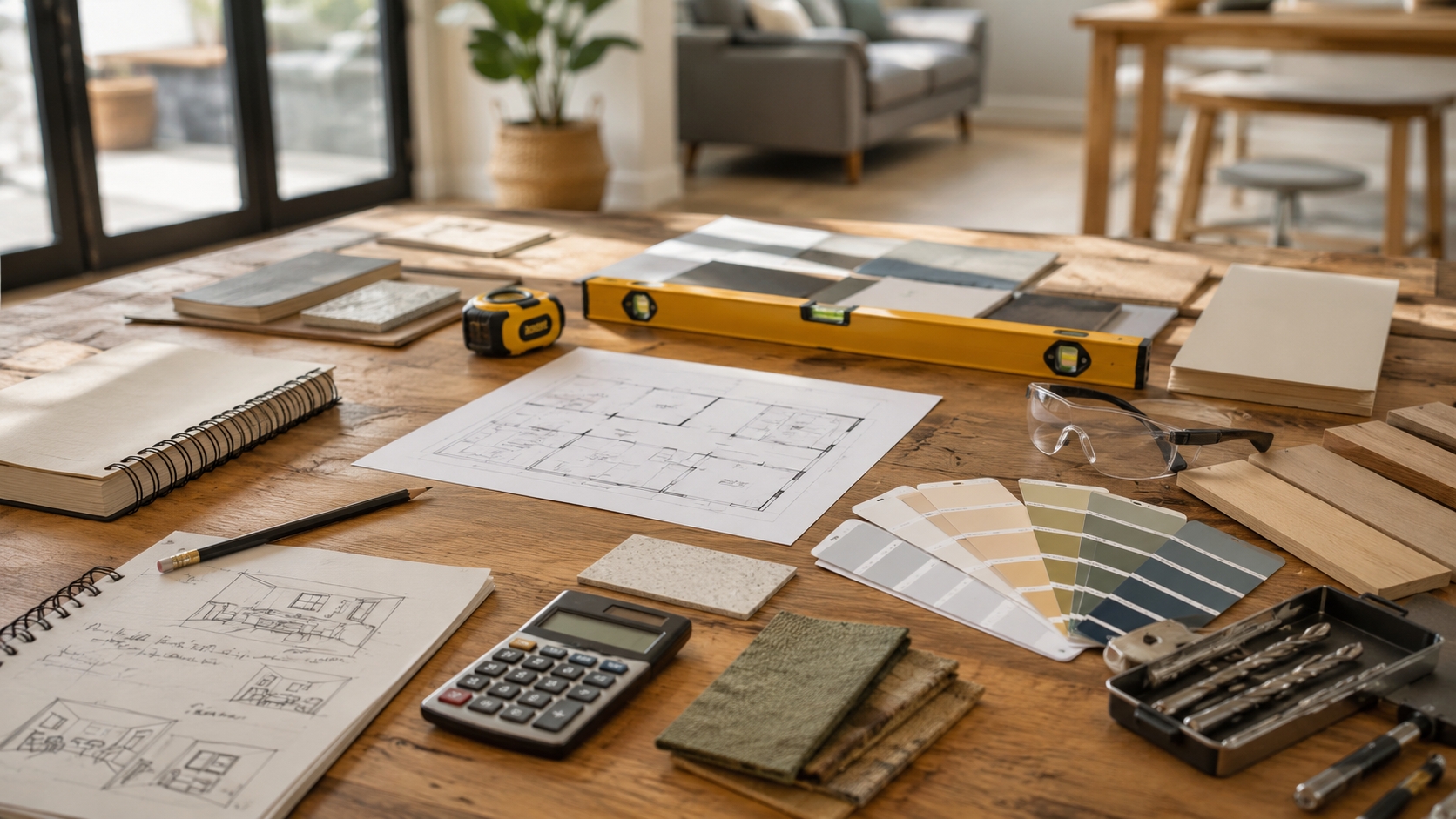
Home improvement projects can be one of the most rewarding ways to enhance a property, whether that involves refreshing a tired room, renovating a kitchen, restoring furniture, or tackling long-overdue repairs. However, many projects end up costing far more than expected due to avoidable mistakes made during the planning and execution stages. One common mistake homeowners make is focusing solely on upfront costs rather than choosing quality power tools over cheaper alternatives, which can often lead to additional expense, frustration, and replacement costs later. Alongside tool selection, factors such as planning, preparation, budgeting, and realistic expectations all play an important role in determining whether a project runs smoothly.
While DIY improvements can save money and provide a sense of achievement, overlooking key details can result in wasted materials, project delays, and disappointing results. Understanding some of the most common pitfalls can help homeowners complete projects more efficiently and achieve better outcomes.
Failing to Plan Before Starting
Many home improvement problems begin before any work has actually started. It can be tempting to jump straight into a project, particularly when enthusiasm is high, but inadequate planning often creates avoidable complications later.
Inaccurate measurements are one of the most common issues. Ordering flooring, wallpaper, shelving, or furniture without carefully measuring the available space can result in costly mistakes and delays while replacements are sourced. Similarly, underestimating the amount of materials required may mean multiple trips to suppliers and unnecessary interruptions to the project.
Budgeting mistakes are equally common. Homeowners often focus on the primary costs while overlooking items such as fixings, consumables, protective coverings, paint accessories, or waste disposal. Unexpected issues may also emerge once work begins, particularly in older properties where hidden damage or previous repairs may only become apparent after surfaces are removed.
Taking time to create a realistic budget, schedule, and materials list can significantly reduce stress and help projects stay on track.
Choosing the Wrong Tools for the Task
The tools used during a project can have a major impact on both the quality of the finished result and the overall experience of completing the work.
Using unsuitable equipment often leads to frustration and slower progress. For example, attempting to cut materials with the wrong tool can create rough edges, inaccurate cuts, and unnecessary waste. Similarly, using equipment that lacks sufficient power or precision can make even simple jobs far more difficult than they need to be.
Poor tool selection can also increase the risk of damaging materials. A mistake made while drilling, cutting, sanding, or fixing components can quickly become expensive if replacement materials are required.
While homeowners do not necessarily need professional-grade equipment for every project, investing in appropriate tools for the work being undertaken can improve efficiency, reduce frustration, and contribute to a higher-quality finish.
Skipping Surface Preparation

Preparation is often the least exciting stage of a home improvement project, but it is frequently the most important.
Whether painting walls, refinishing furniture, installing flooring, or carrying out repairs, the final result is heavily influenced by the quality of the preparation work completed beforehand. Unfortunately, many homeowners rush through this stage or skip it entirely in an attempt to save time.
Painting directly over damaged surfaces, failing to clean walls properly, neglecting sanding, or ignoring small repairs can all lead to poor finishes that become noticeable once the project is complete. Flooring installations can also suffer if subfloors are not properly prepared before new materials are laid.
Taking the time to repair imperfections, clean surfaces thoroughly, and prepare materials correctly often delivers far better results and reduces the likelihood of future problems.
Buying Based Solely on Price
Keeping costs under control is important, but selecting products based entirely on the lowest price can sometimes create additional expenses later.
Lower-cost materials and equipment may appear attractive initially, particularly when working within a limited budget. However, cheaper options can sometimes offer reduced durability, lower performance, or a shorter lifespan compared with higher-quality alternatives.
This does not mean that the most expensive product is always the best choice. Instead, homeowners should focus on value rather than price alone. A product that performs reliably for many years often represents a better investment than a cheaper alternative that requires early replacement or additional maintenance.
Considering long-term performance alongside upfront cost can help homeowners make more informed purchasing decisions.
Ignoring Basic DIY Safety

Safety is often overlooked during home improvement projects, particularly when tasks appear relatively straightforward.
Simple precautions can make a significant difference. Wearing appropriate eye protection when cutting, drilling, or sanding materials helps reduce the risk of injury. Ensuring ladders are positioned correctly and used safely can prevent falls. Adequate ventilation is particularly important when working with paints, adhesives, sealants, and other products that may release fumes.
Workspace organisation is another important factor. Cluttered work areas increase the risk of trips, falls, and accidental damage. Taking a few extra minutes to organise materials and equipment can contribute to a safer and more efficient working environment.
A strong focus on safety not only protects homeowners but also helps prevent costly mistakes and project setbacks.
Taking on Projects Beyond Your Skill Level
DIY skills can develop significantly over time, but it is important to recognise when a project may require professional assistance.
Many homeowners successfully complete decorating projects, furniture restoration, shelving installations, and various maintenance tasks. However, some jobs carry greater risks and may require specialist knowledge or qualifications.
Structural alterations, major plumbing work, electrical installations, and roofing projects are examples where professional expertise may be advisable. Mistakes in these areas can create safety risks, lead to expensive repairs, or potentially affect insurance and regulatory compliance.
Being realistic about personal experience and capabilities can help homeowners avoid unnecessary complications while still enjoying the benefits of DIY projects where appropriate.
Forgetting About Long-Term Maintenance

Completing a project often feels like the finish line, but ongoing maintenance plays a vital role in preserving both appearance and performance.
Exterior timber, painted surfaces, decking, and many other materials require periodic maintenance to remain in good condition. Protective coatings may need reapplication, sealants may require inspection, and regular cleaning can prevent dirt and moisture from causing premature deterioration.
Neglecting maintenance can shorten the lifespan of completed work and increase long-term costs. By building maintenance requirements into project planning from the outset, homeowners can protect their investment and reduce the likelihood of future repairs.
Making the Most of Your Home Improvement Projects
Successful home improvement projects rarely happen by accident. They are usually the result of careful planning, realistic budgeting, thorough preparation, suitable tools, and attention to detail throughout every stage of the process.
Avoiding common mistakes such as poor planning, inadequate preparation, unsafe working practices, and focusing solely on the lowest price can help homeowners achieve better results while reducing stress and unnecessary expense. Whether tackling a simple room refresh or a more ambitious renovation project, thoughtful decision-making often proves just as important as the work itself.
FAQs
What are the most common home improvement mistakes homeowners make?
Some of the most common mistakes include poor planning, inaccurate measurements, unrealistic budgets, skipping preparation work, using unsuitable tools, and underestimating the complexity of a project.
How can I avoid overspending on a renovation project?
Creating a detailed budget, allowing for contingency costs, accurately measuring materials, and researching products before purchasing can help reduce the risk of unexpected expenses.
Why does tool quality matter for DIY work?
Appropriate, reliable tools can improve efficiency, reduce frustration, help achieve better results, and minimise the risk of damaging materials during a project.
When should I hire a professional instead of doing the work myself?
Projects involving structural changes, major electrical work, complex plumbing, or roofing repairs often benefit from professional expertise due to safety considerations and technical requirements.
What preparation should be completed before starting a home improvement project?
Preparation may include measuring accurately, creating a budget, sourcing materials, preparing surfaces, organising tools, and ensuring a safe workspace before work begins.
How can I improve the efficiency of DIY renovation work?
Planning ahead, using suitable tools, preparing surfaces properly, working methodically, and allowing adequate time for each stage of the project can help improve efficiency and overall results.
0
Related
Read the full article here