

Close Menu
Wow Home GuideWow Home Guide
  • Home
  • News
  • Decor
  • Interior Design
  • Home Furnishings
  • Architecture
  • Accessories
  • More Articles
Trending

Garden Design Ideas for Larger Properties ~ Fresh Design Blog

August 4, 2026

Designer Children’s Wallpaper Top 10 ~ Fresh Design Blog

August 2, 2026

Complete Conversions Guide ~ Fresh Design Blog

August 2, 2026
Facebook X (Twitter) Instagram
Wow Home GuideWow Home Guide
  • Privacy
  • Terms
  • Contact
Facebook X (Twitter) Instagram Pinterest
Subscribe
  • Home
  • News
  • Decor
  • Interior Design
  • Home Furnishings
  • Architecture
  • Accessories
  • More Articles
Login
Wow Home GuideWow Home Guide
Home»News»How To Create a Mini Pond Wildlife Haven ~ Fresh Design Blog
News

How To Create a Mini Pond Wildlife Haven ~ Fresh Design Blog

News RoomBy News RoomJune 20, 2026No Comments4 Mins Read
Share Facebook Twitter Pinterest LinkedIn Tumblr Email

While not many of us can dream of having a large pond or full-sized water feature in our gardens, mini ponds are accessible to all – even if you don’t have a garden at all.

All living things need water, and having a mini pond is excellent for improving biodiversity. It can help support wildlife such as birds and insects, and can be an attractive focal point. They’re cheap or even free to create, too – all you need is a large container and a little imagination. The larger the container you can find, the better, as it will give you more scope for planting and ‘pondscaping’.

What to think about when creating your mini pond

Photo by futoro_112 via Pixabay

The most important thing is that wildlife will need good access to the water – and a safe exit point. If you’re using a smooth-sided container such as an old Belfast sink, smaller animals may fall in and get stuck. Create exit and access ramps by piling stones against the inside and outside of the container, or position planks of wood. You can also position some additional rocks and plants around the outside to provide cover for shyer animals.

Water is essential to the lifecycle of the dragonfly, as it lays its eggs underwater. They then spend much of their early life underwater before hatching and emerging as the beautiful, delicate insects we know. Image by DerWeg via Pixabay

You can sink your container in the ground, if you want to, but it’s certainly not obligatory. Above-ground containers work just fine, and are easier to maintain as they involve less stooping down. Whatever you choose, you may want to fence it off from curious pets and small children.

Old metal containers can work well as mini ponds. Watch out for signs of it rusting through, though! You can always add an inner liner to be on the safe side. If you’re using a metal container, put it in a shady area so that it doesn’t heat up to much and evaporate the water. Photo by MrsBella via Pixabay

Your pond may be pint-size, but it will still need some maintenance. You’ll need to clear it of leaves and other debris regularly, top it up in hot weather and remove ice in the winter. Standing water can also attract mosquitoes, so you can mitigate this by installing a pump to keep the water moving. Planting oxygenating plants will help, too.

Hedgehogs can become dehydrated, particularly in hot or dry weather. Make sure you create sloping access to your pond to allow them to drink safely. Photo by alsen via Pixabay

How to create a mini pond

First, choose your container. Large tubs, old sinks, half barrels and even large washing up bowls all work well. If your container isn’t 100% waterproof, you’ll also need to line it with something.

Ideally, choose a site in semi-shade that’s not too near trees or other mature shrubs, or you’ll be forever clearing up leaves.

Position the container in its final place, and put some large rocks and gravel in the bottom. Add some small water plants, such as miniature water lilies – three or four different species works well for biodiversity.

Even bees need water! Honey bees in particular need a source to water to help with honey product. Photo by diegods72 via Pixabay

Fill the pond, ideally using rainwater, which is better for promoting biodiversity. Any subsequent top ups should be done with rainwater, too.

Sit back and wait. It will take a little while for local wildlife to discover the new facility in town, but you’ll soon be visited by a variety of feathered and furry critters.

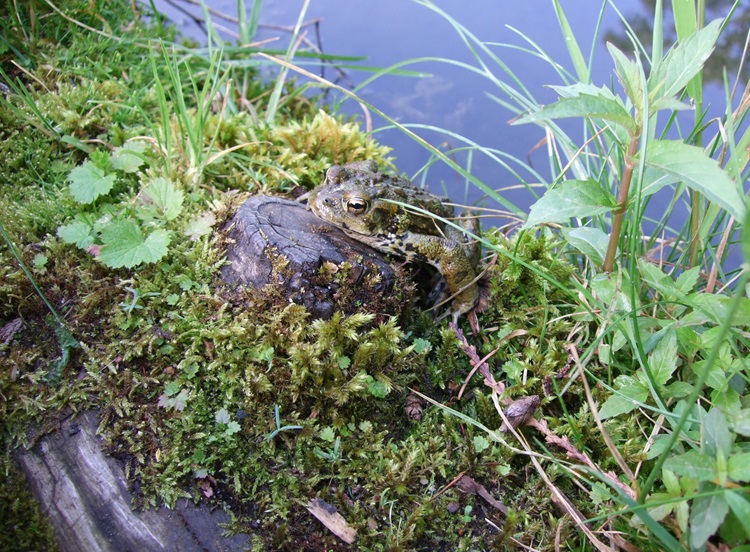
Main image by Logan Preddy via Pixabay

0

Related


Read the full article here

Share. Facebook Twitter Pinterest LinkedIn Tumblr Email

Related Posts

Garden Design Ideas for Larger Properties ~ Fresh Design Blog

August 4, 2026

Designer Children’s Wallpaper Top 10 ~ Fresh Design Blog

August 2, 2026

Complete Conversions Guide ~ Fresh Design Blog

August 2, 2026
Add A Comment
Leave A Reply Cancel Reply

Don't Miss
News

Designer Children’s Wallpaper Top 10 ~ Fresh Design Blog

When it comes to decorating kids rooms, designer children’s wallpaper is all the rage. If you…

Complete Conversions Guide ~ Fresh Design Blog

August 2, 2026

How To Choose a Waterfall Shower Head ~ Fresh Design Blog

July 31, 2026

A Material Worth Understanding ~ Fresh Design Blog

July 29, 2026
Top Articles

Should I Use Wallpaper For a Bathroom? Essential Guide ~ Fresh Design Blog

July 27, 2026

What Colours Go With Sage Green? Decorating Guide ~ Fresh Design Blog

July 24, 2026

Top Hosting Ideas ~ Fresh Design Blog

July 23, 2026

The Fresh Design Guide To Floor Rugs ~ Fresh Design Blog

July 20, 2026
Stay In Touch
  • Facebook
  • Twitter
  • Pinterest
  • Instagram
  • YouTube
  • Vimeo
  • Home
  • Privacy Policy
  • Terms of use
  • For Advertisers
  • Contact
© 2026 Prices.com LLC. All Rights Reserved.

Type above and press Enter to search. Press Esc to cancel.

Sign In or Register

Welcome Back!

Login to your account below.

Lost password?