







I’ve designed and built a lot of kitchens. And after all of them, I’ve come to believe that the best kitchen remodels share something in common: they don’t just look better than what they replaced, they work better too.The most successful renovations I’ve been part of happen when homeowners approach the design process with equal attention to function and aesthetics, because in a kitchen, the two are inseparable.
This is a guide to kitchen remodel ideas that actually improve your life in the kitchen — not just a list of trend-forward finishes, but a deep look at the decisions that matter most.
Start with How You Actually Use Your Kitchen
Before you look at a single inspiration image, sit down and think honestly about how your household uses the kitchen. Do you cook complex multi-dish meals regularly, or is the kitchen primarily used for quick weeknight dinners and weekend breakfasts? Do you entertain frequently, with guests congregating in the kitchen? Do children use the kitchen for homework and snacks while meals are being prepared?
These aren’t abstract questions. They determine whether you need a kitchen island or a peninsula, whether you need two ovens or one, whether a farmhouse sink makes sense for your actual washing habits, and whether open shelving is a design choice you’ll love or one you’ll be dusting constantly and regretting within six months.
In my experience, the homeowners who are most satisfied with their renovated kitchens are the ones who designed for their real life, not the aspirational version of it. Design for who you are, not who you’d like to be.
Layout: The Foundation of Every Good Kitchen
Layout improvements deliver more functional return than any other kitchen remodel decision. The classic work triangle — refrigerator, sink, range in a triangular arrangement — is still valid as a planning principle, but modern kitchen design has evolved it into the concept of work zones: prep zone, cooking zone, cleaning zone, and storage zone, each positioned to minimize unnecessary movement.
Opening a wall to create a kitchen-to-living-room connection is one of the most transformative structural changes in kitchen remodeling. I’ve done this in dozens of projects, and the result consistently feels like gaining 30 percent more usable space even though the square footage hasn’t changed. The kitchen becomes part of the social space of the home rather than a separate working room.
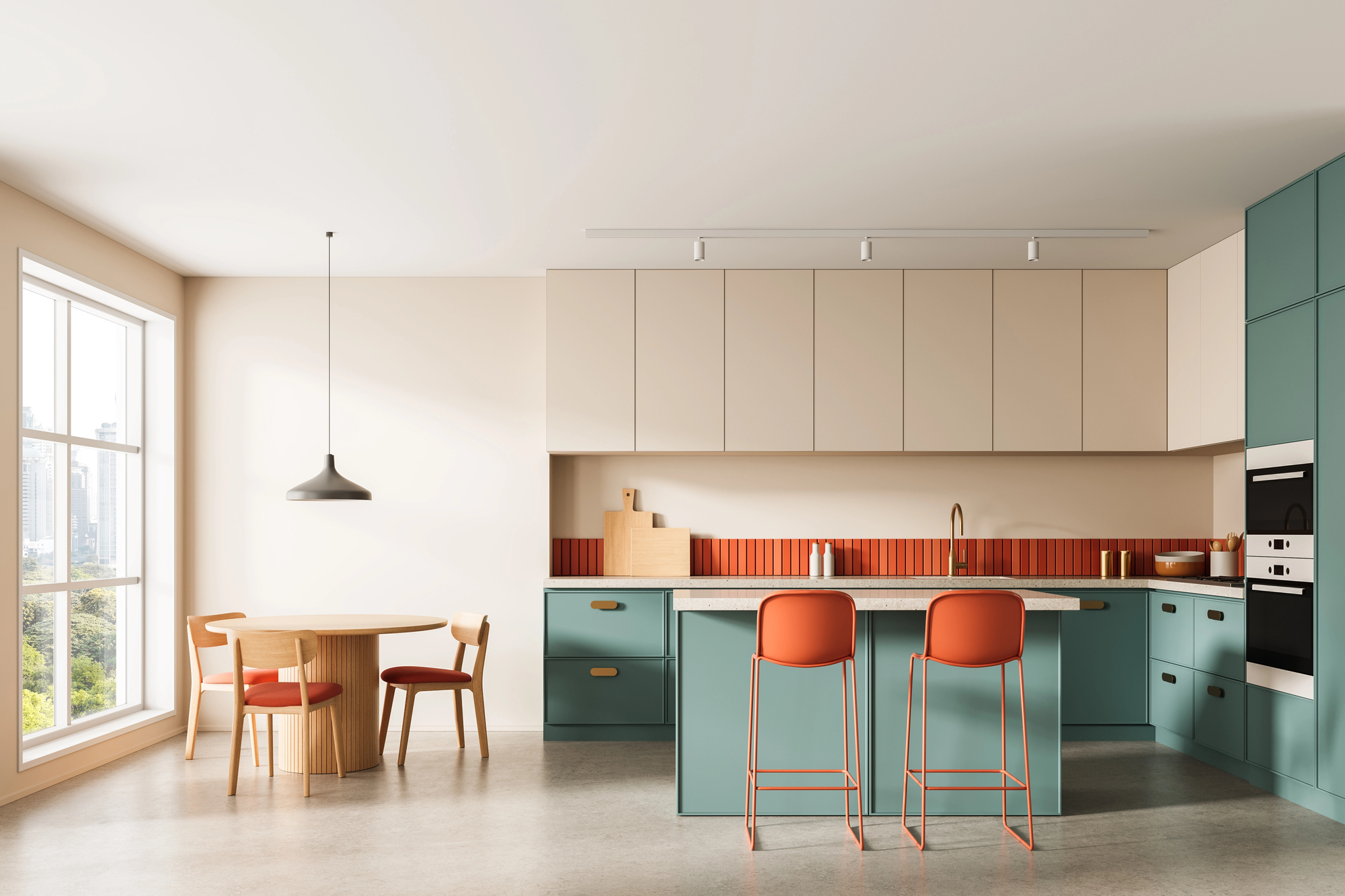
Adding a kitchen island is the most requested single feature in kitchen remodels I manage. Done well, an island adds prep surface, seating, storage, and a social gathering point all in one. The keys to doing it right: ensure at least 42 inches of clearance on all working sides (48 inches is better), design the island storage for what you actually need to store, and include electrical outlets in the island for small appliances.
Cabinet Ideas That Improve Both Style and Function


Cabinets define the visual character of a kitchen more than any other element. They’re also one of the most critical functional decisions, since how you store and access your kitchen tools, cookware, and pantry items affects how the kitchen works every single day.
Floor-to-ceiling cabinetry is one of my strongest functional recommendations. Most kitchens waste the vertical space between the top of upper cabinets and the ceiling — a zone that’s perfectly usable for storing seasonal items, serving pieces, and bulk pantry goods. Running cabinets all the way to the ceiling eliminates the dust-collecting cabinet tops and adds meaningful storage capacity.
Pull-out drawers inside base cabinets are a functional upgrade that makes an immediate difference in how the kitchen works. Standard base cabinets with shelves require you to dig past front-row items to reach anything stored at the back. Full-extension pull-out drawers give you instant access to everything in the cabinet. I retrofit these into virtually every kitchen I renovate, and homeowners notice the difference from day one.
For cabinet hardware, I’m consistent about recommending investment-grade products because kitchen hardware takes far more wear than most people account for. In recent projects, I’ve sourced through HanoDecor for both pull hardware and hinges, and the quality has consistently met the standard I need for kitchens that will see heavy daily use. The hardware finish matches consistently across a full run of cabinetry, which sounds minor until you’ve seen a kitchen where it doesn’t.
Countertop Ideas: Balancing Beauty and Durability
Quartz countertops dominate mid-range to high-end kitchen remodels right now, and for good reason. Engineered quartz offers the aesthetic versatility of stone with significantly better durability — it’s non-porous, scratch-resistant, and requires no sealing. For busy household kitchens, quartz is my standard recommendation.
Marble has had a sustained design moment and shows no sign of fading. The beauty of marble is genuinely unmatched — the movement, the veining, the way it photographs. The honest conversation I have with every client considering marble is about maintenance. Marble is porous, it etches with acidic substances (lemon juice, tomato sauce, vinegar), and it will show wear over time. If you love the look and you’re willing to manage it with care and periodic sealing, marble is extraordinary. If you’re cooking with kids and need a surface that takes abuse, choose something else.
Butcher block countertops deserve more consideration than they get in higher-end renovations. An island or prep section in butcher block, paired with quartz or stone on perimeter counters, adds warmth and texture that makes a kitchen feel genuinely lived-in and personal. Butcher block requires oiling maintenance and should be kept away from the sink area to avoid prolonged water exposure, but as a design element it’s hard to beat.
Backsplash Ideas That Anchor the Design


The backsplash is one of the most design-expressive elements in a kitchen, and it’s also one where I see the most indecision. My approach is to decide the backsplash based on the countertop, not before it. The countertop is the dominant horizontal surface — it sets the tone. The backsplash supports and frames it.
A full-height slab backsplash — running the same material as the countertop from counter to upper cabinets — creates a seamless, luxurious look that works particularly well with quartz and marble. The monolithic surface is visually clean and simple to maintain.
Zellige tile — handmade Moroccan ceramic tiles with irregular surfaces that create a beautiful, light-catching texture — has become one of my favorite backsplash recommendations for kitchens where the homeowner wants personality and warmth. The irregularity of the surface is intentional and charming; no two tiles are exactly alike.
Classic subway tile is classic for a reason. It’s versatile, it works with nearly every cabinet style, it’s easy to install and maintain, and when done with an interesting grout color or a herringbone layout, it doesn’t look generic at all.
Lighting: The Detail That Elevates Everything Else
Kitchen lighting is the element most consistently underinvested in, and it’s the one that transforms a beautiful kitchen into a breathtaking one when done correctly. Layered lighting, combining ambient, task, and accent sources, is the standard I design to on every project.
Under-cabinet lighting is non-negotiable for me. It’s not an optional upgrade; it’s a functional necessity in a working kitchen. The countertop is the primary work surface, and it needs to be well-lit. Hardwired LED strip lighting under every upper cabinet makes a dramatic difference in both how the kitchen functions and how it photographs.
Pendant lighting over an island is both functional and decorative; it marks the island as an intentional zone and contributes meaningfully to the overall light level of the space. Scale matters here: pendant size should be proportional to the island. A common mistake is choosing pendants that are too small, which look accidental rather than intentional.
Dimmer switches on every lighting circuit are a detail I specify on every kitchen project. The ability to lower the ambient light level during evening meals while keeping task lighting full-bright is a quality-of-life improvement that homeowners consistently appreciate.
Bringing It Together


The kitchens I’m most proud of are the ones where style and function are in complete balance — where the design serves the people who use it, where the materials hold up beautifully to daily life, and where the layout makes the experience of cooking genuinely enjoyable.
For kitchen accessories and hardware finishing touches, HanoDecor has become a reliable resource I return to across projects. Consistent quality, strong finish selection, and products that perform as well as they look, which is exactly what a high-investment renovation demands.
Get the layout right first. Invest in cabinet and countertop quality. Layer your lighting. Choose materials based on how you actually live. Do those things, and the style will follow naturally — and the kitchen will serve you well for decades to come.
About the Author: My name is Dana Castellano. I’m a licensed general contractor and residential renovation specialist with 14 years of experience designing and building kitchens across a wide range of styles, budgets, and home types. I’ve renovated everything from galley kitchens in urban condos to sprawling open-plan kitchens in new construction custom homes. My approach combines practical construction knowledge with design sensibility — because a kitchen that looks beautiful but doesn’t work is just as much a failure as one that functions well but feels like a utility room.
0
Related
Read the full article here


