


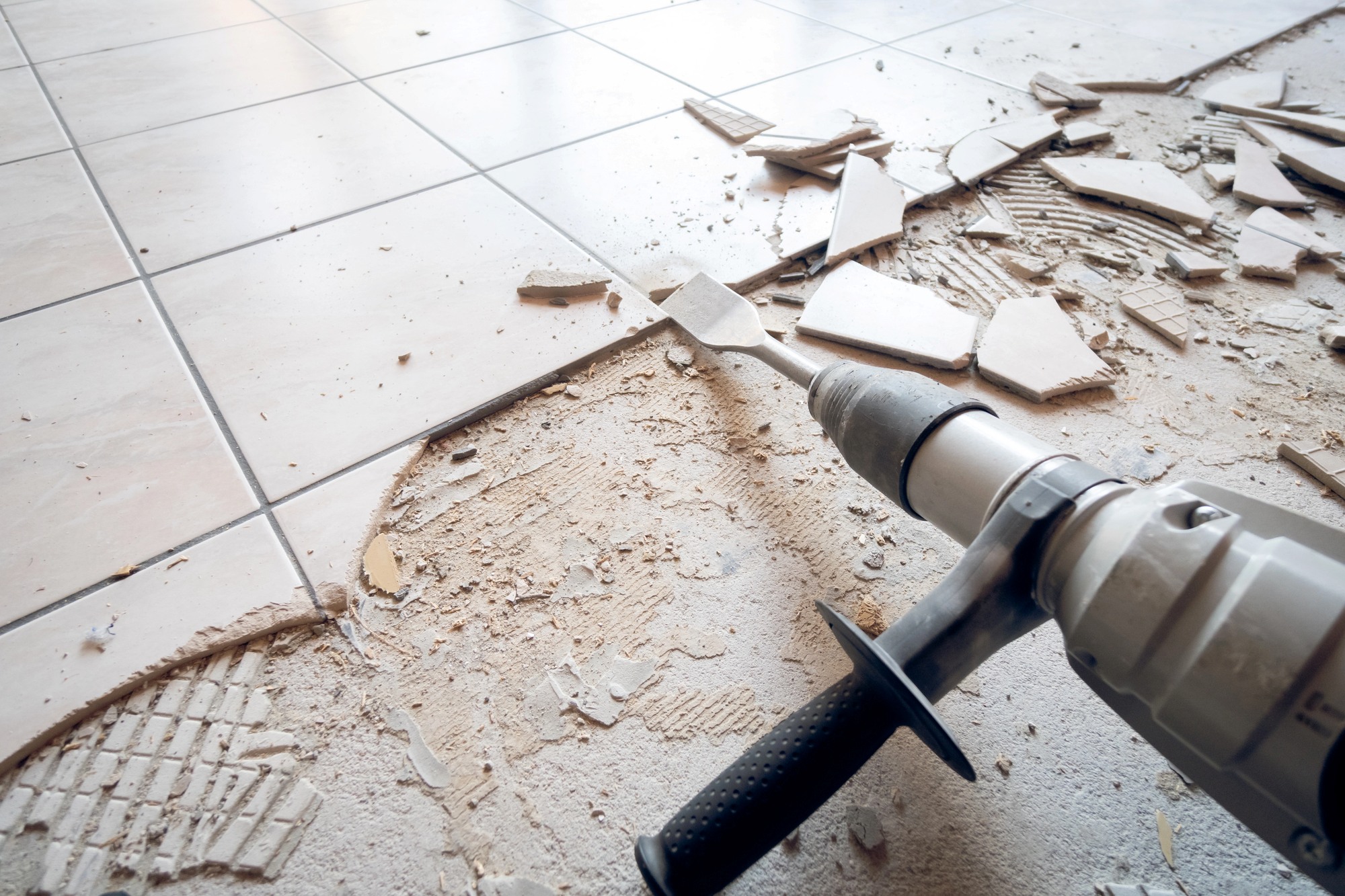
Starting your first home renovation project can be quite an eventful process, one that involves a lot more than decorating. While color schemes and layout deserve your attention, it’s important to spot any possible threats, usually hidden behind those walls and flooring. If not addressed, these problems may seriously affect the homeowner’s health, create legal issues, and cause structural failure that could make the house unsuitable for living in. Here are some safety measures first-time renovators should consider.
Screening for Hazardous Materials
In buildings constructed or renovated before the late 1990s, the most crucial safety test would be to detect any hazardous substances present, including asbestos and lead. Asbestos had been extensively used in the building industry due to its fire-resistant nature and insulation properties up until its total ban in the UK in 1999 and stringent restrictions imposed on its use in the U.S. during the same period.
Neglecting this measure can have a disastrous effect on your health and well-being. Asbestos materials can produce tiny fibers when being sanded, drilled, or demolished. Inhaling these fibers can lead to a number of respiratory issues, including mesothelioma, a rare and aggressive cancer mostly affecting the lining of the lungs.
The problem is that mesothelioma can stay dormant for years before eventually showing up as cancer, and that’s why you need to educate yourself about asbestos exposure. Many online platforms can help in this regard, like Mesothelioma Hope, where you can find informative resources as well as support for finding the right medical and legal experts in case you’re interested in filing a claim.
This means you must practice care when renovating old buildings. It’s vital not to solely depend on visual judgment because asbestos may not look any different from other non-harmful substances. It makes sense to hire a qualified surveyor to conduct a refurbishment and demolition survey to ensure there are no harmful substances, and, if there are, that they are managed and disposed of properly before proceeding with a renovation project.
Verifying Structural Stability

The most common mistake inexperienced renovators make is thinking they can demolish any interior wall to achieve an open-plan layout. That’s not true because there’s always a skeletal framework in a building, which includes load-bearing walls, joists, and beams, responsible for distributing the weight of the roof to the building’s foundations.
Neglecting the structure may lead to problems, such as sagging ceilings, cracked masonry, and even partial or complete collapses in extreme scenarios. Performing any unauthorized work on the structure may also result in a failed inspection by the building authority, making it impossible to sell the house. It always costs more to rectify any existing structural problem than to consult and have proper support installed from the outset.
Ideally, a renovator should seek the help of a licensed and experienced structural engineer before commencing demolition. These experts help identify weight-bearing walls by studying the building’s blueprint and conducting a physical inspection of the property. This way, they can also help identify steel beams or other support systems needed to maintain the building’s stability.
Endnote

Conducting a thorough assessment before starting any renovation work is vital. Although the technical evaluation process might appear to be an extra cost, it’s actually an integral part of building a house that will last for many years and comply with all relevant laws.
0
Related
Read the full article here