







Most articles about home solar focus on the roof and stop there. Understandable, since that’s where the panels sit, but it leaves out a question that matters just as much to anyone who cares about how their home actually looks and feels day to day: what changes inside the house once you make the switch. If you’re weighing up solar as part of a wider move towards a more sustainable home, it’s worth thinking through the interior side before the installers arrive, not after.
The Inverter Needs a Home Too
Every solar installation includes an inverter, the unit that converts the energy your panels generate into something your home can actually use, and it needs to live somewhere. Too often that somewhere ends up being the most visible wall in the utility room or garage, purely because it was the easiest place to run the cabling. A bit of planning at the design stage, working out where that unit can sit tucked away in a cupboard or utility space rather than mounted at eye level, saves you from staring at a grey plastic box every time you go looking for the washing powder.
Battery Storage Changes Your Floor Plan


If you’re pairing panels with a home battery, which more UK homeowners are doing as electricity prices stay unpredictable, you’re adding another piece of equipment that needs proper space. Batteries generate a small amount of heat and need ventilation, which rules out simply squeezing one into an already-tight airing cupboard. Homeowners renovating a home office or converting a garage often find this is the moment to finally sort out a proper utility zone, since the battery gives them a reason to plan the space properly rather than let it stay a dumping ground.
“People plan the panels and completely forget about the box on the wall,” said Andrew Hoesly, who runs operations for solar company SolarTech. “The equipment inside the house is what homeowners actually see every day, long after they’ve stopped noticing the panels on the roof. It’s worth five minutes of planning to make sure it doesn’t end up somewhere awkward.”
Roof Lines and Kerb Appeal

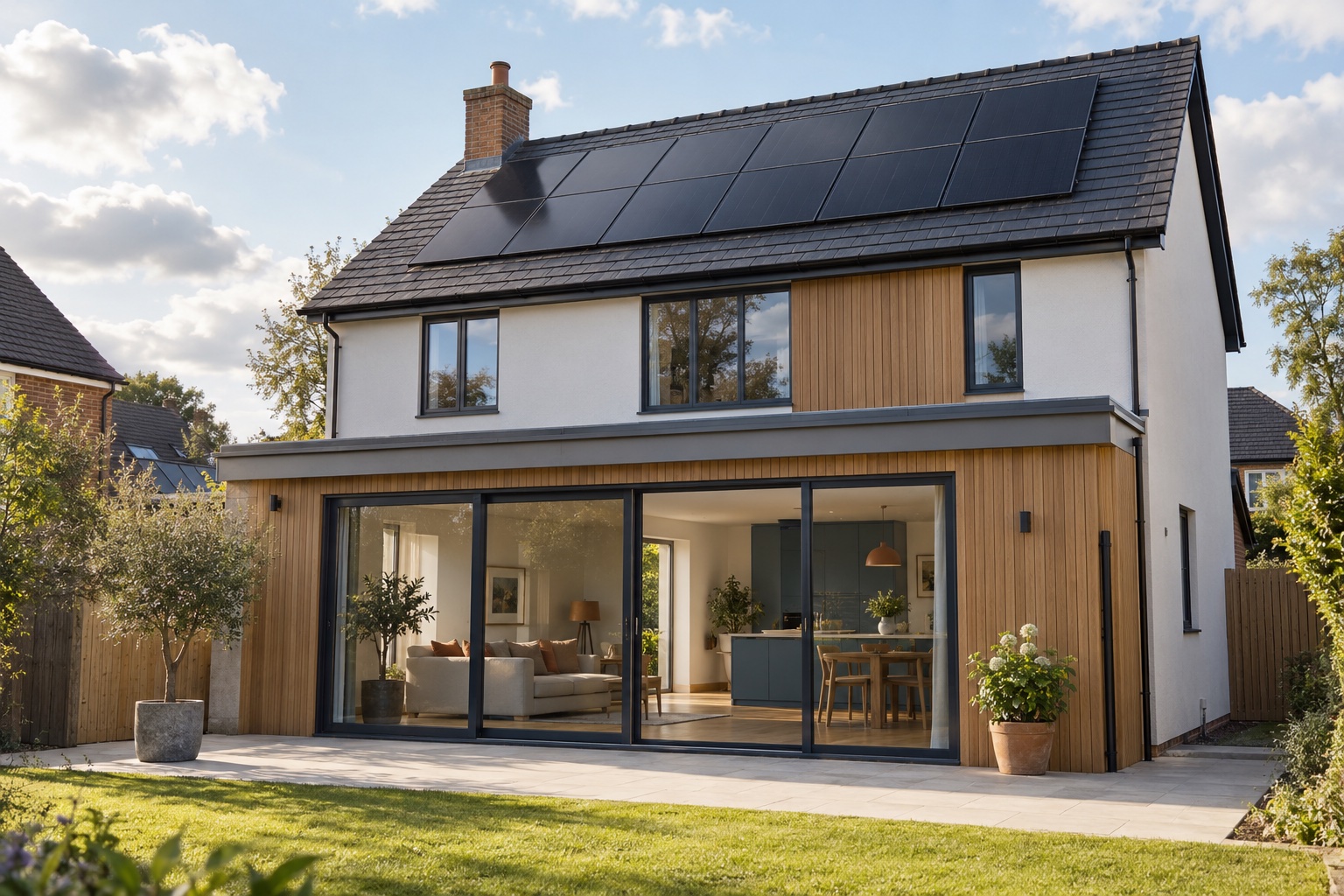
For anyone renovating a period property or working within a conservation area, panel placement is as much a design decision as a technical one. Discreet, low-profile panels laid flush to the roofline read very differently from an obviously bolted-on array, and the difference matters if you’re trying to preserve a period exterior while updating what’s happening beneath it. It’s the same principle that applies to home improvement projects generally: the best updates tend to be the ones that don’t announce themselves.
None of this should put you off. It’s simply worth treating solar as part of the whole-home plan rather than a separate project that happens to your roof. A little forethought about where the equipment lives, and how the panels sit against your roofline, is the difference between a system that blends into a well-designed home and one that always looks like it was added on afterwards.
0
Related
Read the full article here


