




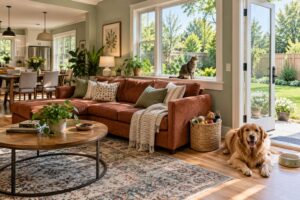


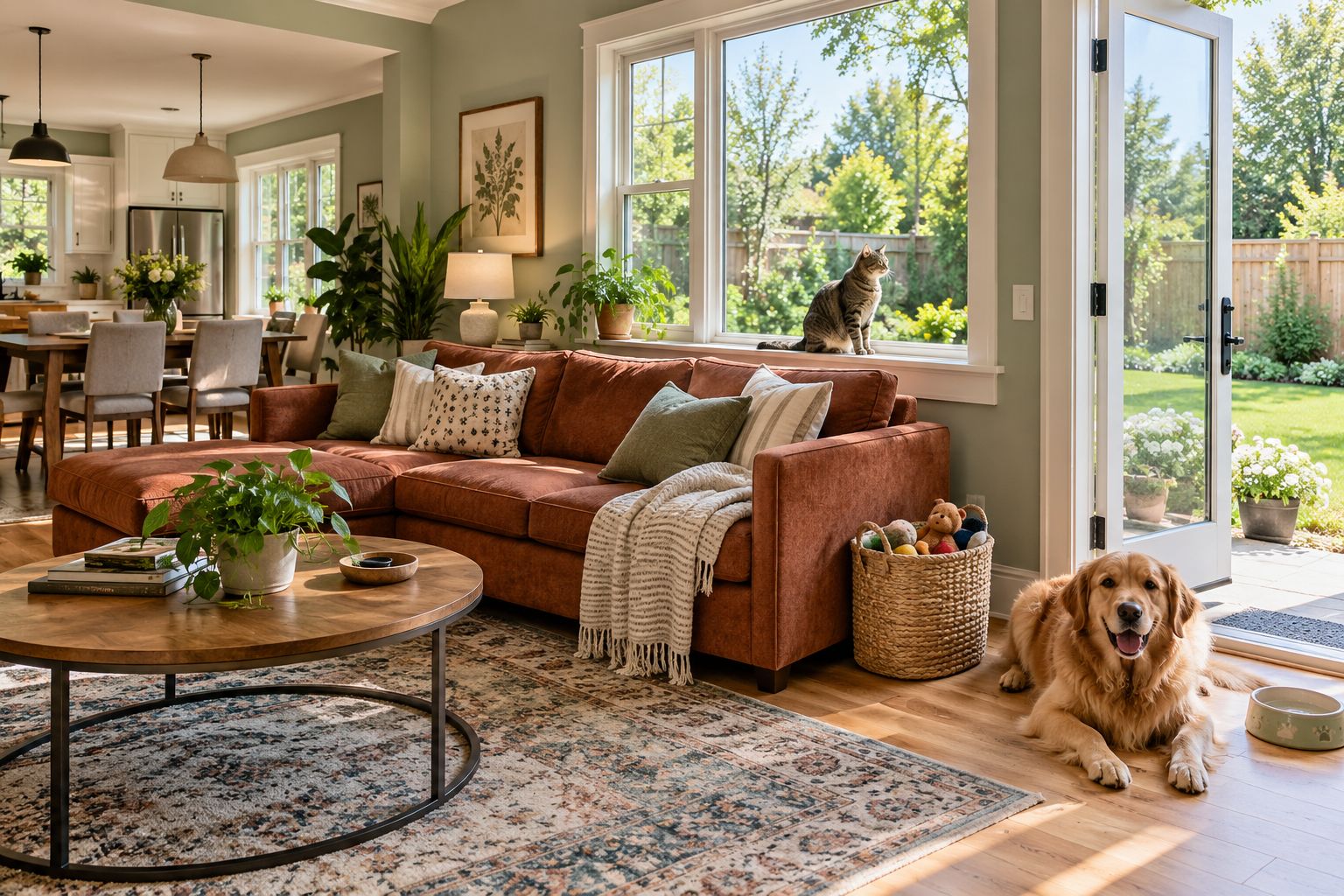
As a pet owner, it’s important to consider your pet’s needs when you’re looking for a suitable living space. A property that works perfectly for one animal may be completely unsuitable for another, so finding a genuinely pet-friendly home involves more than simply looking for a large yard or checking whether pets are permitted.
It can be particularly challenging if suitable homes are hard to come by in the community you’ve chosen. However, thinking carefully about your pet’s everyday routine, safety and future needs can help you narrow down your options. The guide below can help you find a property that works for both you and your pet.
1. Know Your Pet
Before you start searching for a pet-friendly home, take some time to think about your pet’s most important needs. Their size is an obvious consideration, so you may want a property with larger interior spaces if you own a big dog such as a Great Dane. However, size is only one part of the equation.
Think about your pet’s energy levels and normal routine. An active dog that needs several walks a day may benefit more from easy access to parks, trails and open spaces than from an exceptionally large house. An indoor cat, on the other hand, may appreciate sunny windows, quiet areas and enough space for climbing structures and other forms of enrichment.
Age and mobility should also influence your search. An older dog may struggle with steep staircases or slippery floors, while a puppy might make a securely fenced yard a particularly high priority. If you plan to stay in the property for many years, consider how well it could accommodate your pet as they get older.
Temperament matters, too. A nervous dog or cat may be happier on a quiet residential street than in an apartment overlooking a busy road. Pets that are particularly sensitive to noise could also struggle in homes close to railway lines, schools, nightlife or other sources of regular disturbance.
If your pet spends time alone while you’re at work, consider whether the property provides a comfortable, secure place for them during the day. Access to a safe yard, suitable indoor temperatures and a quiet place to sleep can all become important.
Natural light can make a home feel pleasant and welcoming, and some animals enjoy spending time near sunny windows. Properties with skylights or large floor-to-ceiling windows may therefore be appealing.
Finally, make a list of your must-haves and nice-to-haves before you begin viewing properties. A secure yard might be non-negotiable, for example, whereas having a dedicated dog-washing area could simply be a bonus. This makes it easier to compare homes objectively and prevents an attractive property from distracting you from something your pet genuinely needs.
2. Check the Surrounding Area
In addition to the building itself, explore the area and learn about what amenities are around. If you prefer a home with immediate access to beach areas, drive around the neighborhood and look for pet friendly vacation rentals.
Look for benefits such as green spaces for walking, light traffic, and pet stores or veterinary clinics. Nearby grooming services, pet food suppliers and pet daycare centres can also make everyday life much easier. It’s also important to know if the area is walkable, with short commutes to essential places, with lots of conveniently placed waste stations.
Think about your normal routine with your pet, too. Are there pavements and safe walking routes close to the property? Can you reach a park, trail or open space without having to drive? If you have a dog that needs several walks a day, these seemingly small details can make a significant difference.
It is also worth visiting the neighbourhood at different times of day. A peaceful street during a morning viewing may be much busier during the school run or evening commute. Pay attention to traffic, noise, street lighting and the number of other dogs in the area.
If you’re considering an apartment or a property within a managed development, investigate any local rules or restrictions relating to pets. Some developments may limit the number, size or type of pets residents can keep.
3. Always Request a Visit


Before you decide to stop your search and place an offer, reach out to the property’s listing agent and owner and request an in-person visit. Photographs and virtual tours are useful for creating a shortlist, but they don’t always reveal the features that could affect your pet.
When you arrive for the tour, pay attention to the actual size and security of the surrounding lot. Check fences and gates for gaps, damaged sections or areas where a determined dog could dig underneath. Consider whether the outdoor space provides enough shade and whether there is somewhere sheltered for your pet during hot or wet weather.
Look out for potentially hazardous plants, too. Lilies, azaleas and a number of other common garden plants can be toxic to pets and are known to cause kidney failure and diarrhea in cats and dogs. An established garden may require some changes before it’s safe for your pet.
It’s also important to check the property for structural issues, such as loose shingles, exposed wires, leaking pipes and leftover debris from recent renovation work. Inside the home, look for accessible cables, unsafe balconies, poorly secured screens or other places where a curious pet could get into trouble.
Don’t forget to consider noise. Spend a few moments listening for neighbouring dogs, traffic, trains or other persistent sounds. This may be particularly important if your pet is anxious or sensitive to noise.
You may need to talk with the property owner about some of these issues when you sit down and negotiate a deal.
4. Check for Design and Layout Issues
It’s possible to find a listing that looks as though it deserves a higher asking price but isn’t necessarily designed with pet safety or practicality in mind. For instance, the property could have steep staircases that are difficult for small, elderly or less mobile dogs to navigate.
Take a closer look at the flooring, too. Durable, easy-to-clean surfaces can be useful in homes with pets, particularly around entrances and doors leading into the garden. Very slippery flooring, meanwhile, can be difficult for some older animals to walk on comfortably.
Consider the overall layout from your pet’s perspective. Is there a practical place for food and water bowls? Could you create a washing or cleaning area close to the back door? Is there somewhere suitable for storing leads, pet food, towels, toys and grooming supplies?
For cat owners, think vertically as well as horizontally. Window ledges, quiet corners and potential places for climbing or positioning a cat tree can make a home more suitable for an indoor cat.
Check how easily rooms can be separated if necessary. Doors between living spaces can be useful when introducing a new pet, keeping animals away from visitors or temporarily restricting access to particular parts of the house.
Outdoor access deserves particular attention. Ideally, doors should lead to a secure garden or enclosed area rather than opening directly onto a busy road. If the property doesn’t already provide this, factor the cost of fencing, gates or other pet-friendly improvements into your budget.
5. Check Pet Rules and Restrictions

Before making an offer, check whether there are any rules that could affect your ability to keep pets at the property. This is particularly important if you’re buying a condo, townhouse or home within a homeowners’ association (HOA).
Some communities have restrictions on the number of pets you can keep, while others may have rules relating to the size or breed of dogs. There may also be requirements concerning leashes, fencing, outdoor areas and where pets can be exercised.
Don’t assume that a property described as “pet-friendly” automatically meets your needs. Ask to see the relevant HOA or condo association documents and check the wording carefully before committing to the purchase. If you have more than one pet, a large dog or an unusual type of pet, make sure there aren’t any restrictions that could cause problems later.
It is also worth checking local regulations that apply to pet ownership. Depending on where you’re buying, there may be rules concerning licensing, fencing, the number of animals allowed at one property or keeping particular types of animals.
Finally, consider the potential costs associated with making the home compliant with any rules. For example, you might need to replace or extend existing fencing, install a more secure gate or make other alterations to create a safe outdoor space.
6. Think About Cleaning and Everyday Practicality
Pets inevitably bring a little extra mess into a home, so consider how easy the property will be to keep clean.
An entrance close to the yard can be particularly useful for muddy dogs, especially if there is a mudroom, utility room or hard-floor area where paws can be cleaned before your pet enters the main living space.
Look at the flooring throughout the property and consider how it will cope with claws, pet hair, muddy paws and occasional accidents. Durable, washable surfaces are generally easier to live with than delicate flooring or extensive areas of pale carpet.
Storage matters, too. A cupboard or dedicated area near the entrance can provide somewhere convenient for leads, coats, towels, toys, food and other pet supplies without allowing them to take over the rest of the house.
7. Ask a Realtor
When in doubt, it’s always a good idea to work with a local real estate professional who may have a few pet-friendly properties in mind that fit your budget. With their help, you may access off-market properties that match your needs and are located in neighbourhoods that feature the right amenities.
Be specific about what “pet-friendly” means to you. Rather than simply saying you have a dog or cat, explain the features you consider essential. These might include a fenced yard, a quiet street, hard-wearing floors, a mudroom, nearby walking trails or a home without numerous steep stairs.
A local agent may also be able to alert you to homeowners’ association, condominium or community rules that affect pet ownership. However, it’s sensible to verify important restrictions yourself before making an offer rather than relying solely on information contained in a property listing.
Finally, don’t allow attractive pet-friendly features to distract you from the fundamentals of buying a home. The property still needs to suit your budget, lifestyle and longer-term plans. A large fenced yard is a bonus, but it shouldn’t outweigh serious structural problems, an unsuitable location or unaffordable ongoing costs.
8. Budget for Pet-Friendly Changes

Make a list of any alterations you would need to make before your pet could safely move into the property.
These might include replacing fencing, securing gates, removing toxic plants, changing unsuitable flooring, installing screens, adding stair gates or creating a shaded outdoor area.
Individually, these improvements may seem relatively minor, but the costs can quickly add up. Include them in your overall home-buying budget rather than discovering after completion that your seemingly pet-friendly property requires significant additional work.
If the changes are substantial, you may even want to obtain estimates before making your final decision. This will give you a much clearer idea of what the property will really cost to make suitable for both you and your pet.
9. Consider Your Neighbours
The immediate neighbours can make a surprising difference to how pet-friendly a home feels.
During a viewing, look at how close neighbouring properties are and whether gardens share boundaries. Nearby dogs could be a consideration if your own pet is reactive or easily stressed.
Noise can work both ways. If your dog occasionally barks, a detached property or home with more space between neighbours may be easier to manage than an apartment with adjoining walls.
You don’t necessarily need a neighbourhood full of pet owners, but understanding the immediate environment can help you judge whether your pet is likely to settle comfortably.
Endnote
Finding the right home as a pet owner involves looking beyond the number of bedrooms, size of the kitchen and overall appearance of a property. Think about how you and your pet will actually use the home every day, from morning walks and outdoor access to flooring, storage and safety.
A property doesn’t necessarily need to be perfectly pet-friendly when you buy it. Many issues can be improved with secure fencing, more durable flooring, better storage or changes to the garden. The key is knowing what will need to be changed — and how much it is likely to cost — before you make your decision.
By considering both your own needs and those of your pet, you’ll be in a much better position to choose a home that works for everyone.
0
Related
Read the full article here


