


Your bathroom has no windows, your bedroom faces an alley, and that corner by the bookshelf gets about as much light as a cave.
You want plants. Real ones. Not plastic imitations that scream “I gave up.” But every time you try, they turn yellow, drop leaves, or just slowly fade into botanical sadness. The problem is not you. The problem is you have been choosing sun-hungry plants for shade-loving spaces.
Low light does not mean no plants. It means choosing the right ones for your indoor spaces. Some plants evolved under rainforest canopies where indirect sunlight is a rare luxury. They are built for shadows. They thrive in gloom. And they will turn your darkest corners into the greenest parts of your home.
In this article, we’re looking at exactly which plants survive where others die, how to care for them, and what mistakes to avoid so they actually thrive.
What Low Light Actually Means
Most people think low light means “kind of dim.” That vagueness kills plants faster than anything else. Low light has a specific definition, and understanding it determines whether your plant lives or slowly withers into a brown stick you water out of guilt.
Low light means a space that gets indirect light or is several feet away from a window. It is a room with north-facing windows, a bathroom with frosted glass, or a corner that never sees direct sun. If you can comfortably read a book without turning on a lamp during the day, that is low light. If you need a lamp by noon, that is very low light, and your plant options narrow significantly.
Here is what matters most:
- Duration matters more than intensity. A plant in consistent dim light all day will outperform one that gets two hours of weak sun and then sits in darkness. Consistency beats bursts.
- Distance from windows changes everything. A plant five feet from a window gets exponentially less light than one two feet away. Every foot matters. Move a struggling plant just three feet closer and watch it perk up within a week.
- Artificial light counts, but only if it is the right kind. Standard LED bulbs help a little. Full-spectrum grow lights actually work. If your space is truly dark all day, you will need supplemental lighting unless you stick to the toughest plants on this list.
If you are guessing about your light levels, you are setting yourself up for failure. Know your space before you pick your plant.
The Toughest Low Light Champions
Some plants tolerate low light. Others were engineered by nature to dominate in darkness. These are the unkillable and easiest indoor plants, the varieties that laugh at dim rooms and thrive anyway.
Snake Plant (Sansevieria) – The plant that refuses to die no matter how much you neglect it. It tolerates low light, irregular watering, and dry air. The only thing that kills it is overwatering. If you forget it exists for two weeks, it will be fine. If you drown it weekly, it will rot. Water every 2-3 weeks and ignore it otherwise.
Pothos (Epipremnum aureum) – This vining beauty grows in office fluorescent lighting and forgotten corners. It trails beautifully from shelves, tolerates inconsistent watering, and actually signals when it needs water by drooping slightly. The leaves will be smaller and less variegated in very low light, but it will still grow. Water when the top two inches of soil feel dry.
ZZ Plant (Zamioculcas zamiifolia) – Thick, waxy leaves store water like a camel stores fat. This plant can go a month without water and still look glossy and full. It grows slowly in low light, but it grows. The rhizomes underground hold reserves that keep it alive through neglect. Water once a month and let it do its thing.
Cast Iron Plant (Aspidistra elatior) – The name tells you everything. This plant survived Victorian parlors with coal dust and gas lamps. Your dim living room is a luxury resort by comparison. It grows slowly, tolerates temperature swings, and handles dry soil better than wet. Water every 1-2 weeks and enjoy the deep green foliage
Philodendron (Heartleaf variety) – Another vining option that thrives in shade. It grows faster than Pothos in the same conditions and tolerates lower humidity. The heart-shaped leaves stay vibrant even in dim corners. Pinch back the vines to encourage bushier growth. Water when the soil is mostly dry.
These five easy-care favorites are your starting lineup of beautiful plants that thrive in lower light conditions, thanks to their low maintenance requirements. If you can kill one of these low light indoor plants, the problem is likely to be overwatering, not light.
Best Plant Choices for Style and Variety

Once you have mastered the basics, there are more indoor houseplants that can be used to add visual interest to a dark room or a cozy corner without demanding more adequate light. They are all a good choice and bring texture, height, and variety to spaces that would otherwise stay empty.
Dracaena (multiple varieties) – Tall, architectural, and absurdly tolerant of neglect. The leaves grow in spiky clusters atop woody stems, adding height without taking up floor space. Some varieties have striped leaves, others are solid green. All of them handle low light and infrequent watering. Watch for brown tips, which mean either tap water with too much fluoride or inconsistent watering.
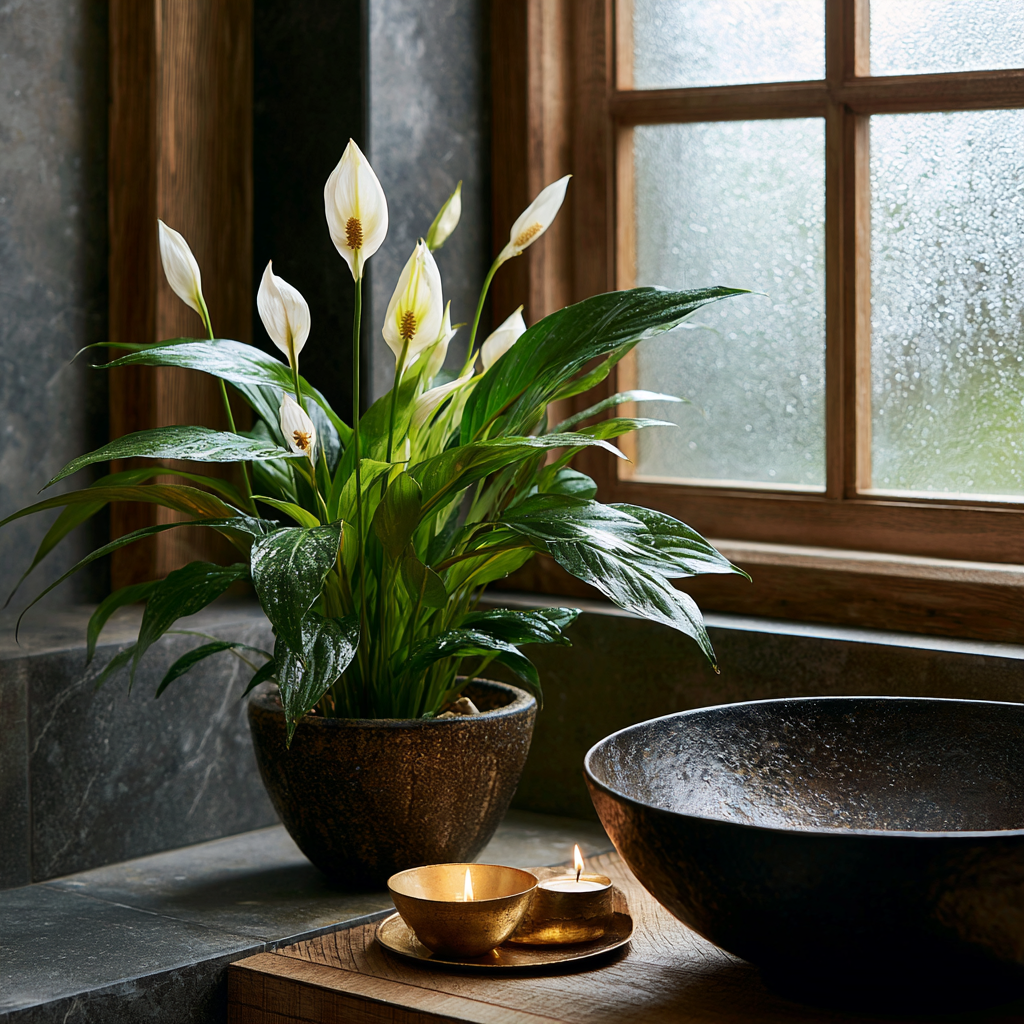
Peace Lily (Spathiphyllum) – One of the few low-light plants that actually flowers. The white blooms appear even in dim conditions, though less frequently than in bright indirect light. The plant dramatically wilts when it needs water, then perks up within hours of watering. It is a clear communicator, which makes it beginner-friendly despite being slightly more particular than others on this list.
Chinese Evergreen (Aglaonema) – Variegated leaves in shades of green, silver, pink, and red depending on the variety. This plant grows slowly in low light areas but stays colorful and full. It tolerates inconsistent watering better than most and actually prefers to dry out slightly between waterings. Wipe the leaves monthly to keep them dust-free and vibrant.
Parlor Palm (Chamaedorea elegans) – A true palm that grows in shade. Most palms need bright light, but this one evolved on rainforest floors under dense canopy cover. It brings a tropical feel to dark spaces without the high-maintenance drama of other palms. Keep the soil slightly moist and mist occasionally if your home is very dry.
Each of these adds something different. Mix them to create depth and variety without increasing your care workload.
Watering Rules That Keep Plants In Low-Light Rooms Alive

Overwatering kills more low-light plants than anything else, and the reason is simple: plants in low light photosynthesize slower, which means they use less water. If you water on the same schedule as a plant in bright light, you are drowning it.
Check the soil, not the calendar. Stick your finger two inches into the soil. If it is dry, water. If it is damp, wait. A plant in a dark corner might need water every two weeks. The same plant in a brighter spot might need it weekly. Let the plant tell you.
Water thoroughly, then wait. When you do water, saturate the soil until water runs out the drainage holes. This ensures the entire root ball gets moisture. Then do not water again until the top two inches are dry. Shallow, frequent watering creates weak roots and encourages root rot.
Use pots with drainage holes. Non-negotiable. Sitting water at the bottom of a pot is a death sentence in low light. If you love a decorative pot without drainage, use it as a cover pot. Keep the plant in a plastic nursery pot inside it, and remove it to water.
Adjust for seasons. Plants use even less water in winter when growth slows. If you watered every ten days in summer, you might go three weeks in winter. Pay attention to how quickly the soil dries rather than sticking to a rigid schedule.
Watering is where most people fail. Master this and your happy houseplants will thrive.
Common Mistakes That Kill Low Light Plants
Even the toughest low light houseplants die when you make these errors. The good news is that most of them are fixable once you know what to look for.
- Overwatering in the name of care. You think you are helping. You are drowning them. Yellow leaves, mushy stems, and a swampy smell mean too much water. Pull back immediately and let the soil dry out completely before watering again.
- Putting them in actually dark rooms. Low light is not no light. A windowless basement or a closet will not work unless you add grow lights. Even the toughest plants need some light to photosynthesize. If you cannot read comfortably during the day without a lamp, add supplemental lighting.
- Using soil that stays soggy. Heavy, dense potting mix holds water too long in low light conditions. Use a well-draining mix designed for houseplants, or add perlite to standard potting soil to increase good drainage. The soil should feel light and airy, not thick and clumpy.
- Ignoring pest problems until it is too late. Low light does not prevent pests. Spider mites, mealybugs, and fungus gnats all thrive on neglected plants. Inspect your plants monthly. Wipe down leaves. Catch problems early before they spread.
- Expecting fast growth. Plants in low light grow slowly. That is normal. If your Pothos puts out two new leaves a month instead of one per week, that is fine. Slow growth is not a problem. No growth combined with yellowing leaves is.
Avoid these mistake and your plants should live for years in low-light conditions with minimal intervention.
How to Know If Your Plant Is Actually Happy

Plants communicate clearly if you know what to look for. These signs tell you whether your low-light setup is working or needs adjustment.
New growth means success. Even if it is slow, new leaves or shoots mean the plant is getting what it needs. The growth might be smaller or less vibrant than in bright light, but consistent healthy growth is the ultimate green flag.
Leggy, stretched stems mean not enough light. If your plant is reaching desperately toward the window with long gaps between leaves, it needs more light. Move it closer to a window or add a grow light. This is one of the few times more light actually helps a low-light plant.
Yellowing lower leaves are usually natural. Older leaves die off as the plant grows. One or two yellow leaves near the base is normal. Multiple yellow leaves appearing rapidly, especially new growth, signals overwatering or a pest issue.
Crispy brown tips mean inconsistent watering or low humidity. If the rest of the plant looks healthy but the tips are brown, you are either letting it dry out too much between waterings or your air is very dry. Increase humidity slightly or water a bit more frequently.
Stable is good enough. A plant that looks the same month after month in little light is doing fine. It does not need to explode with growth to be healthy. Stability without decline is a win.
Your goal is not Instagram-worthy growth. Your goal is a living plant that stays green and does not die. These signs tell you if you are winning with your collection of low light plants.
Troubleshooting When Things Go Wrong

Even the best low-light houseplants struggle sometimes. Here is how to diagnose and fix the most common problems before they become fatal.
Yellowing leaves with soft, mushy stems: Root rot from overwatering. Stop watering immediately. Remove the plant from the pot and inspect the roots. Healthy roots are white or light tan and firm. Rotted roots are brown, black, and mushy. Cut away rotted roots with clean scissors, repot in fresh dry soil, and do not water for at least a week.
Leaves turning pale or losing variegation: Not enough light, even for a low-light plant. Move it closer to a window or add a small grow light. The plant is surviving but not thriving. More light will restore color and vibrancy.
Sudden leaf drop: Shock from a sudden change in temperature, light, or watering. Plants hate surprises. If you just moved it, brought it home from the store, or changed your watering schedule drastically, give it two weeks to adjust. Keep conditions stable and it will likely recover.
White fuzzy spots on leaves or stems: Mealybugs. Wipe them off with a cotton swab dipped in rubbing alcohol. Inspect the whole plant and treat any you find. Check neighboring plants because mealybugs spread quickly.
Tiny flies around the soil: Fungus gnats from overwatering. Let the soil dry out completely between waterings. The gnats lay eggs in wet soil, so breaking the moisture cycle kills the population. You can also top the soil with a layer of sand to prevent them from laying eggs.
Most problems are fixable if you catch them early. Inspect your plants weekly and you will see issues before they kill the plant.
Final Thoughts
Low-light plants are not fragile. They are tough survivors built for conditions that would kill their sun-loving cousins. Give these tolerant indoor plants the basics, avoid the common mistakes, and they will turn your darkest spaces into the greenest parts of your home without drama or daily maintenance.
The difference between a thriving low-light plant and a dying one comes down to understanding what low light actually means, choosing plants that are built for it, and watering based on what the plant needs rather than what the calendar says. Get those three things right and even the darkest corner becomes a place where green things grow.
Related Houseplant Posts
Umbrella Plant Care Guide: How To Keep Them Thriving
What Plant Should I Buy?
Indoor Plant Stands for Multiple Plants
Housewarming Plant Gifts: Best Plants for New Homes
0
Related
Read the full article here