


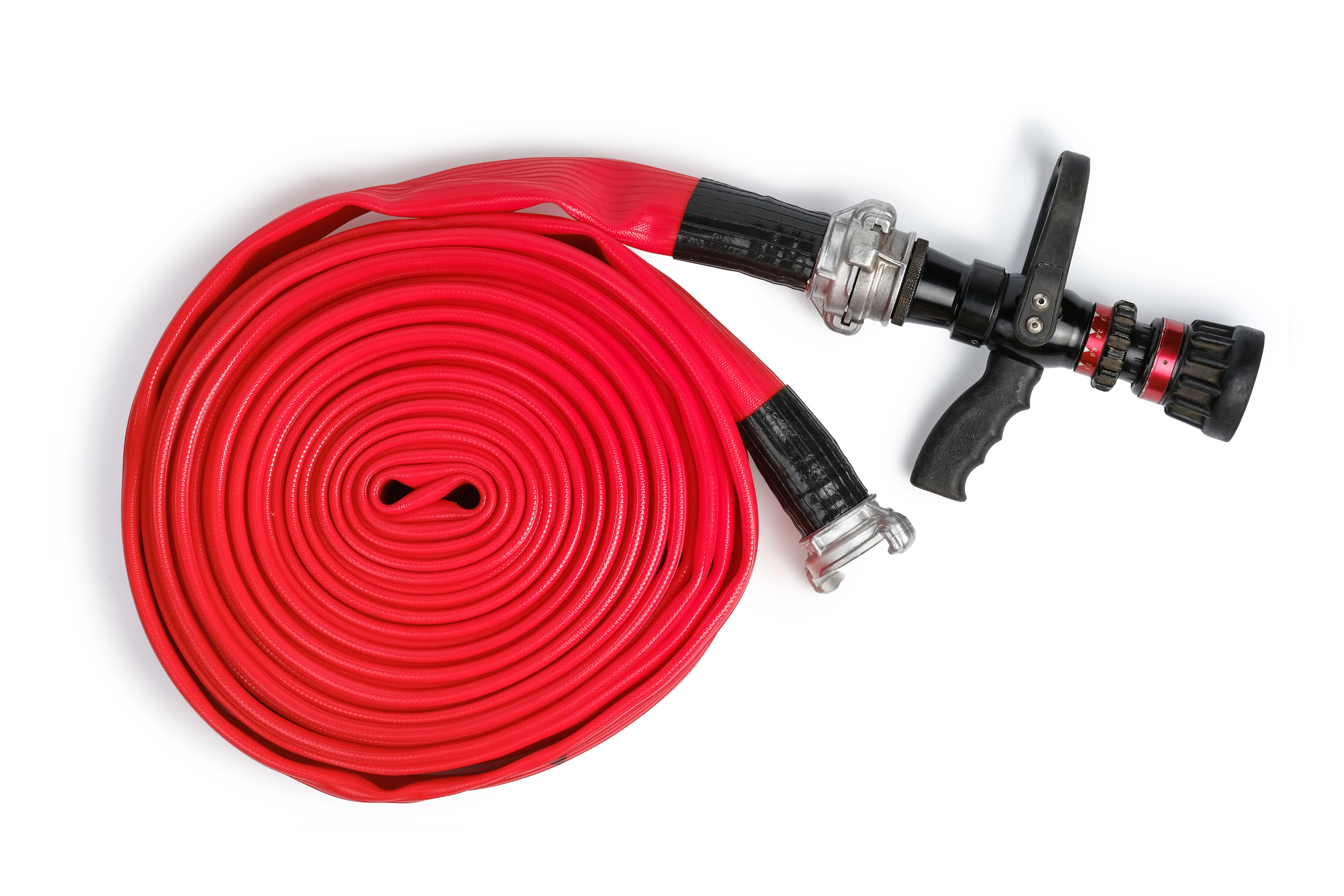
Your water pump is only as effective as the hose connected to it. Pick the wrong hose, and you’re looking at pressure drops, leaks, equipment damage, or a pump that simply can’t do its job. Yet most people spend hours researching the pump itself and give almost no thought to the hose. That’s a mistake that shows up fast, usually at the worst possible moment. This guide breaks down exactly what you need to know to choose the right hose for your water pump, from understanding hose types to matching materials, fittings, and pressure ratings to your specific setup.
Why the Right Hose Makes or Breaks Your Water Pump’s Performance
A water pump generates pressure and flow, but the hose is what carries that force to where it needs to go. If the hose can’t handle the pressure, it collapses, bursts, or leaks. If the diameter is wrong, it chokes the pump’s output and forces the motor to work harder than it should. Over time, that kind of strain shortens equipment life and drives up energy costs.
For water transfer pump hoses specifically, the fit between the hose and the pump specification should be based on pressure rating, flow rate, diameter, and the distance the water needs to travel. When these details match correctly, the pump can move water efficiently without losing pressure or putting extra stress on the system.
The right hose keeps water moving efficiently, protects your pump from overload, and holds up under the conditions of your specific application. Get it right, and the whole system runs quietly and reliably. Get it wrong, and you’ll be troubleshooting problems that trace back to a $30 component.
Types of Water Pump Hoses and When to Use Each
Not every hose is built for every job. The first step in choosing correctly is understanding the basic categories and what they’re designed to do.
Suction Hoses vs. Discharge Hoses
Suction hoses pull water toward the pump. Because they operate under negative pressure, they need to be rigid enough to resist collapsing inward. Most suction hoses have a spiral reinforcement built into the wall to hold their shape even under vacuum conditions. Without that structure, the hose walls crush under suction pressure and cut off flow entirely.
Discharge hoses, by contrast, push water away from the pump under positive pressure. They don’t need the same anti-collapse structure, but they do need to withstand the outward force of pressurized water. These hoses tend to be more flexible than suction hoses, which makes them easier to route across uneven terrain or around obstacles.
Using a discharge hose on the suction side is one of the most common installation errors. It may look fine initially, but it will collapse under load. Always check the label or product spec before connecting.
Choosing a Hose by Pump Type: Submersible, Deep Well, and Dirty Water
Different pump types place different demands on hoses. Submersible pumps sit underwater and typically connect to rigid or semi-rigid drop pipes rather than flexible hoses, though flexible sections are sometimes used at connection points. The hose must tolerate continuous submersion without degrading.
Deep well pumps move water over long vertical distances, which means pressure builds significantly along the line. You need hoses rated for higher pressure, and the material must resist stress from sustained load without cracking or stretching.
Dirty water pumps handle water that contains debris, silt, or solids. The hose in this application needs abrasion resistance, both internally from particles passing through and externally from contact with rough ground or gravel. A smooth-bore interior helps solids pass through without buildup, while a reinforced outer layer protects the hose body.
Key Factors to Consider When Selecting a Pump Hose

Once you understand hose types, the next step is narrowing down the right spec for your application. Several technical factors deserve your attention before you make a final choice.
Diameter, Length, and Pressure Rating
Diameter directly affects flow rate. A hose that’s too narrow for your pump creates a bottleneck and reduces output. In general, your hose diameter should match or slightly exceed the pump’s inlet and outlet port size. Going significantly larger doesn’t help much and adds unnecessary bulk: going smaller kills performance.
Length matters because every additional foot of hose adds friction loss. Longer hose runs reduce flow at the delivery end, so account for that in your calculations. If you need a long run, a slightly larger diameter can compensate for the friction drop.
Pressure rating tells you how much internal force the hose can handle before it fails. Always check your pump’s maximum output pressure and confirm the hose’s working pressure rating exceeds it. A safe margin of 20 to 30 percent above the pump’s maximum is a reasonable standard to follow.
Material Compatibility, Temperature Range, and Environmental Conditions
Hose material determines how well it holds up to whatever it carries and wherever it operates. PVC hoses are lightweight and affordable, which makes them a good fit for clean water applications in moderate temperatures. But, PVC can become brittle in cold weather and may soften in high heat.
Rubber hoses offer better flexibility across a wider temperature range and handle chemicals and fuels better than PVC. If you’re pumping hot water or operating in an area with extreme temperatures, rubber is usually the better choice.
For outdoor or agricultural use, UV resistance is worth considering. Some hoses degrade quickly under prolonged sun exposure and develop cracks that aren’t visible until a failure happens. Checking the product’s UV rating before you buy prevents that kind of unpleasant surprise.
Fittings, Connections, and Reinforcement Types

Even the best hose fails if the fittings don’t seal correctly or the reinforcement doesn’t match the load. Fittings are the points where hoses connect to pumps, pipes, and other components, and they’re responsible for a large percentage of leaks and pressure losses in poorly assembled systems.
Brass fittings are the standard for most water pump applications. They resist corrosion well, hold up under pressure, and create tight, long-lasting seals. Plastic fittings cost less and work fine for light-duty or temporary setups, but they’re prone to cracking under stress or UV exposure and shouldn’t be used in high-pressure or permanent installations.
Hose clamps are a simple but important part of the connection. A properly tightened stainless steel clamp keeps the hose seated firmly on the fitting under pressure. Check clamps regularly, especially after the first few uses, since hoses tend to compress slightly and may loosen the seal over time.
Reinforcement within the hose body determines how it handles internal pressure and external abuse. Spiral reinforcement (the rigid coil inside suction hoses) prevents collapse. Braided reinforcement, where fibers run in a crossed pattern through the hose wall, handles burst pressure better and is common in higher-pressure discharge applications. Layered construction, with multiple bonded materials, offers the best combination of flexibility and strength for demanding environments.
Match the reinforcement type to the application. A braided high-pressure hose on a low-flow utility pump is overkill. A plain-wall hose on a high-output system is a liability. Take a few minutes to read the product specs rather than grabbing whatever fits the thread size.
Conclusion
Choosing the right hose for your water pump isn’t complicated, but it does require attention to the details most people overlook. Match the hose type to your pump, get the diameter and pressure rating right, choose a material suited to your conditions, and use fittings that seal properly. Do those four things, and your pump system will perform the way it was designed to. Skip any one of them, and you’ll find out exactly which part you should have checked first.
0
Related
Read the full article here